A guide to Optimizing Your Bedroom for Sleep
Sleep is the foundational pillar of human health, cognitive performance, and emotional resilience. Yet, in our modern, always-on society, true restorative sleep remains elusive for millions. While the medical community frequently emphasizes the importance of a consistent sleep schedule and dietary considerations, one of the most chronically overlooked aspects of sleep hygiene is the physical environment in which we attempt to rest. Your bedroom is not merely a space containing a bed; it is an active variable in the complex physiological equation of sleep. Optimizing this space requires a scientific approach, viewing the bedroom as an engineered sleep sanctuary.
In this comprehensive, pillar guide, we will deconstruct the bedroom environment into its core scientific components: light, temperature, sound, air quality, and tactile feedback. By understanding the neurobiology and physiology underlying how our bodies interact with these elements, you will be equipped to transform your bedroom from a simple resting place into a scientifically optimized recovery chamber. Prepare to look closely at the mechanics of the circadian rhythm, thermoregulation, auditory processing during sleep, and the profound impact of air composition on your nightly restoration.
Part 1: The Neuroscience of Sleep and Your Environment
To understand why the bedroom environment is so critical, we must first examine the biological mechanisms that govern sleep. Sleep is not a passive state where the brain simply "turns off." Rather, it is a highly active, orchestrated sequence of neurological and physiological events.
The Circadian Rhythm and Environmental Cues
At the core of our sleep-wake cycle lies the circadian rhythm, an internal 24-hour biological clock governed by the suprachiasmatic nucleus (SCN) located in the hypothalamus. The SCN is the master conductor of your body's physiological symphony, dictating the release of hormones, fluctuations in core body temperature, and shifts in metabolic rate. However, the SCN does not operate in a vacuum; it relies heavily on external environmental cues, known as zeitgebers (German for "time givers"), to stay synchronized with the Earth's 24-hour rotation.
The most potent of these zeitgebers is light. When light enters the eye, it strikes specialized photoreceptors in the retina known as intrinsically photosensitive retinal ganglion cells (ipRGCs). These cells contain a photopigment called melanopsin, which is particularly sensitive to short-wavelength (blue) light. Upon activation, ipRGCs send signals directly to the SCN, communicating that it is daytime. The SCN then suppresses the pineal gland's production of melatonin, the "hormone of darkness," keeping us alert and awake.
Conversely, as ambient light diminishes, the SCN signals the pineal gland to initiate melatonin synthesis, promoting drowsiness and preparing the body for sleep. This delicate neuroendocrine feedback loop demonstrates exactly why your bedroom's lighting environment is paramount. Even brief exposures to artificial light during the night can significantly disrupt melatonin production, leading to fragmented sleep architecture and reduced time spent in restorative deep sleep (slow-wave sleep) and REM sleep.
Thermoregulation and Sleep Architecture
Beyond light, temperature is the second most critical environmental factor influencing sleep. The human body undergoes a highly predictable thermoregulatory cycle every 24 hours. As bedtime approaches, your core body temperature naturally begins to drop—a necessary physiological prerequisite for sleep onset. This cooling process is facilitated by vasodilation in the distal extremities (hands and feet), which allows heat to dissipate from the body's core into the surrounding environment.
During sleep, your body's ability to thermoregulate changes. In non-REM sleep, the body actively attempts to maintain a lower core temperature. However, during REM sleep, thermoregulation becomes significantly impaired, rendering the body highly susceptible to ambient temperature fluctuations. If your bedroom is too warm, the body struggles to shed excess heat, leading to increased awakenings, restlessness, and a pronounced reduction in both deep and REM sleep. Thus, the ambient temperature of your bedroom acts as a crucial thermal signal, either supporting or actively hindering your body's natural sleep-promoting mechanisms.
Part 2: Mastering Light: The Enemy of Melatonin
The modern bedroom is under constant assault from artificial light. Streetlights leaking through window blinds, the standby lights of electronic devices, and the glare of smartphones collectively create an environment that our evolutionary biology interprets as daytime. To achieve optimal sleep, your bedroom must be aggressively engineered for darkness.
The Science of Light and Sleep Disruption
As previously mentioned, the melanopsin receptors in our eyes are exquisitely sensitive to light, particularly in the blue and green spectrums (approximately 450-550 nanometers). This sensitivity evolved as an elegant mechanism to synchronize our internal clocks with the rising and setting of the sun. However, the proliferation of LED lighting and digital screens has decoupled our light exposure from the natural solar cycle.
Research has demonstrated that even dim ambient light—such as a streetlamp illuminating a bedroom through sheer curtains—can suppress melatonin production by up to 50%. This suppression not only delays sleep onset but also alters the very architecture of our sleep. Individuals sleeping in environments with elevated ambient light experience more frequent micro-arousals and spend significantly less time in the crucial restorative stages of sleep. Furthermore, chronic exposure to light at night has been epidemiologically linked to a myriad of health issues, including metabolic dysfunction, cardiovascular disease, and impaired cognitive function.
Strategies for Achieving a Pitch-Black Room
Creating a truly dark sleeping environment requires a systematic approach to eliminating all sources of unwanted photons.
First and foremost, address external light pollution. Standard window treatments are woefully inadequate for this task. To effectively block external light, you must employ high-quality blackout curtains. When installing blackout curtains, ensure they extend beyond the edges of the window frame and ideally reach the floor, minimizing light leakage around the perimeters. Some individuals may benefit from the combined use of a sleep mask for an additional layer of optical defense, though curtains are superior for ambient control. For a detailed comparison of these two approaches, consider our guide on blackout curtains vs. sleep masks.
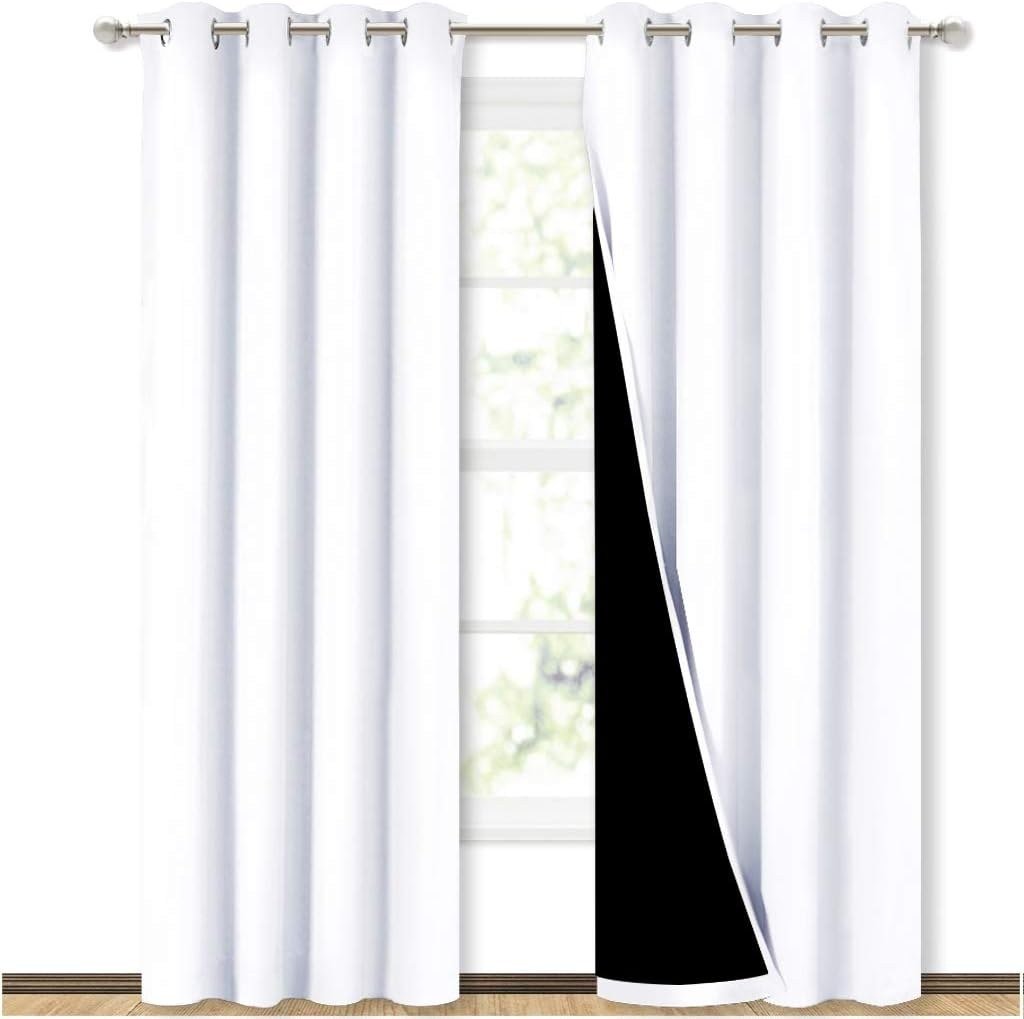
NICETOWN 100% Blackout Curtain Panels — 52 x 84 Inches, Set of 2
NICETOWN's 100% blackout panels are grommet-top curtains with a light-blocking back that darkens a bedroom rather than one pair of eyes. They suit early risers, shift workers and anyone who shares a bed with a mask-hater. The trade-off is installation: without a wraparound rod or side channels, light leaks at the edges and a mask may still be needed for total darkness.
Once external light is neutralized, you must systematically eliminate internal light sources. This process, often referred to as "light mitigation," involves auditing your bedroom for any device that emits a glow. - Electronic Devices: Remove televisions, computers, and glowing alarm clocks from the bedroom. If removal is not possible, utilize electrical tape or specialized light-dimming stickers to cover standby LEDs. - Smartphones: The smartphone is arguably the most destructive device to sleep quality. Not only does it emit high-intensity blue light, but it also serves as a potent source of cognitive stimulation. The bedroom should be a device-free zone. If you must use your phone as an alarm, place it face-down across the room, forcing you to get out of bed to silence it and removing the temptation to scroll in the dark. - Nightlights: If you require illumination for nighttime bathroom visits, install motion-activated nightlights with red or amber bulbs. Red light (longer wavelengths, around 650-700 nanometers) has a negligible effect on melanopsin receptors and will not suppress melatonin production.
Part 3: Thermoregulation: Engineering the Perfect Climate
We have established that a drop in core body temperature is an absolute biological requirement for transitioning into and maintaining deep sleep. The ambient temperature of your bedroom must facilitate this thermal dump.
The Physiology of Sleep and Temperature
The relationship between sleep and temperature is regulated by the preoptic area of the hypothalamus, which acts as the body's central thermostat. As the evening progresses, this area triggers a deliberate cooling process. The blood vessels in your skin dilate, allowing warm blood to flow from your core to the surface, where the heat is lost to the surrounding air. This is why a warm bath 90 minutes before bed can paradoxically aid sleep: it rapidly brings blood to the surface of the skin, causing a subsequent, precipitous drop in core temperature once you exit the tub.
However, once you are asleep, the ambient temperature of your room dictates whether you can maintain this cooler state. If the room is too warm, your body must employ active cooling mechanisms, such as sweating, which disrupt sleep continuity. Furthermore, as you enter REM sleep, your body largely abandons active thermoregulation, making you essentially poikilothermic (cold-blooded). In this vulnerable state, an improperly calibrated room temperature will severely fragment your REM cycles, leading to cognitive fatigue and emotional dysregulation the following day.
Establishing the Optimal Ambient Temperature
Sleep scientists generally agree that the optimal ambient temperature for human sleep falls within a surprisingly narrow and cool range: roughly 60°F to 67°F (15.5°C to 19.5°C). This temperature is significantly cooler than most people keep their homes during waking hours. The exact ideal temperature within this range varies slightly based on individual physiology, age, and bedding choices, but prioritizing a cooler environment is universally beneficial. For a more comprehensive breakdown of how to find your specific optimal temperature, explore our ultimate bedroom temperature guide.
Microclimate Control: Advanced Thermoregulation
While adjusting the ambient room temperature via a central HVAC system or a window air conditioning unit is essential, true optimization requires managing the "microclimate"—the space directly beneath your covers, trapped between your body and the mattress.
Traditional memory foam mattresses, while offering excellent pressure relief, are notorious for retaining body heat, creating a localized thermal trap that actively works against the body's need to cool down. This is where active cooling technologies become transformative. Advanced sleep systems now allow for precise control of the mattress surface temperature, actively circulating cooled water or air to draw heat away from the body throughout the night. By dynamically managing this microclimate, these systems can significantly increase the duration of deep and REM sleep, independent of the room's ambient temperature.

Eight Sleep Pod 3 Cover
Dual-zone temperature adjustment for couples and hot or cold sleepers.
In addition to active cooling systems, the materials comprising your bedding play a crucial role in microclimate management. Opt for highly breathable, moisture-wicking fabrics such as percale cotton, linen, or bamboo-derived textiles. These materials facilitate airflow and allow moisture (sweat) to evaporate, preventing the buildup of heat and humidity that can lead to a restless night.
Part 4: The Acoustic Environment: Silence and Sound Masking
The brain does not stop listening when we sleep. The auditory system remains active, continuously monitoring the environment for potential threats—an evolutionary adaptation that was highly advantageous for our ancestors sleeping in the wild, but highly disruptive in the modern urban landscape.
Auditory Processing During Sleep and the Arousal Threshold
Even in the deepest stages of sleep, sudden or novel sounds can trigger a sympathetic nervous system response, resulting in an autonomic arousal. This arousal may not fully wake you up, but it will pull you out of deep, restorative sleep and into lighter stages, fragmenting your sleep architecture. The magnitude of sound required to cause an arousal is known as the "arousal threshold."
The problem with sudden noises—a car door slamming, a dog barking, a partner snoring—is not merely their volume, but their abrupt emergence from a quiet baseline. The brain is exquisitely tuned to detect changes in the acoustic environment. This means that a relatively quiet but sudden noise can be far more disruptive than a continuous, louder noise.
Staged bedroom-audit grid
Fix the biggest bedroom disruption first instead of buying everything at once.
-
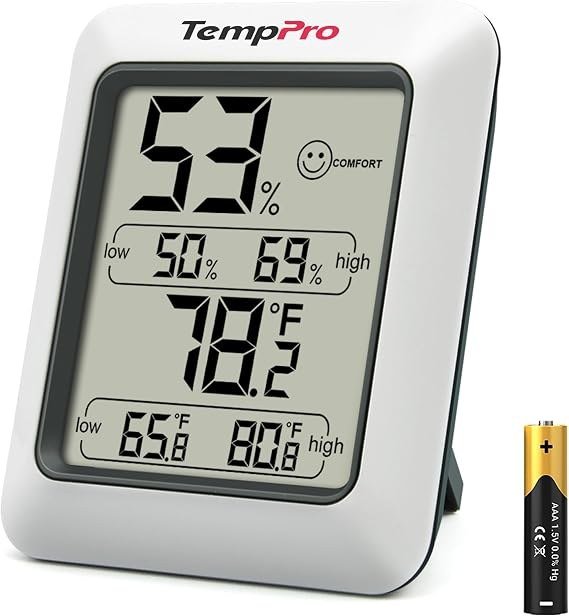
ThermoPro TP50 Temperature and Humidity Monitor
Best for
Anyone who wants to know the bedroom's temperature and humidity for the least money and without an app.
What it does well
- Stated accuracy of ±1°F and ±2–3% RH is more than enough to know whether a room is dry or hot
- No app, no account, no Wi-Fi — a number on a screen you can read from bed
Trade-offs
- No logging: you get the high and low, not when they happened
- The Amazon listing now shows the brand "TempPro (Previously ThermoPro)" — the product appears unchanged, but check the listing
-
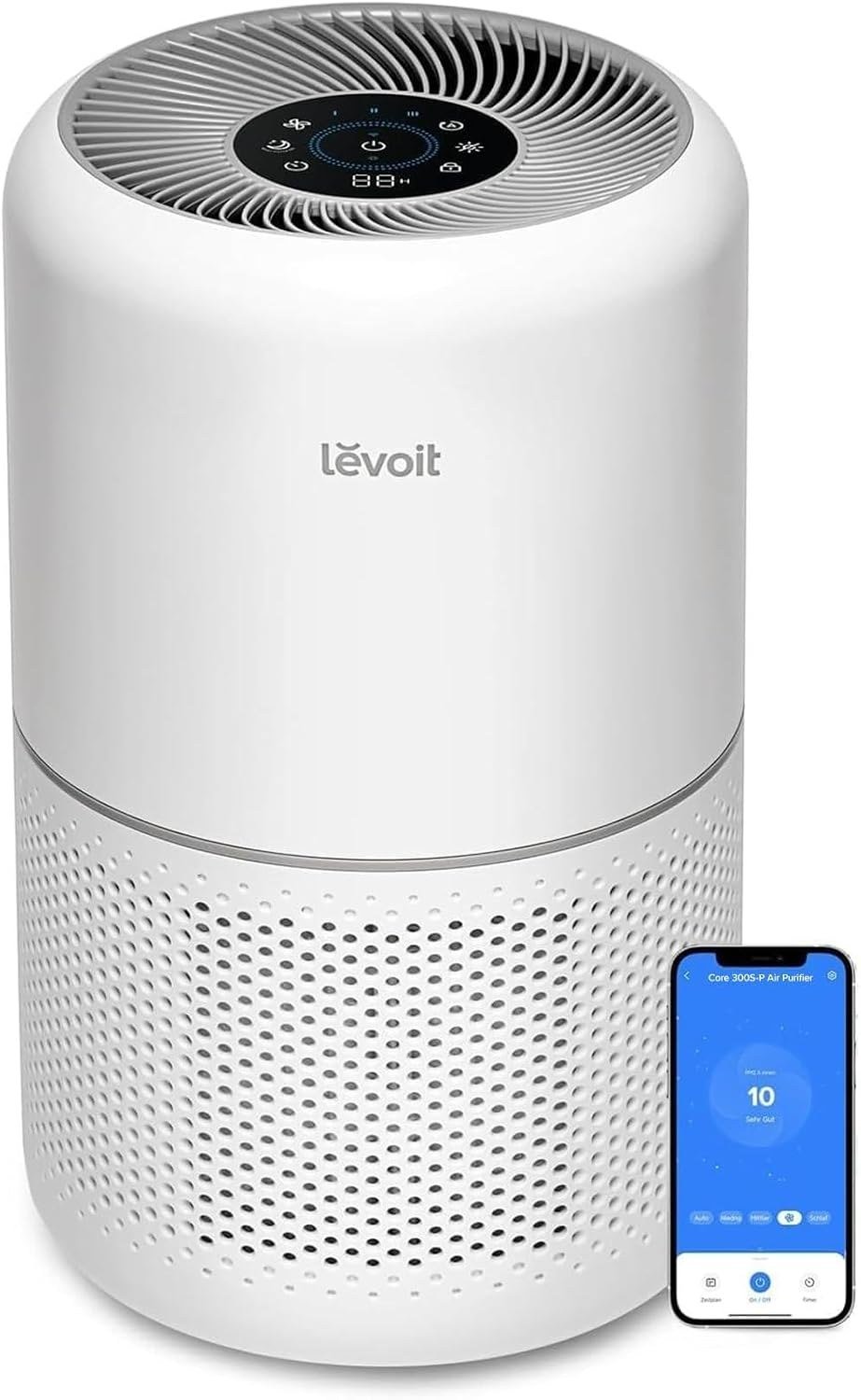
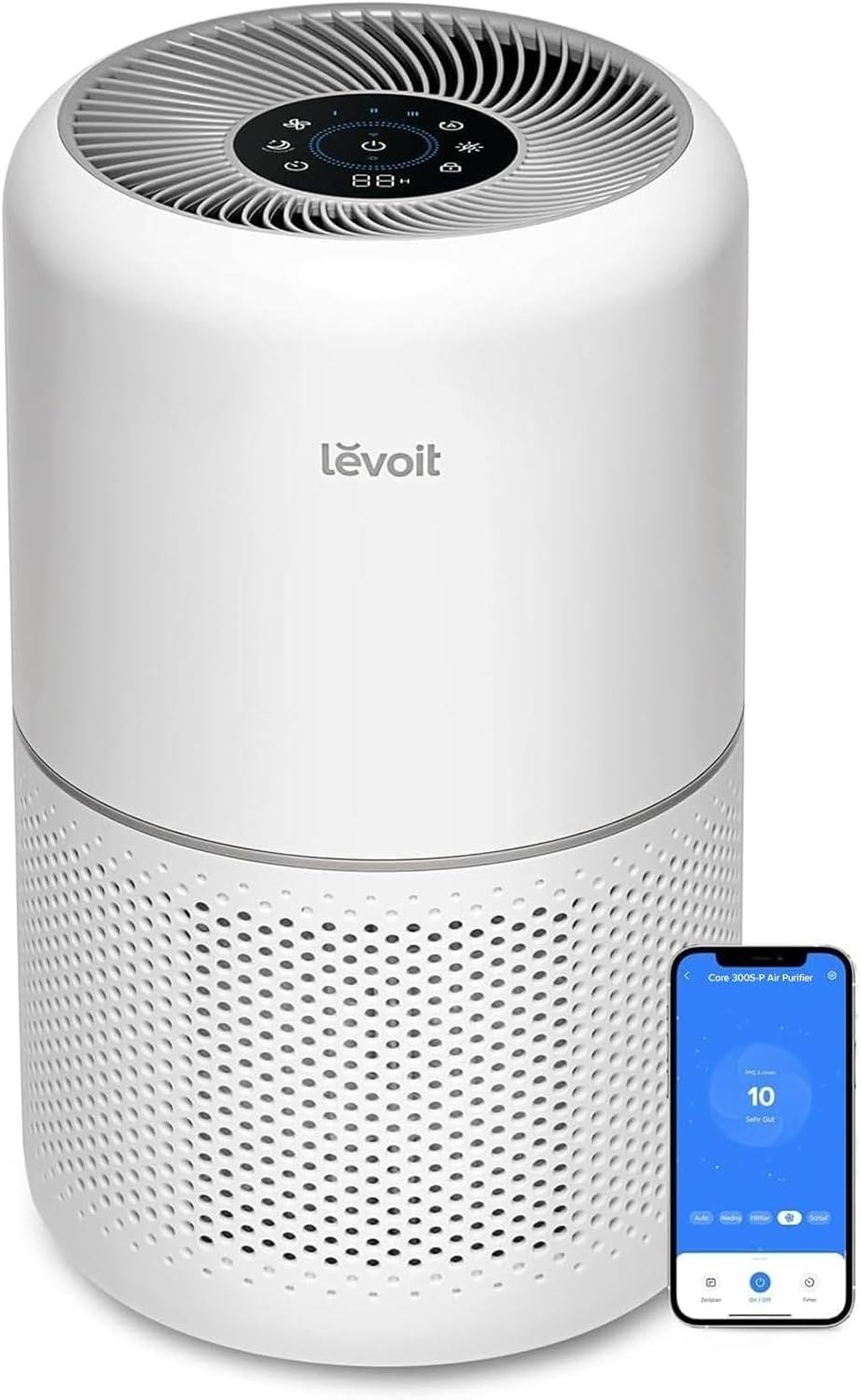
Levoit Core 300S-P Smart Air Purifier — White
Best for
Bedrooms and small rooms where allergens or dust are the issue, and the purifier must run silently overnight.
What it does well
- Sleep mode in the low-20s dB per Levoit — quiet enough to sit beside the bed
- Small footprint for a nightstand or corner, unlike the tower-sized WINIX
Trade-offs
- Levoit's large-room figure is one air change per hour; for the four or five changes allergy guidance suggests, treat it as a small-room purifier
- Filters are a recurring cost every several months, and the sensor-driven auto mode can run the fan up at night
-
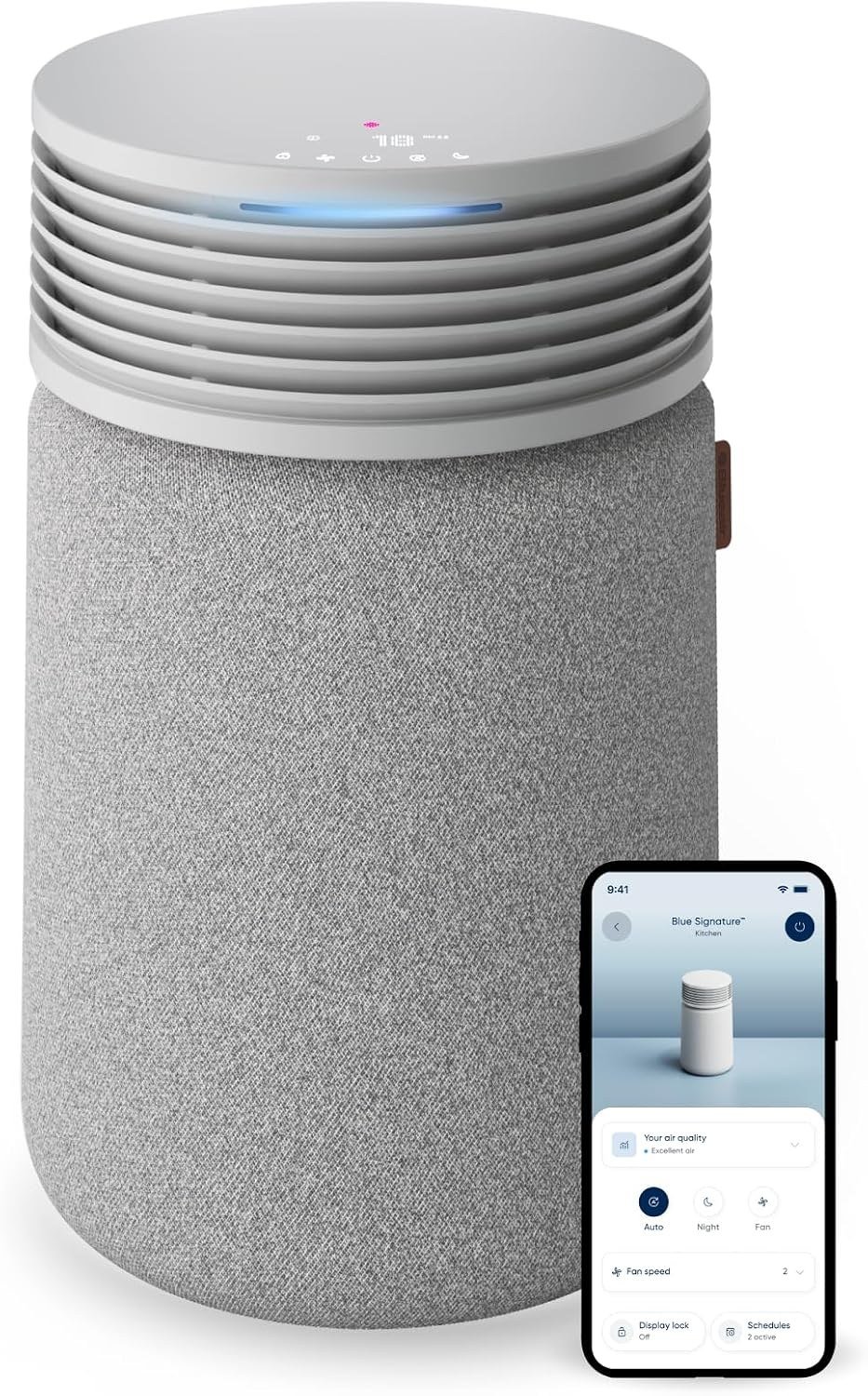
Blueair Blue Pure 411i Max Smart Air Purifier
Best for
Small bedrooms where silence and a low footprint matter most — if you can confirm you are buying a 411i Max.
What it does well
- An 18 dB floor per Blueair — the quietest stated low setting of any purifier we list
- HEPASilent combines an electrostatic charge with a mechanical filter, letting a low fan speed move more air quietly
Trade-offs
- Discontinued by Blueair: replacement filters will become harder to find over time
- The Amazon listing under this ASIN rendered a different model (Signature SP3i) when we checked — you may not receive a 411i Max
-
Levoit Classic 300S Smart Humidifier
Best for
Dry bedrooms that need real output, and people who want to set a humidity target and let the sensor run it.
What it does well
- A humidity sensor and auto mode hold a target — Levoit's default 40–50% — instead of running blind
- A 6 L top-fill tank with a stated 60-hour runtime means refilling every couple of days, not every night
Trade-offs
- Ultrasonic mist carries dissolved minerals: hard water leaves white dust on surfaces unless you use distilled or demineralised water
- Standing water in a warm bedroom needs regular cleaning, and there is no run-to-dry or UV step as on the Canopy
-
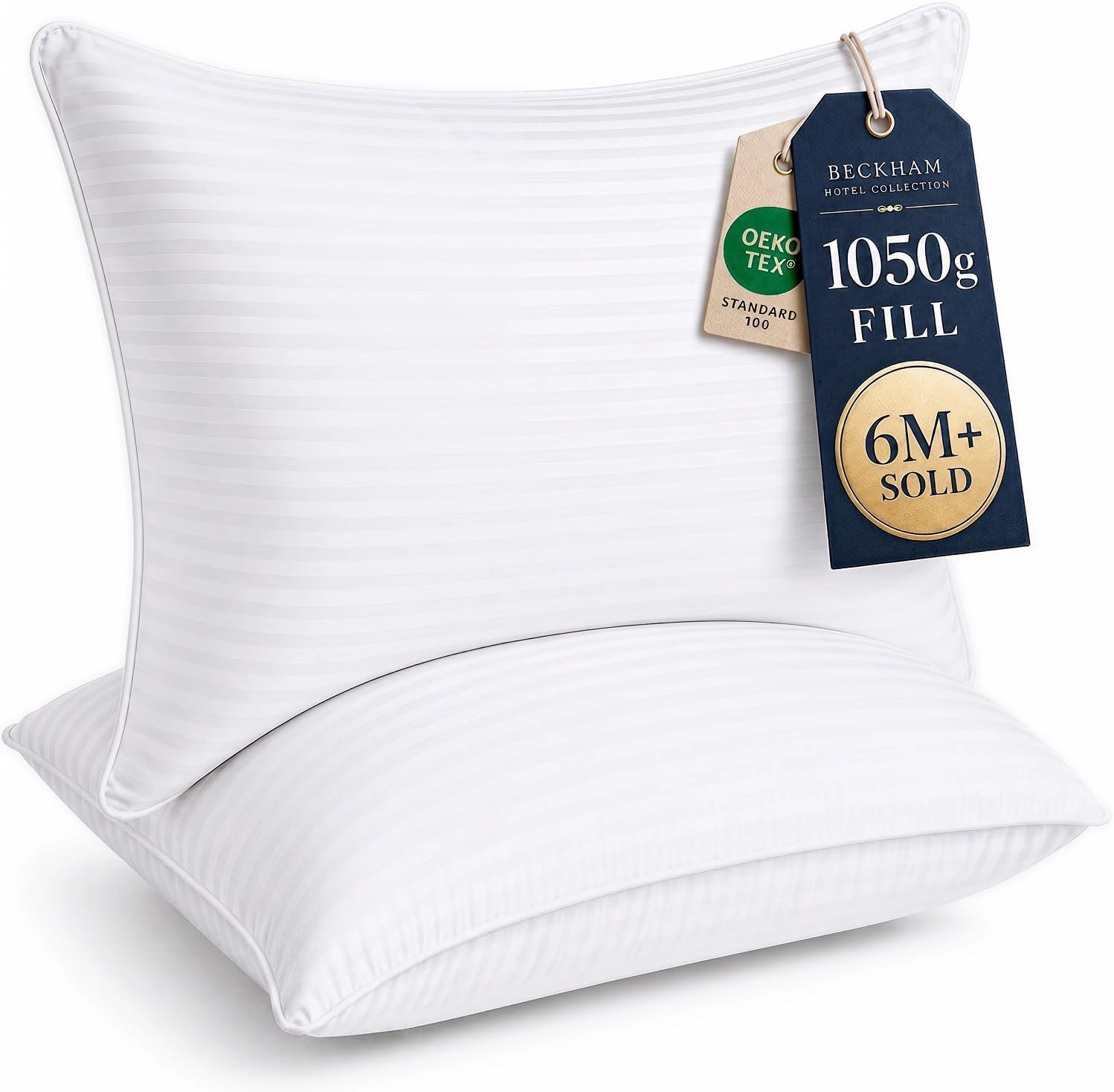
Beckham Hotel Collection Bed Pillows — Standard/Queen, Set of 2
Best for
Stomach and back sleepers who want a plush pillow, and anyone furnishing a spare room on a budget.
What it does well
- Soft, sink-in feel that stomach and back sleepers often prefer to any foam
- Two pillows in the pack, which makes it the cheapest way to furnish a bed or a guest room in our catalogue
Trade-offs
- Polyester fill flattens and clumps with use; expect to replace them sooner than a foam or latex pillow
- Little structural support — side sleepers with broad shoulders will sink through
Add contextual links inside temperature, air quality, humidity, light, and noise sections; finish with budget/mid-range/premium stages.
The Science of Acoustic Masking
The solution to a noisy bedroom is not necessarily attempting to achieve absolute silence (which can be nearly impossible in urban environments and can actually make sudden noises seem more pronounced). Instead, the most effective strategy is acoustic masking.
Acoustic masking involves introducing a continuous, steady stream of background sound that raises the ambient noise floor of the room. By raising the baseline volume, sudden environmental noises are less distinct and are less likely to breach the arousal threshold. This principle is analogous to turning on a light in a dark room; the light makes the sudden flash of a flashlight less noticeable.
While earplugs offer a mechanical barrier to sound, they can be uncomfortable for some and do not eliminate bone-conducted noise. For a detailed analysis of when to use which method, refer to our comparison on earplugs vs white noise.
White, Pink, and Brown Noise
The type of continuous sound used for masking is critical. The most commonly referenced is "white noise." White noise contains equal energy across all frequencies audible to the human ear (20 Hz to 20,000 Hz). Because it encompasses all frequencies, it is highly effective at masking a wide variety of external sounds. However, some individuals find the high-frequency components of true white noise to be somewhat harsh or hissy, akin to television static.
An alternative is "pink noise," which contains equal energy per octave. This means that the energy decreases at higher frequencies, resulting in a sound profile that is often perceived as deeper, richer, and more natural—similar to the sound of steady rainfall or rustling leaves. Emerging research suggests that pink noise may not only mask disruptive sounds but actually enhance slow-wave (deep) sleep by synchronizing brain waves.
"Brown noise" takes this a step further, with even less energy in the high frequencies, creating a deep, rumbling sound reminiscent of a distant waterfall or heavy surf.
For optimal acoustic masking, mechanical sound conditioners are often preferred over digital recordings. Mechanical devices use a physical fan enclosed in an acoustic housing to generate the sound, resulting in a rich, non-repeating, and deeply soothing soundscape that digital speakers often fail to replicate accurately.
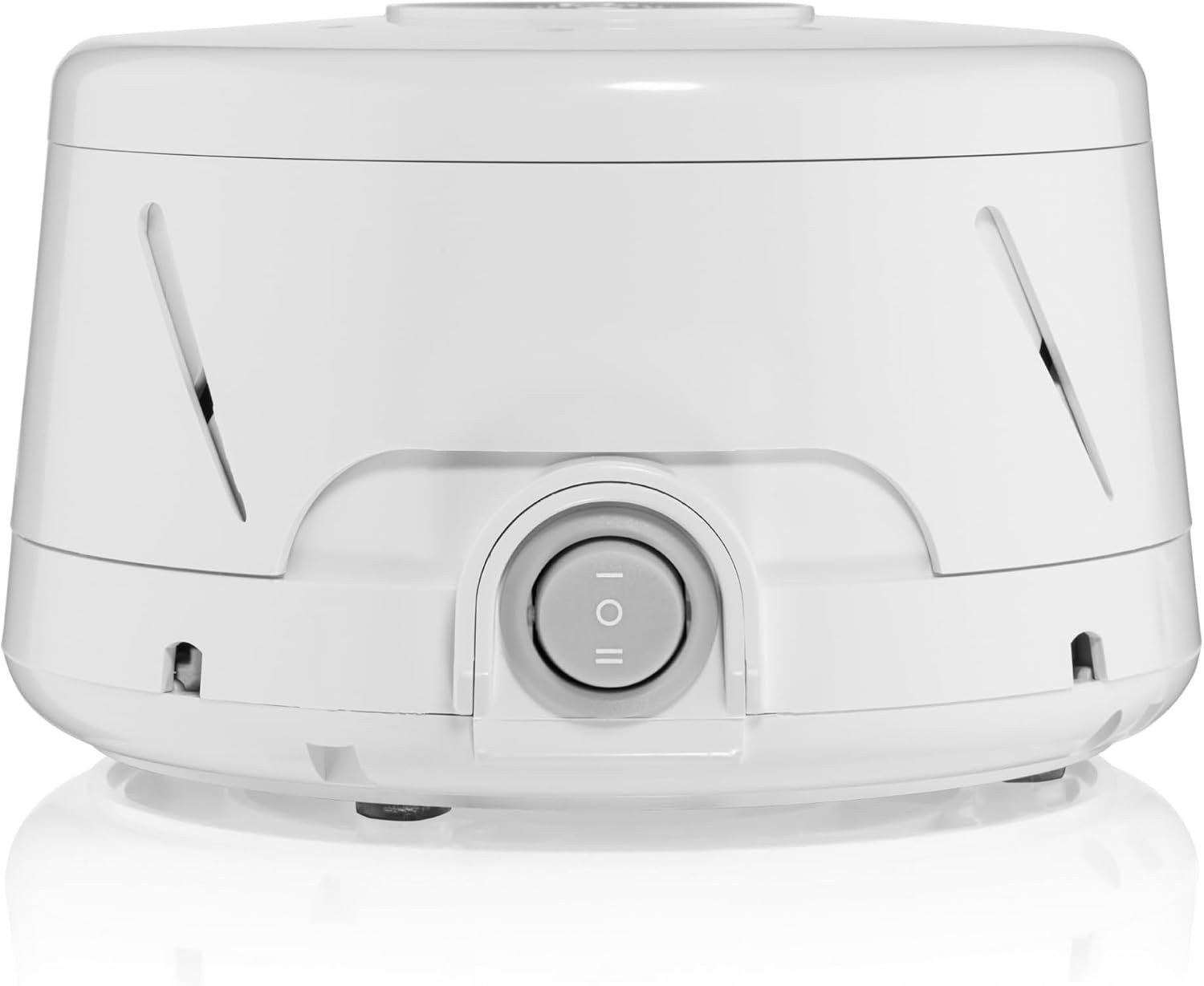
Yogasleep Dohm Classic White-Noise Machine — White
The Dohm Classic makes its sound with an actual fan inside a shell you twist to shape the tone, so the noise is continuous air rather than a recording. It suits people who want a gentle, natural masking sound in an ordinary bedroom and no electronics to manage. Its limits are volume — a small fan cannot cover a loud street — and a mains cord with no battery.
Part 5: Air Quality and Humidity: Breathing for Recovery
While light, temperature, and sound are the most frequently discussed environmental factors, the composition of the air you breathe during sleep is equally crucial and often entirely neglected. We spend roughly a third of our lives in the bedroom, making it the most significant indoor environment we occupy.
Carbon Dioxide Accumulation in the Bedroom
When you sleep in a closed room, you are continually exhaling carbon dioxide (CO2). Without adequate ventilation, CO2 levels in a standard-sized bedroom can rise dramatically over an 8-hour period. Normal outdoor CO2 levels are roughly 400 parts per million (ppm). In a closed bedroom with two occupants, CO2 levels can easily exceed 2,000 to 3,000 ppm by morning.
Elevated CO2 levels have been definitively linked to impaired sleep quality. High CO2 concentrations act as a mild stressor, increasing respiratory rate, heart rate, and the frequency of micro-arousals. Individuals sleeping in high-CO2 environments consistently report feeling more groggy upon waking, experiencing more vivid or stressful dreams, and demonstrating reduced cognitive performance the following day.
Improving bedroom ventilation is the primary solution. Simply leaving the bedroom door ajar or cracking a window (if external noise and temperature allow) can drastically reduce CO2 accumulation, leading to subjectively and objectively better sleep.
Humidity: The Forgotten Variable
Alongside gas composition, the humidity of the air plays a vital role in sleep comfort and respiratory health. The ideal relative humidity for a bedroom falls between 40% and 60%.
When the air is too dry—a common occurrence during winter months when central heating systems are running—it can cause severe irritation to the mucous membranes of the respiratory tract. Dry air dries out the nasal passages and throat, increasing the likelihood of snoring, exacerbating asthma or allergies, and causing you to wake up with a parched throat and congestion. The respiratory system relies on a moist environment to efficiently filter out airborne pathogens and dust; dry air compromises this defense mechanism.
Conversely, air that is too humid (above 60%) can promote the growth of mold and dust mites, which are potent allergens that can trigger respiratory distress and ruin sleep quality. Furthermore, high humidity impairs the body's ability to cool itself via sweat evaporation, exacerbating thermoregulatory issues.
To combat dry air, a high-quality bedroom humidifier is an essential tool. Maintaining optimal humidity ensures the respiratory tract remains lubricated and functional, reducing the likelihood of snoring and promoting uninterrupted, restful breathing throughout the night.
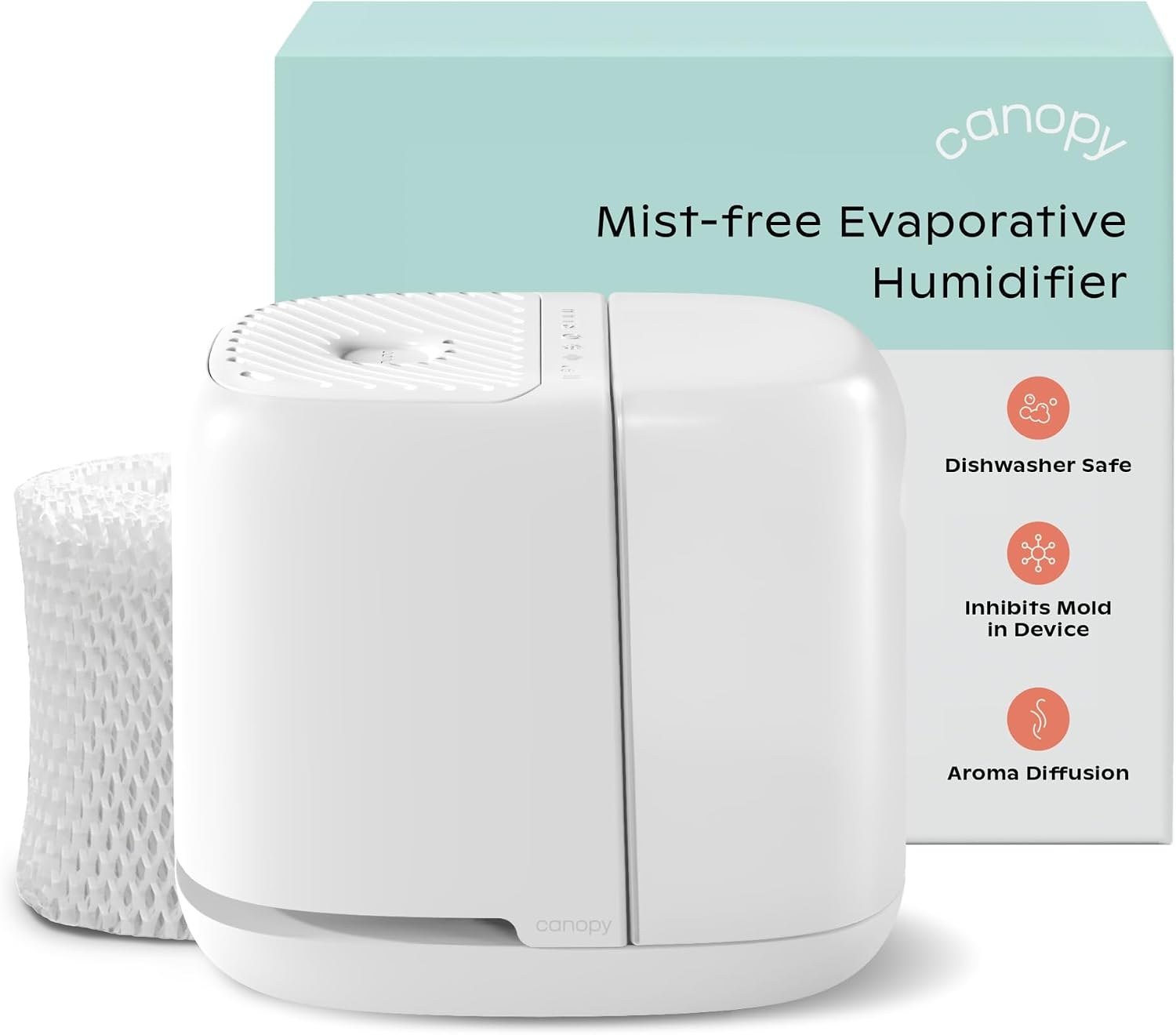
Canopy Bedside Humidifier 2.0 — White
The Canopy Bedside 2.0 humidifies by evaporation through a filter rather than by ultrasonic mist, so there is no white dust and no wet nightstand, and it runs until the tank is dry to discourage mould. A 2.5 L tank gives a stated 36 hours; the tank, tray and grille are dishwasher safe, and it adds a reading light and a white-noise setting. It suits dry bedrooms and people who will not scrub a humidifier. Filters are a recurring cost and output is gentler than an ultrasonic unit's.
Part 6: Bedding and Tactile Comfort: The Micro-Environment
The final physical layer of your bedroom environment is the bed itself. The tactile feedback provided by your mattress, pillows, and sheets significantly influences how quickly you fall asleep and how comfortably you remain asleep.
The Physics of Bedding and Friction
We move significantly during sleep. These movements, ranging from minor positional adjustments to full-body rolls, are necessary to relieve pressure points and maintain healthy circulation. However, if your bedding creates excessive friction, these movements require more physical effort, which can subtly elevate heart rate and trigger micro-arousals.
Furthermore, the delicate skin of the face and the structure of hair are subjected to constant friction against the pillowcase for eight hours a night. Traditional cotton pillowcases, while breathable, possess a relatively rough microscopic texture. This friction can lead to skin irritation, the exacerbation of acne, and hair breakage or tangling.
By upgrading the tactile surface of your bedding, specifically the pillowcase, you reduce this friction. Materials like high-grade silk offer an exceptionally smooth surface, minimizing mechanical stress on the skin and hair, and allowing for effortless movement during sleep. This seemingly minor adjustment contributes to a more seamless and uninterrupted sleep experience.
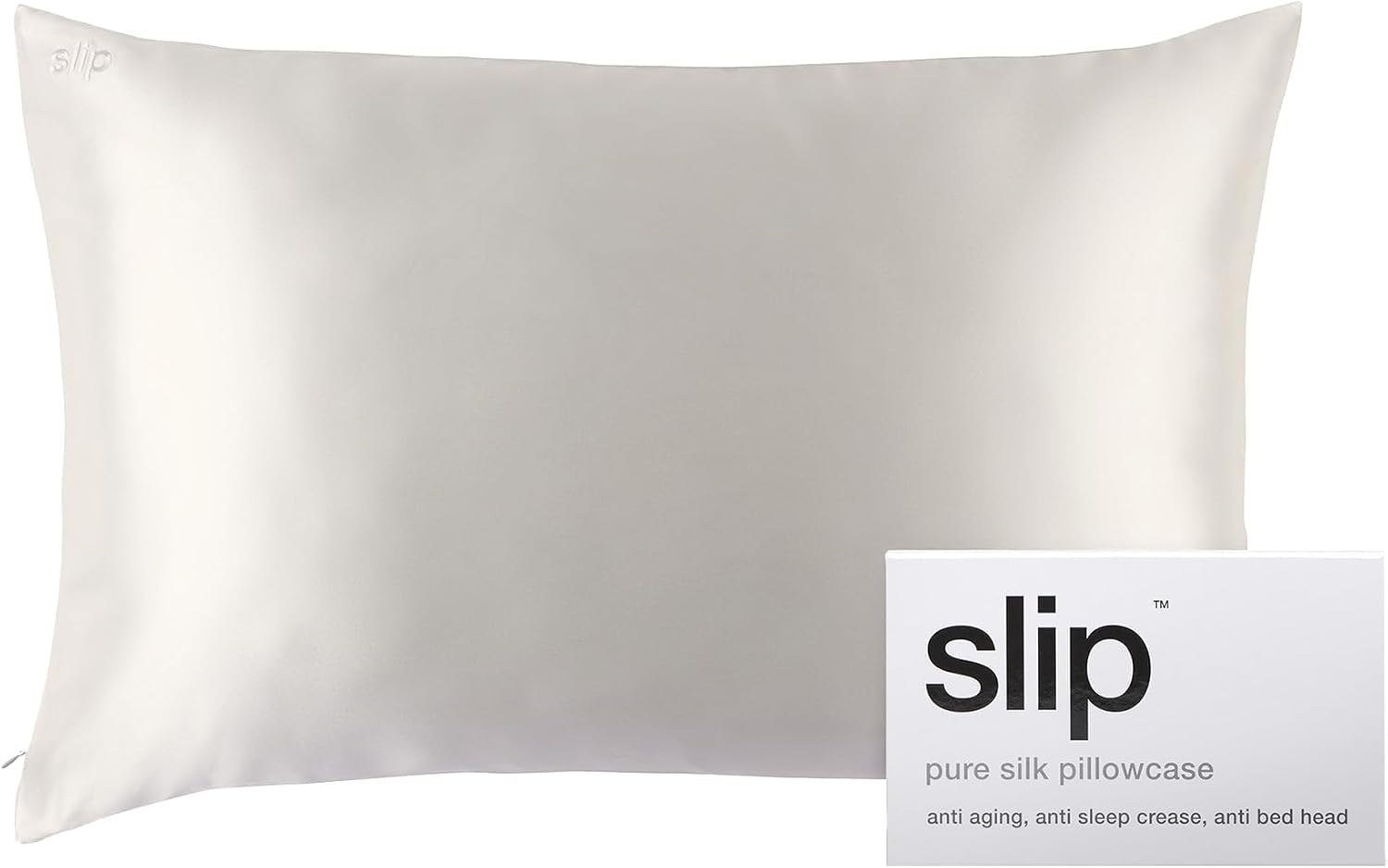
Slip Original Queen Pure Silk Pillowcase — White
The Slip Original is a queen pillowcase in 22-momme mulberry silk, the weight at which silk stops feeling flimsy. It changes the one surface that touches face and hair all night: less friction, less moisture absorbed, cooler than cotton on contact. It suits people with textured or fragile hair, dry or sensitive skin, and hot sleepers who want a cool pillow. It is expensive for one pillowcase and needs careful washing.
Mattress Support and Alignment
The foundation of tactile comfort is, of course, the mattress. A mattress must achieve a delicate balance: it must be soft enough to relieve pressure on prominent points (like the hips and shoulders) while remaining firm enough to keep the spine in neutral alignment.
Spinal misalignment during sleep places continuous mechanical stress on the surrounding musculature and ligaments. The body attempts to compensate for this stress throughout the night, preventing the deep muscular relaxation characteristic of restorative sleep. If you frequently wake up with lower back pain, neck stiffness, or numbness in your extremities, your mattress or pillow is likely failing to provide adequate support. An optimized bedroom necessitates a sleep surface tailored to your specific body weight, sleeping position, and support requirements.
Part 7: Behavioral Psychology and the Bedroom: The Sleep Sanctuary
Optimizing the physical environment of your bedroom is only half the battle. The other half involves optimizing your psychological association with the space. The brain is a powerful association engine; it constantly builds connections between environments and expected behaviors.
Stimulus Control Therapy
In the field of sleep medicine, one of the most effective treatments for insomnia is Stimulus Control Therapy. The fundamental premise is simple: the bedroom should be associated exclusively with sleep (and intimacy).
In modern life, the bedroom often doubles as an office, an entertainment center, or a dining room. We watch thrilling movies in bed, answer stressful work emails from our laptops, and scroll through anxiety-inducing news feeds. Consequently, the brain begins to associate the bed not with relaxation and sleep, but with wakefulness, stress, and cognitive arousal. When you enter a room associated with stress, your sympathetic nervous system activates, releasing cortisol and adrenaline—the exact opposite of the physiological state required for sleep.
Cultivating the Sanctuary
To engineer a true sleep sanctuary, you must ruthlessly protect the psychological integrity of your bedroom. - Remove Work: Never work in bed. If you must work in your bedroom, designate a specific chair or desk, and never bring the laptop onto the mattress. - Banish Screens: As discussed in the lighting section, screens have no place in the bedroom. - The 20-Minute Rule: If you are lying in bed unable to sleep for more than 20 minutes, get up. Go to a different room, engage in a low-stimulation activity under dim light (like reading a physical book), and only return to bed when you feel overwhelmingly sleepy. Lying in bed awake and frustrated only reinforces the association between the bed and anxiety.
By strictly limiting the activities that occur in your bedroom, you retrain your brain. Eventually, simply walking into your dark, cool, optimized bedroom will act as a powerful psychological trigger, automatically initiating the cascade of relaxation responses that lead to deep sleep. To further enhance this transition, it is highly recommended to pair this environmental optimization with a consistent, wind-down ritual. For actionable strategies, read our guide on building a calming bedtime routine.
Conclusion
Optimizing your bedroom for sleep is not an indulgence; it is a biological necessity. By applying scientific principles to the control of light, temperature, sound, air quality, and tactile comfort, you are actively removing the environmental friction that prevents your body from executing its natural restorative processes.
True sleep optimization is holistic. Blackout curtains alone will not fix a sleep deficit if the room is sweltering; an advanced cooling mattress is less effective if you are breathing stale, dry air. Take a systematic approach to your bedroom environment. Audit each variable, implement the solutions outlined in this guide, and protect your sleep sanctuary with behavioral discipline. The profound improvements in your daily energy, cognitive clarity, and overall health will be the ultimate testament to the power of an optimized sleep environment.


Join the conversation
Questions and experiences are welcome. Every comment is read by a person before it appears, and your email address is never published.
No comments yet — yours would be the first.