
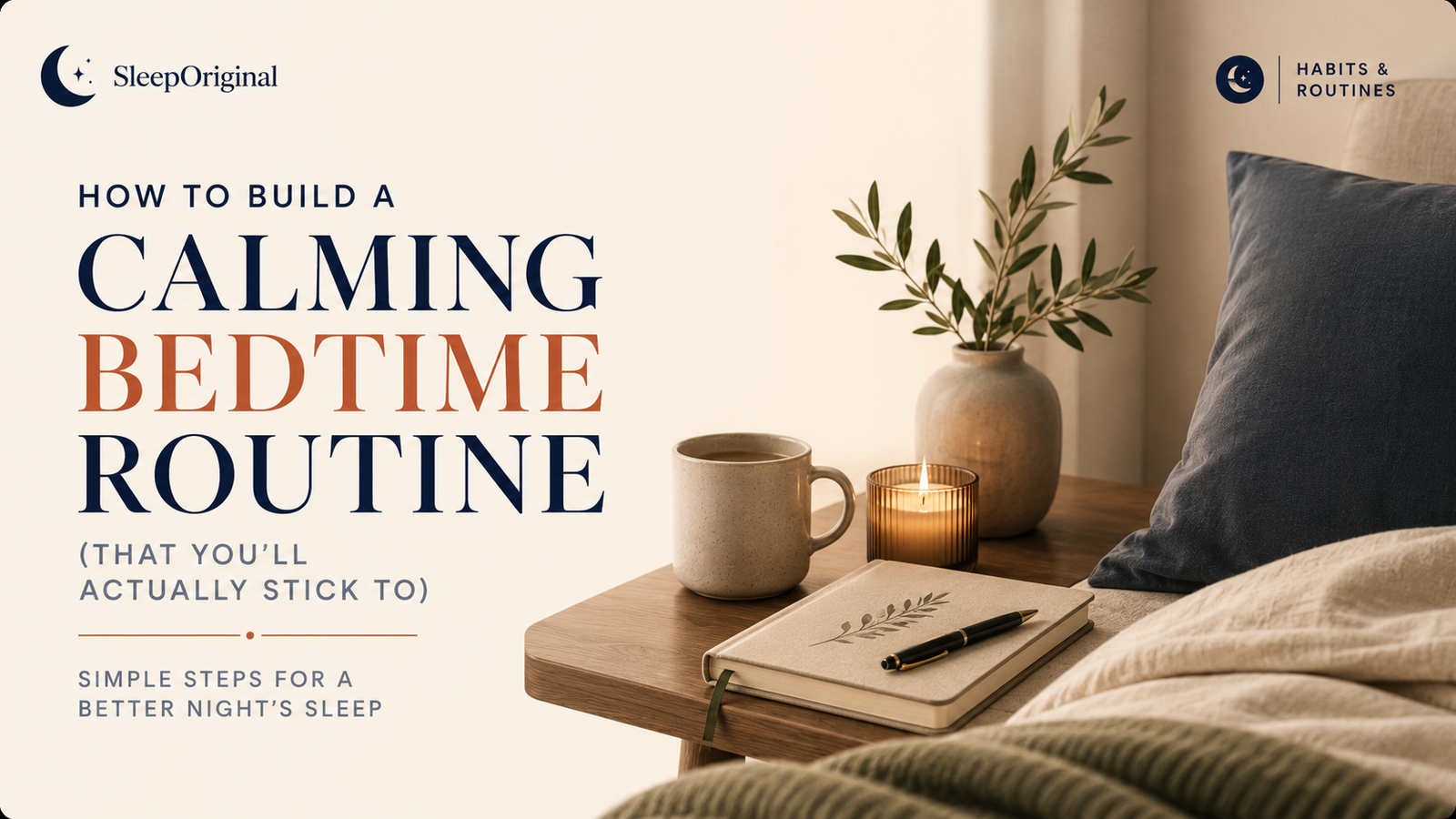
In the modern era, where our days are saturated with constant connectivity, endless streams of information, and unrelenting professional demands, the concept of a calming bedtime routine has evolved from a mere luxury into an absolute biological and psychological necessity. The transition between the high-octane wakefulness required to navigate daily life and the deep, restorative sleep necessary for physical and cognitive recovery is not a switch that can simply be flicked off. Instead, it is a delicate physiological process that requires deliberate orchestration. Understanding the profound impact of a structured pre-sleep ritual demands an exploration into the intricate mechanisms of human chronobiology, neuroscience, and behavioral psychology. When we attempt to abruptly transition from a state of hyper-arousal to sleep, we are essentially fighting against millions of years of evolutionary programming that interprets high stimulation as a signal of either opportunity or threat, both of which require heightened vigilance rather than rest.
A scientifically grounded calming bedtime routine serves as a bridge, a carefully designed buffer zone that signals to the brain and the body that the day’s demands have concluded and that it is safe to down-regulate. This process involves a complex cascade of neurochemical changes, primarily characterized by the gradual reduction of cortisol and adrenaline, alongside the steady increase in melatonin and gamma-aminobutyric acid (GABA). It is about intentionally manipulating our environment and our behaviors to align with our circadian rhythms rather than disrupting them with artificial light and digital stress. By committing to a consistent, well-structured sequence of calming activities, we actively reshape our sleep architecture, enhancing both sleep onset latency (the time it takes to fall asleep) and sleep efficiency (the proportion of time in bed spent asleep). This comprehensive guide looks at the physiological imperatives, psychological triggers, and practical frameworks required to construct a highly effective, deeply calming bedtime routine that genuinely transforms the quality of your nocturnal recovery.
The Nervous System Shift: Sympathetic to Parasympathetic
At the core of any effective calming bedtime routine lies the crucial transition of the autonomic nervous system. Throughout the day, especially in demanding environments, we operate predominantly under the influence of the sympathetic nervous system (SNS), commonly known as the "fight or flight" state. This state is characterized by elevated heart rates, shallow breathing, increased muscle tension, and the continuous release of stress hormones such as cortisol and epinephrine. While essential for daytime performance and responsiveness, maintaining sympathetic dominance into the evening acts as a massive physiological roadblock to sleep. The fundamental objective of a pre-sleep ritual is to actively disengage the sympathetic nervous system and stimulate the parasympathetic nervous system (PNS), the "rest and digest" state.
Shifting into parasympathetic dominance requires intentional interventions that communicate safety and relaxation to the brain stem and hypothalamus. One of the most effective, scientifically validated methods to achieve this shift is through specific breathing protocols. Techniques such as the 4-7-8 breathing method or resonance frequency breathing (typically around 5.5 to 6 breaths per minute) directly stimulate the vagus nerve. The vagus nerve, a major component of the parasympathetic nervous system, acts as a sophisticated bidirectional communication highway between the brain and internal organs. When stimulated through slow, diaphragmatic breathing, it triggers the release of acetylcholine, a neurotransmitter that rapidly decelerates the heart rate, lowers blood pressure, and promotes a systemic sense of calm.
Beyond respiration, temperature regulation plays a pivotal role in this physiological shift. The body's core temperature naturally drops as part of the circadian initiation of sleep. Engaging in a warm bath or shower approximately 60 to 90 minutes before bed exploits a phenomenon known as the "warm bath effect." The exposure to warm water causes vasodilation—the widening of blood vessels—at the distal extremities (hands and feet). When you exit the warm environment, the rapid heat loss from these extremities facilitates a more precipitous drop in core body temperature, sending a powerful somnogenic (sleep-inducing) signal to the brain that perfectly aligns with the onset of the parasympathetic state.
Furthermore, minimizing cognitive and sensory arousal is paramount. The sympathetic nervous system is highly reactive to novel stimuli and perceived threats, which are abundant in news broadcasts, high-stakes emails, and intense entertainment. By systematically reducing exposure to these stimuli, we allow the amygdala—the brain’s threat detection center—to down-regulate, further paving the way for parasympathetic activation. A calming bedtime routine must be viewed not merely as a set of relaxing activities, but as a deliberate physiological protocol designed to biochemical transition the body from an active to a restorative state.
The Psychological Trigger of Sleepwear and Environment
The psychological dimension of a calming bedtime routine is deeply rooted in the principles of classical conditioning and environmental psychology. Our brains are highly adept at forming associative links between specific environmental cues, behaviors, and resulting physiological states. Over time, consistent cues can reliably trigger desired responses, a concept that is highly applicable to sleep architecture. The physical environment of the bedroom and the specific garments we wear to sleep serve as powerful contextual triggers that prime the mind for rest.
Consider the role of sleepwear as a behavioral boundary. When we change out of the clothes associated with work, productivity, or daytime activity, and into dedicated sleepwear, we engage in a physical act of boundary-setting. This transition communicates a clear message to the cognitive systems: the active phase of the day has concluded. The tactile sensation of high-quality fabrics can further enhance this transition by promoting physical comfort and sensory down-regulation. For instance, incorporating garments designed for optimal temperature regulation and tactile softness, such as the [[PRODUCT:lunya-washable-silk-tee-pant-set-for-women]], can act as a profound physical anchor for relaxation. Silk, in particular, is highly effective at managing microclimates against the skin, preventing the micro-awakenings caused by temperature fluctuations that often disrupt the delicate transition into deeper sleep stages.
The bedroom environment itself must be meticulously curated to act as a sleep sanctuary. This involves optimizing three critical environmental variables: light, sound, and temperature. Light is the most powerful zeitgeber (time-cue) for the circadian system. Exposure to bright light, especially blue-spectrum light emitted by screens and LED bulbs, suppresses the secretion of melatonin from the pineal gland. A proper routine involves dimming ambient lighting at least an hour before bed and utilizing warm, low-intensity light sources. This mimicking of dusk signals the brain to initiate its sleep protocols.
Sound optimization is equally critical. While total silence is ideal for some, others benefit from continuous, non-information-bearing acoustic environments, such as white, pink, or brown noise. These continuous soundscapes work by masking sudden, discrete noises that could trigger a sympathetic arousal response and disrupt sleep continuity. Finally, the ambient temperature of the room should be kept cool, ideally between 60 to 67 degrees Fahrenheit (15 to 19 degrees Celsius), to support the natural drop in core body temperature required for sleep onset. By deliberately engineering these psychological and environmental triggers—from the specific, luxurious comfort of dedicated sleepwear to the precise calibration of light and sound—we create a potent, conditioned response where simply entering the bedroom and changing clothes significantly accelerates the onset of sleep.
Cognitive Offloading and Journaling
One of the most pervasive obstacles to falling asleep is cognitive hyperarousal—the phenomenon often described as a "racing mind." In our knowledge-based, hyper-connected society, the brain is continuously processing vast amounts of information, solving complex problems, and anticipating future challenges. When the lights go out and external distractions fade, this cognitive momentum often translates into rumination, anxiety, and intrusive thoughts that severely delay sleep onset. Addressing this requires a dedicated practice of "cognitive offloading" as a central pillar of the calming bedtime routine.
Cognitive offloading is the practice of externalizing thoughts, worries, and plans from working memory onto a physical medium, thereby relieving the brain of the burden of maintaining and processing them actively. The prefrontal cortex, responsible for executive function, planning, and worrying, remains highly active when we try to hold onto tomorrow's to-do list or unresolved emotional issues. By systematically writing these down, we create a psychological "closure" that signals to the prefrontal cortex that it is safe to power down, as the information is securely stored externally.
A highly effective protocol for cognitive offloading involves structured journaling, which can be broken down into two distinct phases: planning and processing. The planning phase involves writing down the specific tasks, obligations, and goals for the following day. Research indicates that the mere act of writing down a specific, actionable to-do list for the next day can significantly reduce sleep onset latency. It transforms amorphous, anxiety-inducing thoughts into concrete, manageable items. The processing phase involves expressive writing—briefly documenting the day's events, unresolved frustrations, or moments of gratitude. Expressive writing has been shown to reduce physiological stress markers and improve emotional regulation, preventing the emotional centers of the brain from remaining hyperactive during the night.
It is crucial that this cognitive offloading occurs using an analog medium—pen and paper—rather than a digital device. Utilizing a smartphone or tablet for pre-sleep journaling introduces the dual risks of blue light exposure (which suppresses melatonin) and the temptation of digital distraction (checking emails, scrolling social media), both of which completely negate the intended calming effect. By dedicating 10 to 15 minutes of the bedtime routine to this analog offloading practice, individuals can effectively empty their cognitive workspace, transitioning from a state of anxious anticipation to one of organized calm, fundamentally preparing the neurological landscape for deep, uninterrupted sleep.
Routine-builder block
Choose fewer cues and repeat them consistently.
-

Hatch Restore 3 — Putty
Best for
People building a phone-free wind-down and wake routine who want light, sound and alarm scheduled as one thing.
What it does well
- Light and sound are scheduled together in one bedtime and wake routine, which is the whole point of the category
- A large physical button and clock-face controls mean the phone stays out of the bedroom after set-up
Trade-offs
- Set-up requires the app, Wi-Fi and — per Hatch's own support pages — starting a free Hatch+ trial you then have to cancel
- Hatch+ ($4.99 a month or $49.99 a year per Hatch) is where the larger sound library, stories and meditations live
-
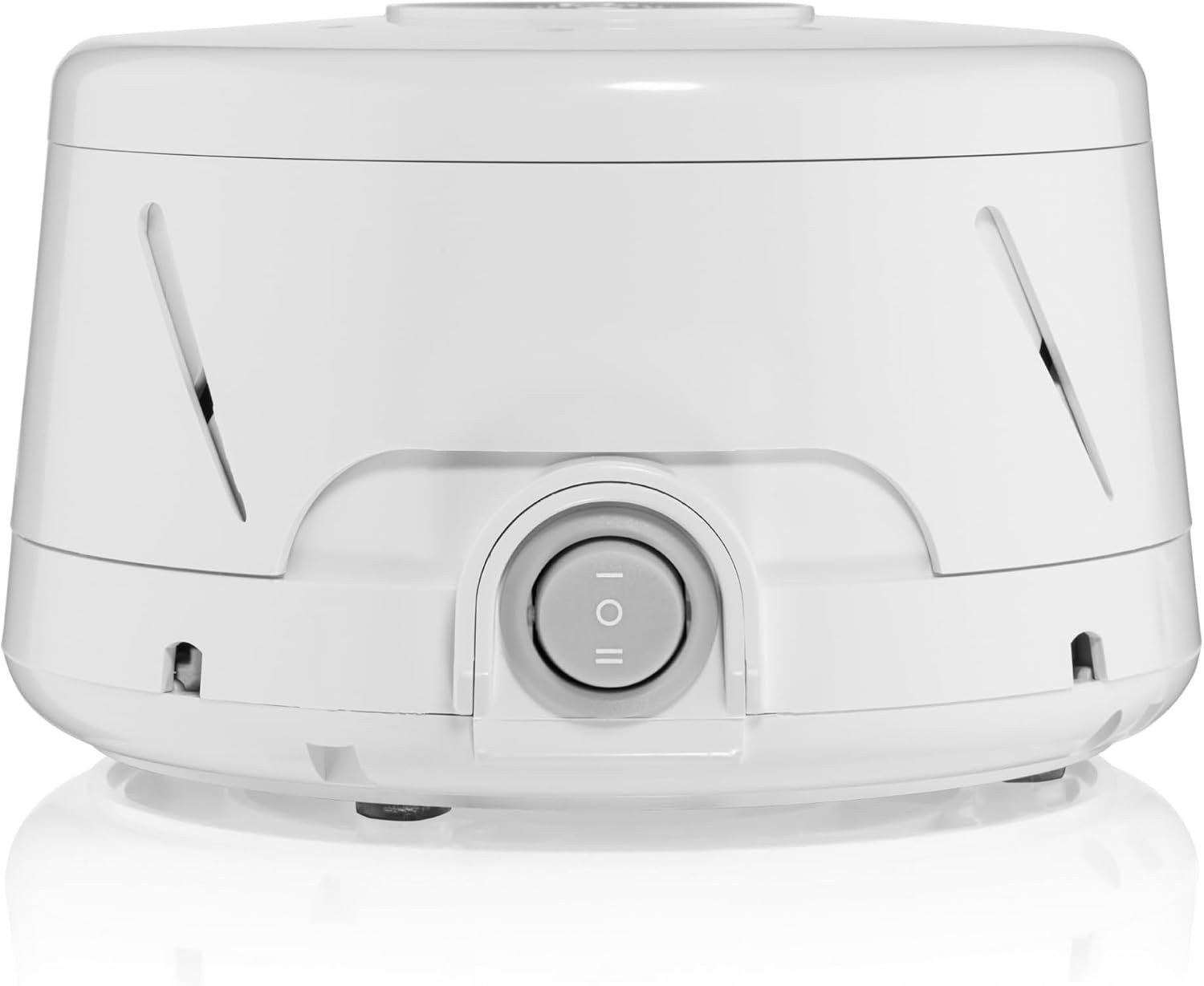
Yogasleep Dohm Classic White-Noise Machine — White
Best for
People in ordinary bedrooms who want the softest, most natural masking sound and no technology.
What it does well
- Sound comes from moving air, so it cannot loop and has the soft texture people associate with a real fan
- Two speeds plus a twist-to-adjust housing give more tonal range than the single dial suggests
Trade-offs
- A small fan has a hard volume ceiling; it will not cover heavy traffic or loud snoring
- Mains power only — no battery and no USB
-
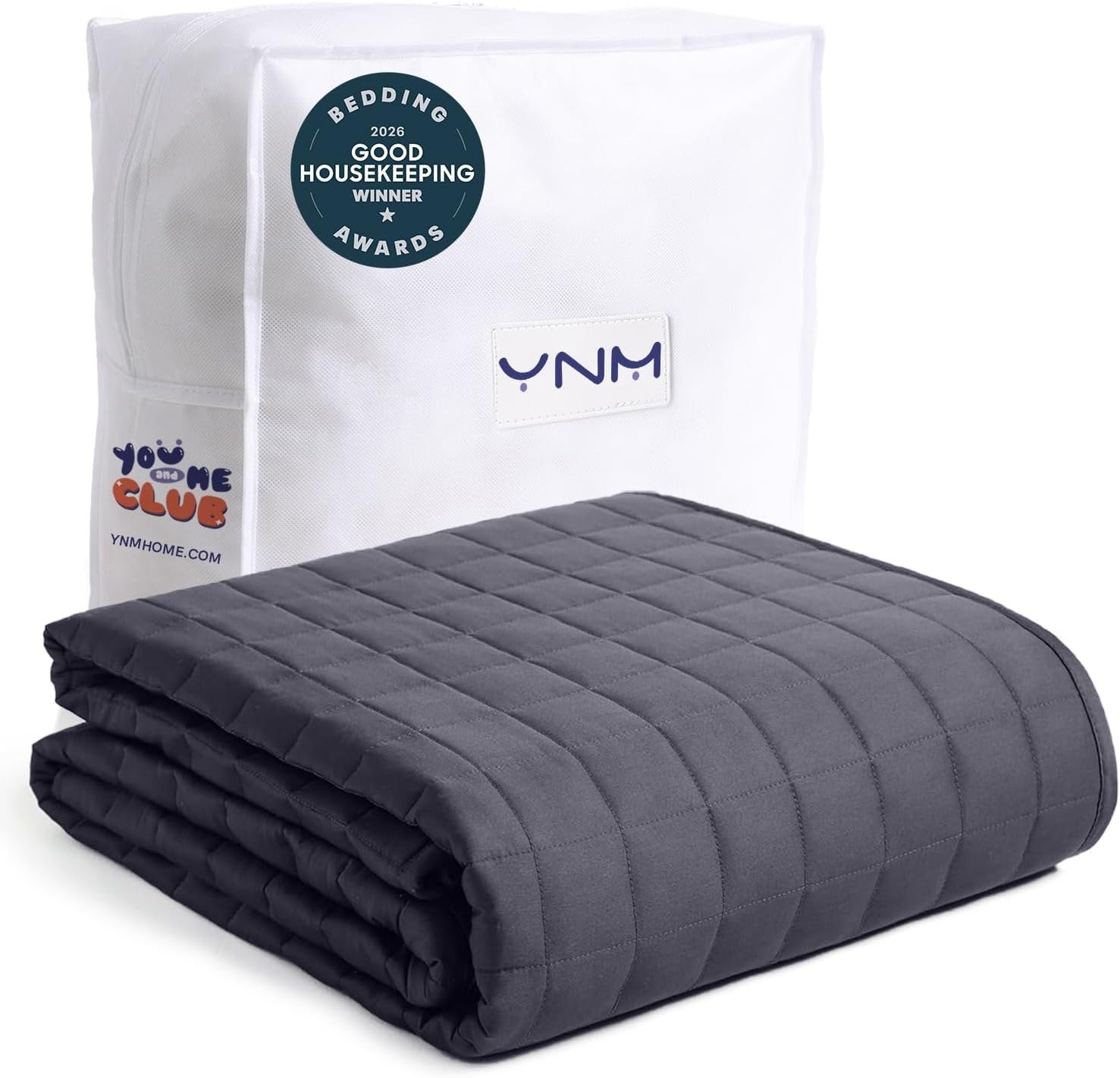
YnM Weighted Blanket — 15 lb, 48 x 72 Inches, Dark Grey
Best for
First-time weighted-blanket buyers who want to test the feel affordably and will use a cover.
What it does well
- The cheapest sensible way to test whether steady pressure helps you settle
- Small quilted pockets keep the glass beads spread rather than pooling at the feet
Trade-offs
- Beads and quilting trap heat; hot sleepers will notice
- Washing a bead-filled blanket at home is awkward and slow — a cover is the realistic solution and it is sold separately
After the reader chooses a small sequence of repeatable cues; add one companion link beside the routine checklist.
Structuring the Perfect 60-Minute Countdown
The implementation of a calming bedtime routine is most successful when it is structured as a predictable, sequential countdown. Attempting to compress relaxation into a frantic 10-minute window is counterproductive. Instead, allocating a full 60 minutes allows for the gradual, progressive down-regulation of both mind and body. This "power down hour" should follow a specific sequence, moving from active disengagement to physical relaxation, and finally to psychological preparation.
Minute 60 to 45: Disengagement and Preparation. The hour begins with the cessation of all high-stimulus activities. This is the critical moment to disconnect from work-related communications, intense television programs, and the endless scroll of social media. This period should be utilized for practical preparations for the next day, such as laying out clothes, packing a bag, or briefly tidying the immediate environment. Engaging in light, mindless chores can serve as a functional transition, shifting focus away from complex cognitive tasks while setting up a frictionless morning. It is also during this window that environmental changes should begin: dimming the lights, closing curtains, and lowering the thermostat.
Minute 45 to 30: Hygiene and Hydrotherapy. This segment is dedicated to physical maintenance and temperature manipulation. Engaging in a skincare routine, brushing teeth, and taking a warm bath or shower. As discussed, the warm water immersion is not merely about hygiene; it is a vital step in manipulating core body temperature to facilitate sleep onset. Moving through these personal care steps predictably and mindfully reinforces the conditioned response that sleep is imminent. This is also the optimal time to change into dedicated sleepwear, further solidifying the psychological boundary between the active day and the restful night.
Minute 30 to 15: Cognitive Offloading. With the physical preparations complete and the body beginning its temperature descent, focus shifts to the mind. This 15-minute window is dedicated to the analog journaling and cognitive offloading practices previously detailed. Sitting in a dimly lit environment, using only pen and paper, outline the following day's tasks and process any lingering thoughts from the current day. This structured mental clearing is the final barrier against the intrusive, racing thoughts that commonly disrupt the transition into stage 1 sleep.
Minute 15 to 0: Parasympathetic Activation and Relaxation. The final quarter of the hour is devoted entirely to activities that directly stimulate the parasympathetic nervous system. The goal here is pure relaxation with minimal cognitive demand. This might involve engaging in 10 minutes of targeted breathing exercises (like the 4-7-8 method), progressive muscle relaxation, or reading a physical book (preferably fiction or something non-stimulating, avoiding high-tension thrillers or complex non-fiction). By the time this final 15-minute segment concludes, the combination of temperature drop, cognitive clearing, and parasympathetic activation should result in a profound sense of drowsiness, making the transition into sleep seamless and rapid when the head finally hits the pillow.
Common Mistakes That Ruin Routines
Even with the best intentions, individuals frequently sabotage their calming bedtime routines by unknowingly incorporating elements that counteract the physiological and psychological processes necessary for sleep. Understanding and eliminating these common pitfalls is just as crucial as implementing the positive steps. A routine is only as effective as its weakest link, and certain pervasive habits can easily override the subtle signals of relaxation.
The most prevalent and destructive mistake is the intrusion of digital screens into the final hour of the routine. The rationale often used is that watching a show or scrolling through social media is "relaxing." However, this conflates psychological distraction with physiological down-regulation. The blue light emitted by these devices actively suppresses melatonin production, delaying the circadian signal for sleep. Furthermore, the content itself—whether it's breaking news, stimulating social interactions, or engaging entertainment—triggers micro-doses of dopamine and adrenaline, keeping the sympathetic nervous system engaged. A true calming routine must be entirely screen-free in its final stages.
Another significant error is inconsistency in timing. The human circadian rhythm thrives on regularity. Implementing a perfect 60-minute routine at 10 PM on Tuesday and 1 AM on Friday fundamentally confuses the body's internal clock. The physiological cascades that the routine is designed to trigger—like the cortisol drop and melatonin rise—become dysregulated when the timing varies drastically. To maximize the effectiveness of a bedtime routine, it must be anchored to a consistent sleep-wake schedule, even on weekends. Consistency strengthens the conditioned response, making the routine more potent over time.
Finally, attempting to force sleep through intense focus or frustration is a paradoxical mistake. When individuals struggle to transition quickly, they often become anxious about not sleeping, creating a self-perpetuating cycle of hyperarousal known as psychophysiological insomnia. The routine should be viewed as a preparation for sleep, not a forceful induction. If, after completing the routine and spending 20 minutes in bed, sleep remains elusive, it is crucial not to lie there in frustration. The appropriate response is to leave the bed, engage in a low-light, low-stimulation activity (like reading a physical book in another room), and only return to bed when genuine drowsiness returns. The bed must remain strictly associated with successful sleep, not the anxious struggle to achieve it.
Conclusion
The pursuit of a genuinely calming bedtime routine is a vital investment in our foundational health, cognitive function, and emotional resilience. It requires moving beyond simplistic advice like "relax before bed" and adopting a structured, scientifically informed approach to disengaging the active mind and body. By actively facilitating the shift from sympathetic to parasympathetic dominance through temperature manipulation and breathwork, we create the biological preconditions for rest. By carefully curating our physical environment and utilizing psychological triggers—such as changing into high-quality sleepwear—we establish potent conditioned responses that signal safety and relaxation. Incorporating cognitive offloading ensures that our mental workspace is cleared, preventing the insidious intrusion of racing thoughts that so often delay sleep onset.
Ultimately, constructing the perfect 60-minute countdown is about intentionality and consistency. It is the deliberate, nightly practice of shedding the demands of the day and honoring the biological need of sleep. While common mistakes like digital intrusion and inconsistent timing can undermine these efforts, recognizing and eliminating these pitfalls ensures the integrity of the routine. A calming bedtime routine is not a passive event; it is an active, daily commitment to restorative physiology, transforming the chaotic transition between wakefulness and sleep into a graceful, predictable descent into deep recovery.
Join the conversation
Questions and experiences are welcome. Every comment is read by a person before it appears, and your email address is never published.
No comments yet — yours would be the first.