
Understanding the Neurobiology of Insomnia: The Hyperarousal State
When the night falls, your body is supposed to transition gracefully from the energetic demands of the day into a state of cellular repair, hormonal balancing, and profound rest. Yet, for millions grappling with chronic insomnia, this transition feels impossible. The root of this inability to sleep often lies not in a broken sleep mechanism, but in an evolutionary survival feature known as the hyperarousal state. Understanding this neurobiological reality is the first critical step toward reclaiming your nights and waking up refreshed.
The Evolutionary Purpose of Wakefulness
To comprehend why our brains keep us awake, we must look backward. For our ancient ancestors, sleep was a period of extreme vulnerability. Falling unconscious in a world filled with nocturnal predators required an intelligent neurobiological trade-off. The brain evolved a system to monitor the environment for threats even while resting, and more importantly, a system to prevent sleep entirely if the environment was deemed unsafe. This survival mechanism is hardwired into our biology. The problem is that modern society has hijacked this system. The "predators" are no longer saber-toothed tigers; they are impending deadlines, financial stress, relationship conflicts, and the endless, doom-laden scroll of the 24-hour news cycle. Because our primitive brains cannot distinguish between a physical threat to our lives and a psychological threat to our egos, modern life keeps this ancient alarm system perpetually activated.
Sympathetic vs. Parasympathetic Dominance
At its core, the physiological architecture of sleep is dictated by the delicate balance between two branches of your autonomic nervous system: the sympathetic nervous system and the parasympathetic nervous system.
The sympathetic nervous system is your body’s built-in alarm system. It is responsible for the "fight or flight" response. When activated, it pumps cortisol, adrenaline, and noradrenaline into your bloodstream. Your heart rate increases, your pupils dilate, your muscles tense in preparation for action, and blood is diverted away from your digestive organs and toward your extremities. This is a state of high physiological arousal.
Conversely, the parasympathetic nervous system is the "rest and digest" or "feed and breed" pathway. When this system takes over, it slows the heart rate, lowers blood pressure, facilitates digestion, and signals to the brain that the environment is safe enough to power down.
Sleep requires the parasympathetic system to take the wheel. However, when you suffer from chronic insomnia, your nervous system gets stuck in a state of sympathetic dominance. Your brain perceives the act of going to bed—and the associated anxiety of not being able to sleep—as a threat in itself. You begin to dread the bedroom. You look at your mattress not as a sanctuary, but as a battleground where you toss and turn in frustration. This creates a cruel irony where you are desperately tired but can't sleep. Your body is exhausted, but your nervous system is screaming that it is unsafe to drop your guard.
The Biomarkers of Hyperarousal
This state of hyperarousal is not just a psychological feeling; it is a measurable physiological state. Individuals with insomnia often exhibit: 1. Elevated Beta Brain Waves: Instead of slowing down into the relaxed Alpha and Theta frequencies necessary for sleep onset, the brain remains locked in fast-paced, anxious Beta waves. 2. Elevated Core Body Temperature: Sleep requires a drop in core body temperature of about 1 to 2 degrees Fahrenheit. Hyperarousal keeps the metabolic engine running hot, preventing this crucial temperature drop. 3. Decreased Heart Rate Variability (HRV): A healthy, relaxed heart has high variability between beats, indicating a flexible nervous system. Hyperarousal leads to low HRV, a sign of chronic stress and sympathetic overdrive.
To break this vicious cycle, you cannot simply force yourself to sleep. Sleep is a shy bird; the more you chase it, the further it flies away. Frustration only breeds more adrenaline. Instead, you must systematically and intentionally coax your nervous system out of sympathetic dominance and into parasympathetic safety. This is where a meticulously structured 30-minute wind-down routine becomes your most powerful therapeutic tool. It is not just about relaxing; it is about neurobiological reprogramming.
The Psychology of the Pre-Sleep Window
The pre-sleep window is a psychological buffer zone. It is the crucial bridge between the active, problem-solving, outward-facing mindset of the day and the passive, restorative, inward-facing state of sleep. For many insomniacs, this bridge is entirely missing.
The Danger of Abrupt Transitions
Many people jump straight from high-stress activities—like replying to late-night emails, arguing with a spouse, or watching anxiety-inducing television—into bed, expecting their brain to immediately shut off like a light switch. This is akin to slamming the brakes on a car going 100 miles per hour and expecting it to instantly stop without skidding. The momentum of the day carries over into the night, resulting in fragmented, shallow sleep or an outright inability to cross the threshold into stage one sleep.
A dedicated 30-minute wind-down routine serves as a psychological cue. Through the power of consistency, your brain begins to associate the specific sequence of actions in your routine with the onset of sleep. This is classical conditioning in action, much like Pavlov's dogs. Eventually, just starting the routine will trigger a cascade of sleep-promoting hormones, including melatonin and adenosine, before you even pull back the covers.
The Burden of Open Loops and Cognitive Offloading
One of the most critical psychological barriers to sleep is the phenomenon of racing thoughts. When the distractions of the day fade and the lights go out, unresolved problems, future anxieties, and forgotten tasks rush in to fill the void. The brain hates "open loops"—incomplete tasks or unresolved emotional conflicts. The default mode network of the brain ramps up, constantly simulating future scenarios in a desperate attempt to find solutions.
To combat this, you must engage in a practice known as cognitive offloading. Cognitive offloading is the act of physically externalizing your thoughts, worries, and to-dos so your brain no longer feels the burden of actively holding onto them.
By writing down a "worry list" or a detailed to-do list for the next day, you are effectively telling your brain, "I have captured this information. It is safe on this piece of paper. We will address it tomorrow. You do not need to hold onto it right now." This simple act of writing significantly reduces cognitive arousal. If you find yourself frequently paralyzed by midnight anxiety, implementing structured cognitive offloading is a crucial, non-negotiable step to stop racing thoughts at night. It acts as an external hard drive for your anxieties.
The 30-Minute Wind-Down Routine Framework
To effectively and predictably down-regulate the nervous system, this 30-minute routine is divided into three distinct 10-minute phases. Each phase sequentially targets a specific physiological or psychological sleep barrier, progressively moving you closer to a state of profound physiological safety.
Phase 1: Disconnect and Decelerate (Minutes 0-10)
The first ten minutes are dedicated to severing ties with the waking world. This phase is entirely about environmental control, boundary setting, and sensory reduction.
#### The Mandatory Digital Sunset Light is the primary *zeitgeber* (time-cue) that dictates our circadian rhythm. For millions of years, the setting of the sun and the fading of light signaled to the human brain that it was time to sleep. The pineal gland responds to the absence of blue-spectrum light by releasing melatonin, the hormone that opens the sleep gate.
The advent of artificial lighting and, more recently, digital screens has utterly confused our biology. The blue light emitted by smartphones, tablets, and laptops strongly suppresses the pineal gland's secretion of melatonin, tricking the brain into thinking it is high noon. Furthermore, the content we consume on these devices—social media outrage, alarming news alerts, high-stakes work emails—is inherently stimulating to the sympathetic nervous system.
A true digital detox before bed is non-negotiable for overcoming insomnia. At minute zero of your routine, all screens must be turned off or removed from the bedroom entirely. If you use a device as an alarm clock, plug it in across the room. If you must use a device for a guided meditation later in the routine, ensure it is set to the warmest possible color temperature (like Apple's Night Shift or apps like f.lux) and placed face down so the light does not hit your retina. Treat the blue light from screens as a physiological toxin in the hour before bed.
#### Environmental Signaling: The Power of Sleepwear What you wear to bed carries significant psychological weight. Changing out of your daytime clothes or loungewear into dedicated sleepwear acts as a powerful somatic cue that the day is definitively over. This isn't just about physical comfort; it's about setting a hard boundary between "doing" and "being."
Furthermore, thermoregulation is a massive component of sleep continuity. As mentioned earlier, your core body temperature needs to drop to initiate and maintain sleep. If you wear heavy, non-breathable fabrics, you trap heat, leading to night sweats and fragmented sleep architecture. Investing in high-quality, thermoregulating sleepwear can prevent these micro-awakenings.
Silk, in particular, is an incredible material for sleep. It is naturally temperature-regulating, keeping you cool when it's hot and warm when it's cold. Moreover, the luxurious texture of silk provides sensory comfort that signals safety and pampering to the nervous system. Slipping into premium sleepwear is an act of self-care that communicates to your brain that the stress of the day is behind you.
As you change into your sleepwear, do so mindfully. Notice the shift in texture against your skin. Let the physical act of taking off your daytime clothes symbolize the shedding of the day's stress, expectations, and responsibilities. You are literally taking off the armor you wore to face the world.
Products placed inside the timeline
Turn the routine into a repeatable sequence with fewer phone distractions.
-
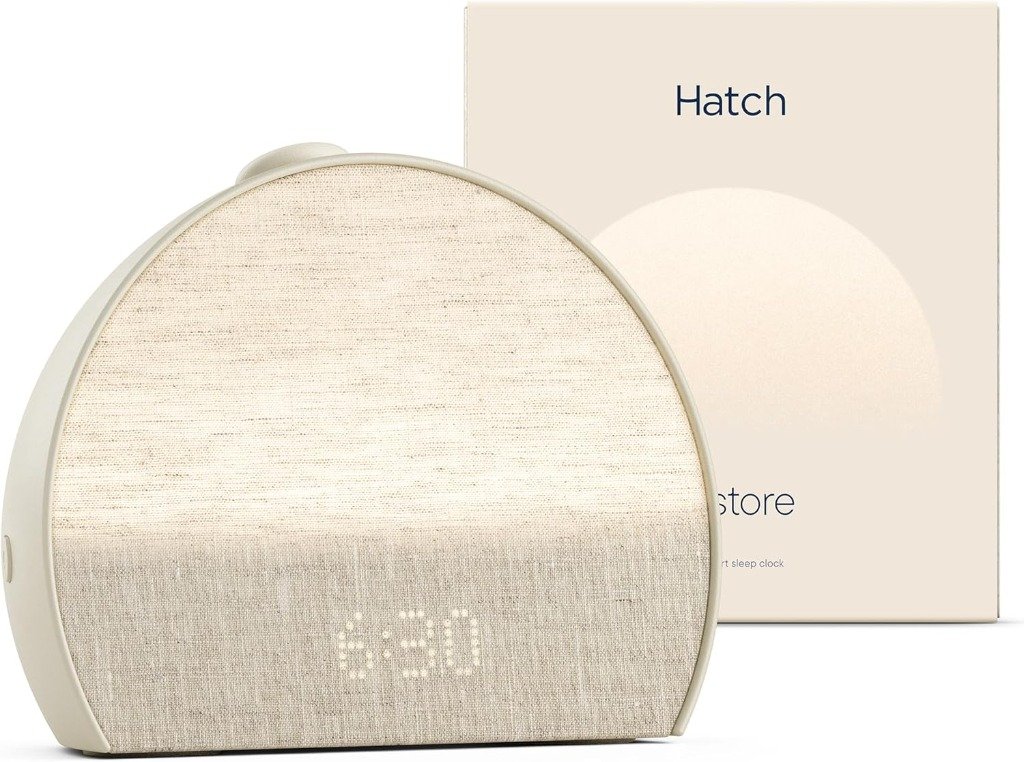
Hatch Restore 3 — Putty
Best for
People building a phone-free wind-down and wake routine who want light, sound and alarm scheduled as one thing.
What it does well
- Light and sound are scheduled together in one bedtime and wake routine, which is the whole point of the category
- A large physical button and clock-face controls mean the phone stays out of the bedroom after set-up
Trade-offs
- Set-up requires the app, Wi-Fi and — per Hatch's own support pages — starting a free Hatch+ trial you then have to cancel
- Hatch+ ($4.99 a month or $49.99 a year per Hatch) is where the larger sound library, stories and meditations live
-
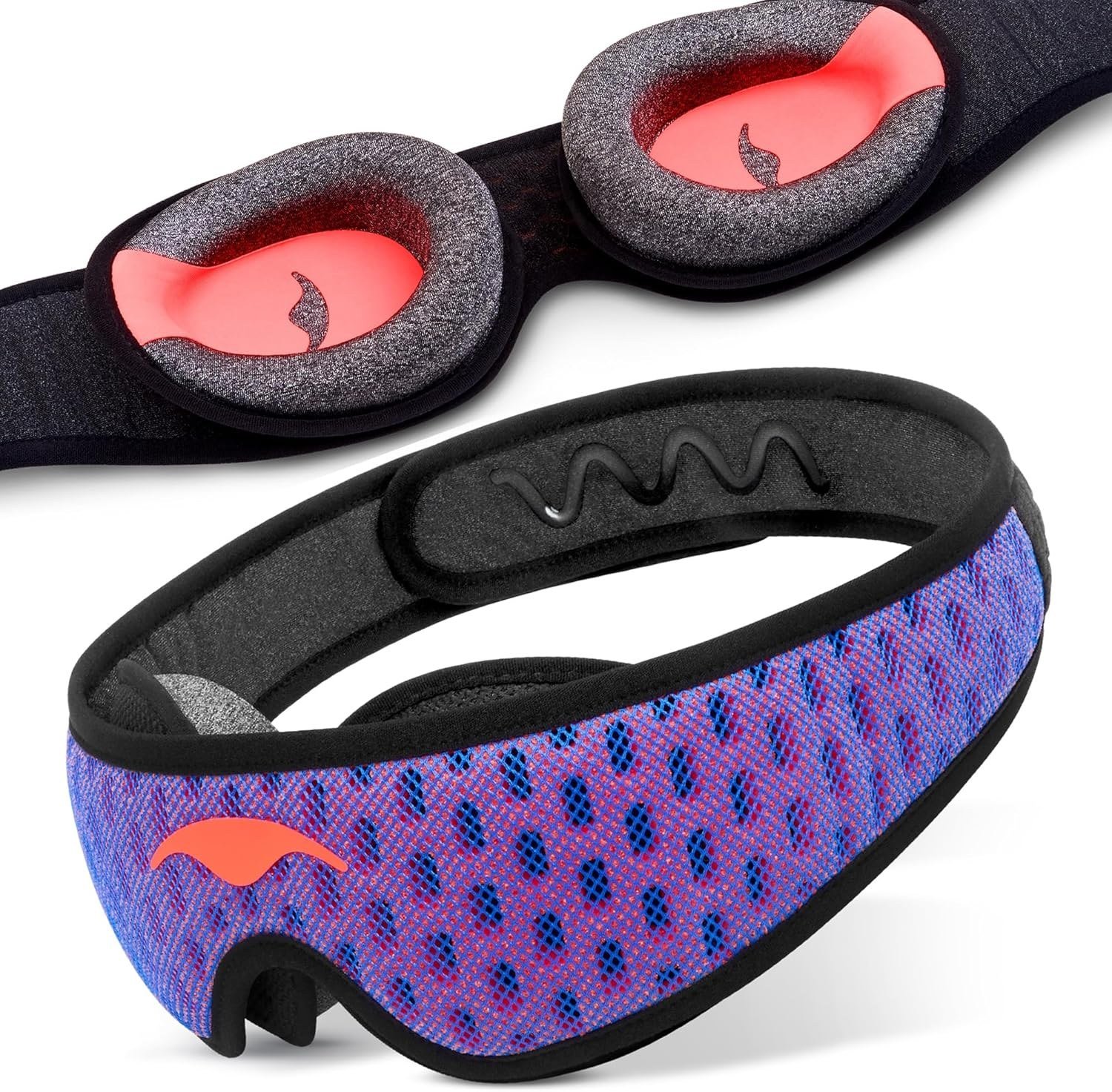
Manta PRO Sleep Mask
Best for
Side sleepers, shift workers and anyone whose flat masks leak light at the nose — people who will trade some bulk for a seal they can adjust.
What it does well
- Eye cups reposition along the strap, so the seal follows your face instead of a fixed average
- Deep cups leave a hollow in front of the eyes — you can blink freely, which matters during REM
Trade-offs
- Noticeably bulkier than a flat silk mask; stomach sleepers who press into the pillow will feel it
- Priced at the top of the category — MZOO and Nidra deliver a similar blackout for less
-
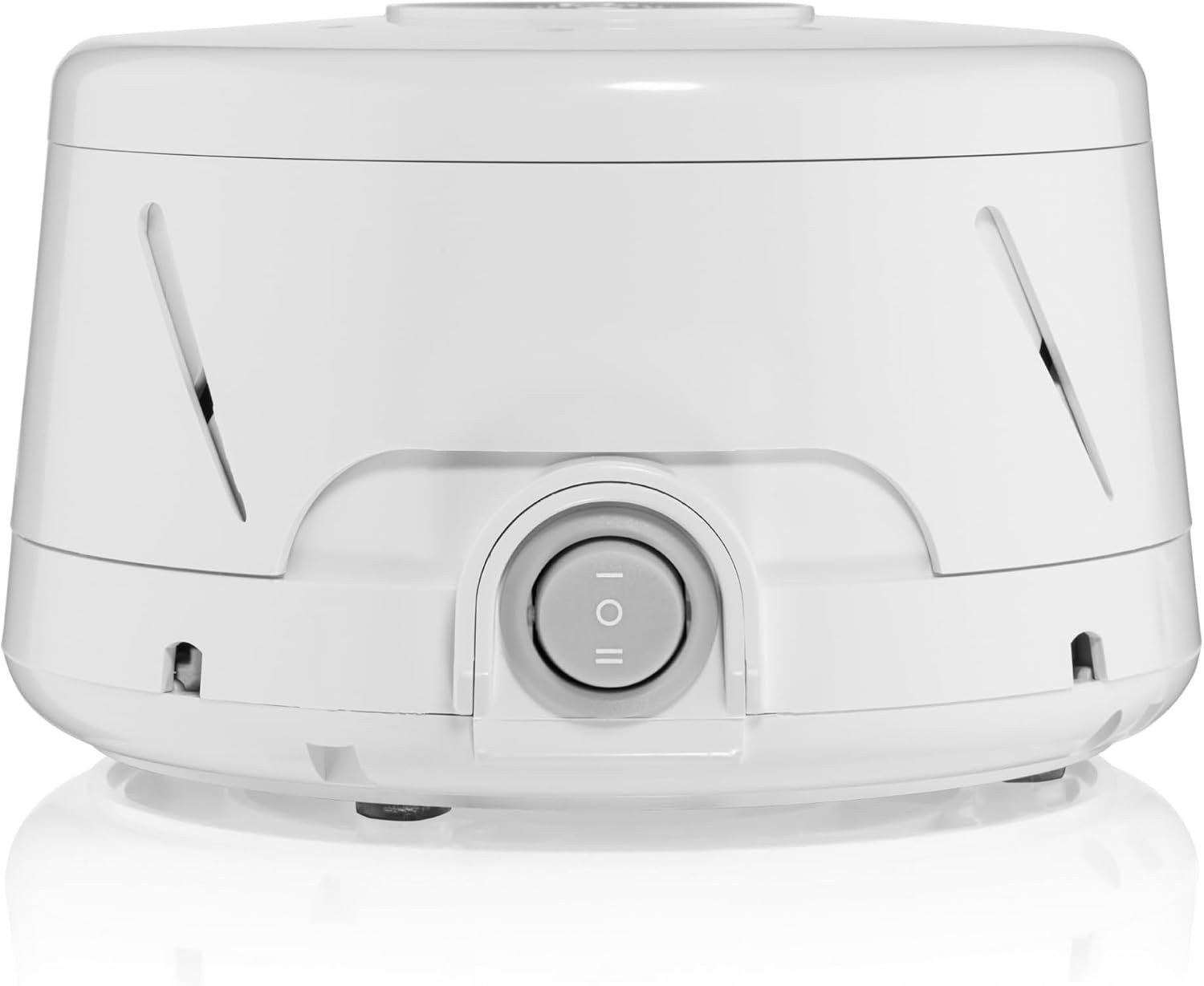
Yogasleep Dohm Classic White-Noise Machine — White
Best for
People in ordinary bedrooms who want the softest, most natural masking sound and no technology.
What it does well
- Sound comes from moving air, so it cannot loop and has the soft texture people associate with a real fan
- Two speeds plus a twist-to-adjust housing give more tonal range than the single dial suggests
Trade-offs
- A small fan has a hard volume ceiling; it will not cover heavy traffic or loud snoring
- Mains power only — no battery and no USB
-

Loop Dream Sleep Earplugs — Black
Best for
Side sleepers sharing a bed with a snorer, and anyone who has taken foam plugs out at 1 a.m. because they ached.
What it does well
- Slim body sits inside the ear rather than proud of it, so the pillow does not push it in
- 27 dB SNR (listing) takes soft sounds below audibility and turns a snorer into a murmur
Trade-offs
- Fit is the whole product and it is individual; a tip that seals for one ear leaks for another
- Costs far more up front than a box of foam plugs
-
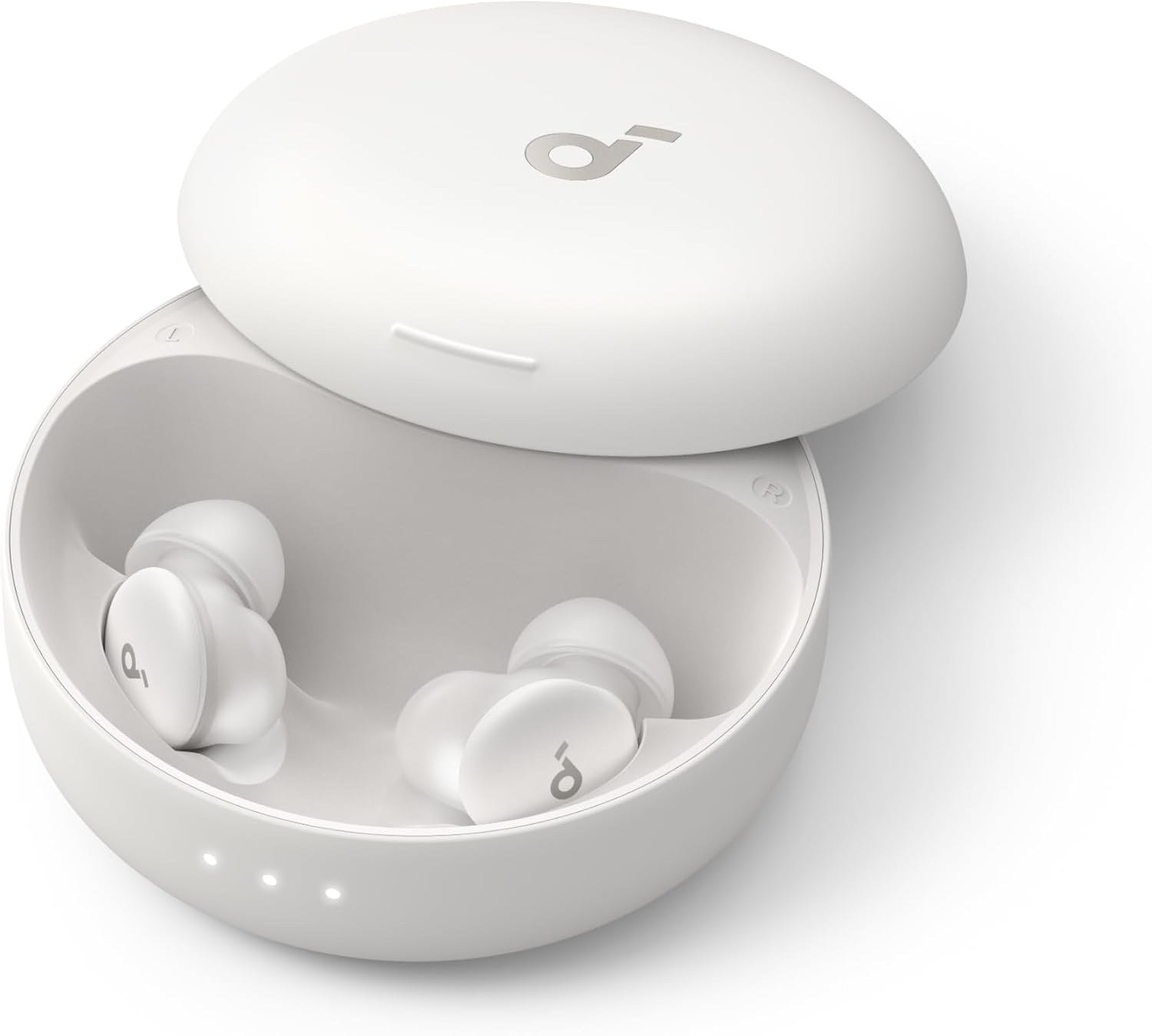
Soundcore Sleep A30 by Anker
Best for
Side sleepers with a snoring partner who want blocking, masking and audio in one device and will keep it charged.
What it does well
- Passive seal plus active cancellation tackles low, steady sounds that plugs alone reduce least
- Adaptive snore masking: the case listens and the buds raise masking audio when snoring starts, per Soundcore
Trade-offs
- A device to charge every day; a flat bud at 3 a.m. is a plug that does nothing
- Stated 8–10 hours per charge falls with ANC, Bluetooth streaming and volume — Soundcore's own figures range from about 6 hours streaming with ANC to longer on local audio
Place one product beside the relevant lighting, sound, and blackout steps; show the full routine before the sales block.
Phase 2: Somatic Therapy and Physical Decompression (Minutes 10-20)
With the digital world shut away and your environment optimized, the next ten minutes focus deeply on the physical body. Anxiety and stress are not just experienced in the mind as abstract concepts; they are stored in the body as chronic muscle tension, shallow chest breathing, and an elevated heart rate.
Somatic therapy focuses on the mind-body connection, utilizing physical interventions to influence psychological states. Since the anxious mind often cannot reason itself out of anxiety, we must use the body to calm the mind.
#### Engaging the Vagus Nerve The vagus nerve is the superhighway of the parasympathetic nervous system. It wanders from the brainstem down through the neck, chest, and into the abdomen, connecting the brain to the heart, lungs, and digestive tract. Stimulating the vagus nerve is the fastest, most effective way to lower heart rate, reduce blood pressure, and induce a state of physiological calm.
Gentle somatic stretching and mobility work is an excellent way to achieve this. During this 10-minute block, get on the floor and focus on stretches that open the chest (reversing the hunched posture of sitting at a desk) and release the psoas muscle. The psoas, often called the "muscle of the soul," connects the lower spine to the hips and is notorious for gripping and storing trauma and stress. Gentle yoga poses like Child's Pose, Cat-Cow, or a supported bridge pose send profound signals of safety up the vagus nerve to the brain.
#### Deep Touch Pressure and Grounding Another highly effective somatic intervention is Deep Touch Pressure (DTP) therapy. DTP involves applying gentle, evenly distributed weight across the body. This mimics the sensation of being held, hugged, or swaddled—experiences that are universally recognized by the mammalian nervous system as indicators of safety and maternal care.
The applied pressure stimulates the release of neurotransmitters like serotonin (which promotes well-being and is a precursor to melatonin) and dopamine, while simultaneously driving down the production of the stress hormone cortisol.
Integrating a high-quality weighted blanket into your wind-down environment provides immediate grounding. The weight provides proprioceptive input to the brain, orienting it safely in space and dramatically reducing the physical restlessness and leg-twitching often associated with hyperarousal. When selecting a weighted blanket, opt for breathable materials to prevent the overheating issues discussed earlier.
#### Somatic Vibration Therapy For individuals whose nervous systems are highly dysregulated—those who have suffered from insomnia for years, or who carry significant trauma—traditional relaxation techniques like meditation or stretching might feel inaccessible or even triggering. This is where advanced neurotechnology can bridge the gap.
Wearable devices that deliver specific, targeted vibrational frequencies can speak directly to the nervous system through the skin's touch receptors, bypassing the conscious mind's resistance entirely. These gentle, inaudible sound waves applied directly to the body (such as on the wrist or ankle) mimic the frequencies of natural, soothing rhythms (like a mother's heartbeat or the purr of a cat). This signals profound safety to the brain, effectively forcing the shift from sympathetic fight-or-flight into parasympathetic rest-and-digest.
Using this kind of passive somatic technology during the second phase of your wind-down routine can rapidly accelerate the physiological deceleration process, doing the heavy lifting of relaxation for you when you are too exhausted to meditate.
Phase 3: Cognitive Deactivation and Breathing Pacemakers (Minutes 20-30)
The final ten minutes of the routine occur in bed. The physical body is relaxed, the environment is optimized, and the nervous system is primed for sleep. The goal now is to gently lower the cognitive gears, providing a soft landing pad for the mind without inducing performance anxiety if sleep doesn't happen instantly.
#### Bibliotherapy: Escaping the Anxious Mind One of the most effective ways to quiet an overactive, inward-focused mind is to give it a low-stakes outward distraction. Reading a physical book (crucially, *not* an e-reader that emits blue light) forces the brain to focus on a narrative outside of its own rumination.
Many people ask, does reading before bed help you sleep? The answer is unequivocally yes, provided the content is appropriate. The genre you choose is vital. Avoid fast-paced thrillers, complex non-fiction, political commentary, or productivity-focused self-help books. These will only stimulate the intellect and reignite the sympathetic nervous system.
Opt for gentle fiction, history, poetry, or philosophy—something engaging enough to hold your attention and distract you from your own thoughts, but not so gripping that you suffer from "just one more chapter" syndrome. Read under a dim, warm-toned bedside lamp. As your eyes scan the page, you will naturally begin to feel the heaviness of sleep pressure building.
#### Breathing Pacemakers: The Final Descent As you close your book and turn off your reading light, the final hurdle is the descent into unconsciousness. For severe insomniacs, lying in the dark often triggers a conditioned spike in anxiety. The bed has become a battleground. Intrusive thoughts creep in: "Will I sleep tonight?" "How many hours do I have left before my alarm?" "If I don't sleep, tomorrow will be ruined."
To counter this panic, you must anchor your attention entirely to your breath. However, unguided deep breathing can sometimes backfire. Focusing too intently on your own respiration can cause hyperventilation, or paradoxically increase your focus on your inability to sleep.
Using a breathing pacemaker—a specialized device that projects a soft, rhythmic, expanding and contracting light onto the ceiling—provides both a hypnotic visual anchor and a precise breathing tempo. You synchronize your inhales as the halo of light expands, and your exhales as it retracts.
By syncing your breath to the slowly decelerating light, you naturally and effortlessly slow your respiration rate down to around 6 breaths per minute. This specific frequency is a biological magic trick: it maximally stimulates the baroreflex (the body's blood pressure regulation system), optimizing cardiovascular efficiency and powerfully, physically engaging the parasympathetic nervous system.
It acts as a hypnotic focal point, drawing attention away from intrusive thoughts and gently guiding the brainwaves down from Beta, through Alpha, and finally into the restorative Delta waves of deep sleep. It gives your mind a simple, repetitive task to follow into the dark.
Embracing Imperfection: The Long Game of Sleep Repair
Overcoming chronic insomnia is not about finding a magic pill or a quick fix; it is about fundamentally rebuilding a broken relationship with your nervous system. By implementing this scientifically grounded, 30-minute wind-down routine, you are taking proactive, daily steps to dismantle the hyperarousal state.
Remember, consistency is the bedrock of success. Neuroplasticity—the brain's ability to rewire itself—takes time. Your brain has likely spent years learning to associate the bed with anxiety and wakefulness. It needs time to unlearn that association and build a new one based on safety and relaxation.
The first few nights, or even the first few weeks, you practice this routine, you may still struggle to fall asleep. Do not view this as a failure. Frustration is the enemy of sleep. You are currently in the process of training your biology, laying down the neural pathways of rest. Commit to the process: disconnect completely from digital tethers, engage in physical and somatic decompression, and utilize cognitive offloading and breathing pacemakers to guide your mind.
If you wake up in the middle of the night, do not check the clock. Simply return to the breathing exercises or read a few pages of your book under dim light. With patience, profound self-compassion, and relentless repetition, you will teach your nervous system that the night is a place of safety. You will gently crush insomnia and, eventually, rediscover the deep, restorative rest your body craves and deserves.
Join the conversation
Questions and experiences are welcome. Every comment is read by a person before it appears, and your email address is never published.
No comments yet — yours would be the first.