
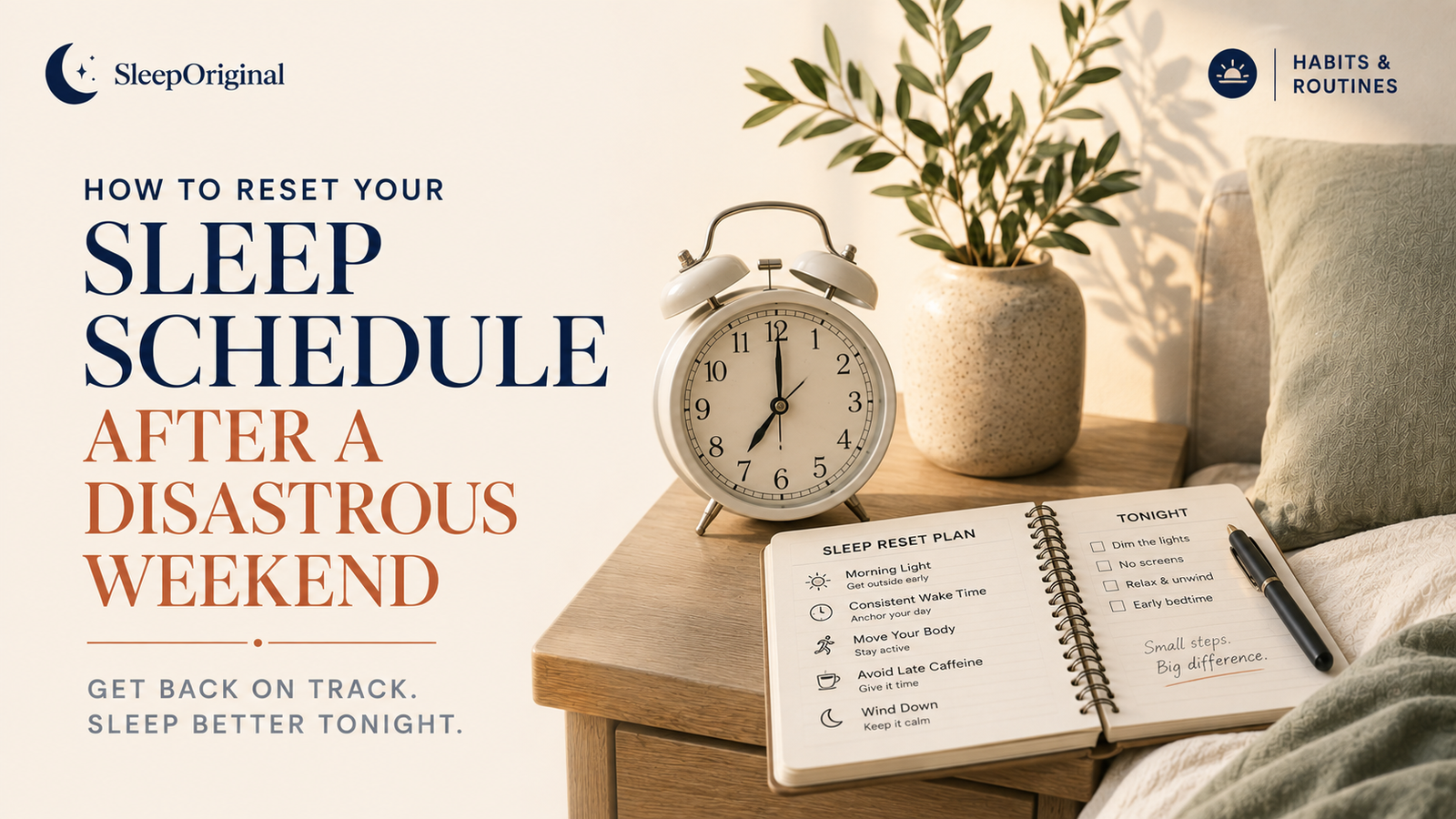
It happens to the best of us: you spend the entire week meticulously adhering to a strict sleep-wake schedule, ensuring you get those critical eight hours of restorative slumber and maintaining a perfect routine. Then, the weekend arrives. Friday night bleeds into Saturday morning, Saturday evening is spent out late at social gatherings, and by Sunday afternoon, you find yourself waking up at an hour when you would typically be having lunch or even later. As Sunday evening approaches, a familiar sense of dread washes over you—the dreaded "Sunday Scaries" amplified by the stark realization that your circadian rhythm is entirely out of sync with the demands of the upcoming workweek. This phenomenon, often referred to as "social jetlag," can leave you feeling as though you've crossed multiple time zones without ever leaving your city. The exhaustion, brain fog, and irritability that follow are not merely psychological constructs; they are physiological manifestations of a profound misalignment between your body's internal clock and the external environment. Resetting your sleep schedule after a disastrous weekend is not simply a matter of forcing yourself into bed early on Sunday night. In fact, attempting to sleep when your body's biological clock is signaling wakefulness can lead to hours of tossing and turning, exacerbating the problem and increasing anxiety. To effectively recalibrate your circadian rhythm, it requires a strategic, science-backed approach that targets the core biological mechanisms governing sleep and wakefulness. By understanding how environmental cues, such as light exposure, meal timing, and behavioral interventions, influence your suprachiasmatic nucleus (SCN)—the brain's master clock—you can systematically shift your sleep phase back to its optimal state. This comprehensive guide will look closely at the biology of circadian rhythms, exploring the intricate processes of phase delays and advances, the crucial role of external zeitgebers, and practical, step-by-step strategies to aggressively and effectively reset your sleep schedule, ensuring you wake up on Monday morning feeling refreshed, focused, and ready to conquer the week ahead.
The Biology of Social Jetlag
To fully comprehend the magnitude of what occurs when you stay up late over the weekend, we must first examine the fundamental biology of social jetlag and how it impacts the human organism. The human body operates on a roughly 24-hour cycle known as the circadian rhythm. This complex system is governed primarily by the suprachiasmatic nucleus (SCN), a tiny region consisting of approximately 20,000 neurons located in the hypothalamus, directly above the optic chiasm. The SCN acts as the master pacemaker, coordinating a vast network of peripheral clocks situated in almost every tissue, organ, and cell throughout the body. Under normal circumstances, this intricate timekeeping system aligns your physiological processes—including core body temperature fluctuations, hormone secretion (such as cortisol for waking and melatonin for sleeping), and cellular metabolism—with the external day-night cycle. When you dramatically alter your sleep-wake times on Friday and Saturday nights, you are essentially inducing a state of acute circadian misalignment. Unlike travel jetlag, which is caused by crossing physical time zones and geographical boundaries, social jetlag is driven entirely by behavioral choices that conflict with your natural biological clock. By staying awake late into the night and exposing your eyes to artificial light from screens and bulbs, you suppress the natural release of melatonin, the hormone responsible for signaling to your body that it is time to wind down and sleep. Furthermore, by sleeping in late the following morning to compensate for the lost hours, you deprive your SCN of the early morning light exposure it desperately requires to anchor your circadian rhythm to the new day. This discrepancy between your internal biological time and external social time forces your body into a state of physiological stress and confusion. Research has consistently demonstrated that chronic social jetlag is associated with a myriad of negative health outcomes, including an increased risk of metabolic syndrome, cardiovascular disease, obesity, gastrointestinal distress, and severe mood disorders like depression and anxiety. Even a single weekend of severe misalignment can significantly impair cognitive function, reduce insulin sensitivity, and disrupt the delicate balance of the autonomic nervous system. The lethargy, grogginess, and brain fog you experience on Monday morning are the direct result of your biological systems operating completely out of sync. Your digestive system may be primed for rest while you are forcing down a rushed breakfast, and your cognitive faculties may still be in a state of deep sleep inertia when you are expected to perform complex, demanding tasks at your workplace. Understanding this complex biological underpinning is the first and most crucial step in addressing the problem; it shifts the focus from simple willpower and frustration to strategic, scientifically sound interventions designed to realign the SCN and peripheral clocks through targeted environmental and behavioral cues.
Phase Delay vs. Phase Advance: Realigning the SCN
When it comes to effectively resetting a disrupted sleep schedule, it is absolutely essential to understand the core chronobiological concepts of circadian phase delay and phase advance. The circadian system is not a rigid, inflexible mechanism; it is highly dynamic and capable of adjusting its timing in response to environmental stimuli, primarily driven by light exposure. This shifting of the circadian phase is governed by what chronobiologists refer to as the phase response curve (PRC) to light. A phase delay occurs when the circadian rhythm is pushed later in time, moving your biological night further into the actual night and morning. This is typically what happens over the course of a free-spirited weekend. When you stay up late and expose yourself to bright light (especially short-wavelength blue light from digital screens and modern lighting) in the evening and early part of the night, your SCN interprets this specific light signal as an indication that the day is still ongoing. Consequently, the release of melatonin is strongly suppressed, and your biological night is delayed by several hours. This makes it incredibly difficult to fall asleep at your normal time the following night and equally challenging to wake up early the next morning without feeling utterly exhausted. Conversely, a phase advance involves shifting the circadian rhythm earlier in time, which is exactly what you need to accomplish when recovering from a weekend of late nights and erratic sleep patterns. Achieving a successful phase advance requires a precise understanding of the PRC. To advance your internal clock, you must deliberately expose your eyes to bright light during the early morning hours, shortly after your core body temperature minimum (which typically occurs about two to three hours before your natural wake time). This crucial morning light exposure sends a robust, unambiguous signal to the SCN to reset the entire circadian cycle to an earlier point, pulling your biological night back into alignment with your desired sleep-wake schedule for the workweek. The difficulty lies in the fact that it is biologically much easier for human beings to delay our circadian rhythms than to advance them. The natural human circadian period is slightly longer than 24 hours (averaging around 24.2 hours for most adults). Therefore, our bodies have a natural, inherent tendency to drift later and later if they are not consistently anchored by morning light every single day. To successfully execute a necessary phase advance on a Sunday, you cannot simply rely on the flawed strategy of going to bed earlier; your body will not be prepared for sleep because its biological night has not yet begun, leading to insomnia and frustration. Instead, you must aggressively manipulate both ends of the sleep-wake cycle: strictly avoiding light in the evening to prevent any further phase delay, and aggressively seeking out bright light in the morning to forcefully trigger a phase advance. This dual, coordinated approach is the most effective biological strategy for realigning the SCN and resetting your internal master clock after a weekend of severe circadian disruption.
The Role of Morning Light Exposure in Circadian Shifts
The absolute single most powerful tool at your disposal for resetting your sleep schedule and inducing a critical phase advance is light, specifically properly timed morning light exposure. The human circadian system is intricately linked to the visual system in a very specific way. Within the retina of the human eye, there is a specialized subset of photoreceptors called intrinsically photosensitive retinal ganglion cells (ipRGCs). Unlike rods and cones, these unique cells do not contribute to image formation or vision; rather, they are specifically designed to detect the overall intensity and wavelength of environmental light. The ipRGCs are most highly sensitive to short-wavelength blue light (peaking around 480 nanometers), which is highly concentrated in natural, unadulterated sunlight. When these specific cells detect bright morning light, they send direct neural signals via the retinohypothalamic tract directly to the suprachiasmatic nucleus (SCN). This potent signal triggers a massive cascade of neurochemical events throughout the brain and body. It immediately halts any residual melatonin production from the previous night, stimulates the rapid release of cortisol to increase alertness and mobilize energy stores, and, most importantly, resets the master clock to an earlier time, driving the necessary phase advance. To maximize this phase-advancing effect, the timing, intensity, and duration of the light exposure are incredibly critical variables. The most effective time to seek light is immediately upon waking, ideally within the first 30 to 60 minutes after opening your eyes. Natural outdoor sunlight is by far the superior source, as it provides an intensity (measured in lux) that far exceeds any typical indoor lighting. Even on an overcast, cloudy day, outdoor ambient light can easily range from 1,000 to 10,000 lux, whereas standard indoor home or office lighting often maxes out at a mere 200 to 500 lux. However, relying solely on natural sunlight can be challenging or impossible, particularly during the dark winter months or for individuals whose work schedules require them to wake long before dawn. In these situations, artificial light therapy becomes an absolute indispensable tool for circadian management. Utilizing a high-quality, specialized light therapy device that effectively simulates the intensity and spectrum of natural sunlight can successfully mimic the phase-advancing signals required by the SCN. For a seamless and highly effective integration of light therapy into your morning routine, incorporating a sunrise alarm clock can be incredibly beneficial. For example, using the [[PRODUCT:philips-smartsleep-wake-up-light-hf352060]] provides a scientifically validated, gradual increase in light intensity that perfectly mimics a natural sunrise. This device gently stimulates the ipRGCs through your closed eyelids and initiates the circadian phase advance even before you are fully conscious and awake. This gradual exposure helps to drastically reduce the severity of sleep inertia (that groggy morning feeling) and provides the necessary lux intensity to reset the SCN effectively without requiring you to sit in front of a glaring light box. Whether achieved through intentional natural sunlight exposure or sophisticated, high-quality light therapy devices, prioritizing bright light exposure immediately upon waking is the fundamental biological intervention unequivocally required to overcome the circadian delay induced by a disastrous weekend.
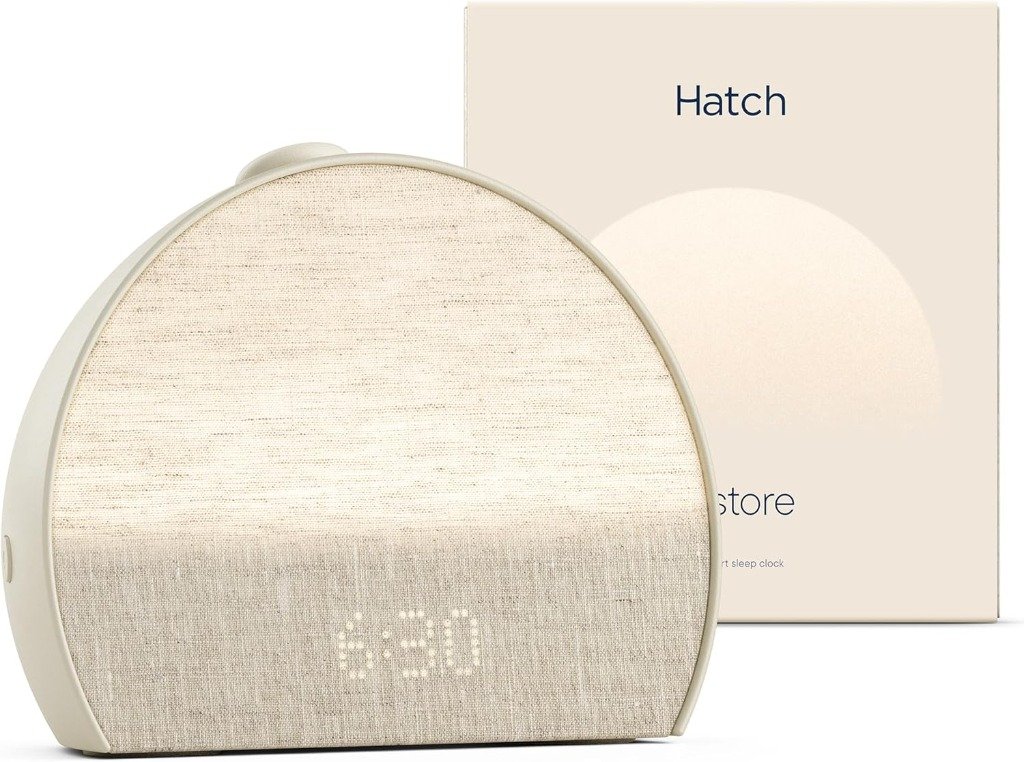
Hatch Restore 3 — Putty
The Hatch Restore 3 combines a colour sunrise/sunset light, a sound library and a phone-free clock face with a large snooze/off button. Set-up needs the Hatch app and Wi-Fi; nightly use does not. Around forty sounds, routines and alarms are free; Hatch+ adds more content for a monthly fee. It suits people building a phone-free bedtime and wake routine who want light and sound scheduled together. It is not a tracker, and the subscription is easy to sign up for during set-up.
Wake-time anchor block
Make the new wake time easier to repeat, including on dark mornings.
-
Philips SmartSleep Wake-Up Light HF3520/60
Best for
People who wake in the dark and want a bright, gradual light before the alarm, with nothing to set up or subscribe to.
What it does well
- A published brightness — 300 lux at the top of 20 settings — which neither Hatch nor Loftie states
- A 30-minute coloured sunrise that reaches full brightness before the sound, which is the whole idea of a wake light
Trade-offs
- A design that predates the current generation: the display and menus feel dated
- Five nature sounds and FM radio only — no white-noise library, no Bluetooth
-
Hatch Restore 3 — Putty
Best for
People building a phone-free wind-down and wake routine who want light, sound and alarm scheduled as one thing.
What it does well
- Light and sound are scheduled together in one bedtime and wake routine, which is the whole point of the category
- A large physical button and clock-face controls mean the phone stays out of the bedroom after set-up
Trade-offs
- Set-up requires the app, Wi-Fi and — per Hatch's own support pages — starting a free Hatch+ trial you then have to cancel
- Hatch+ ($4.99 a month or $49.99 a year per Hatch) is where the larger sound library, stories and meditations live
-
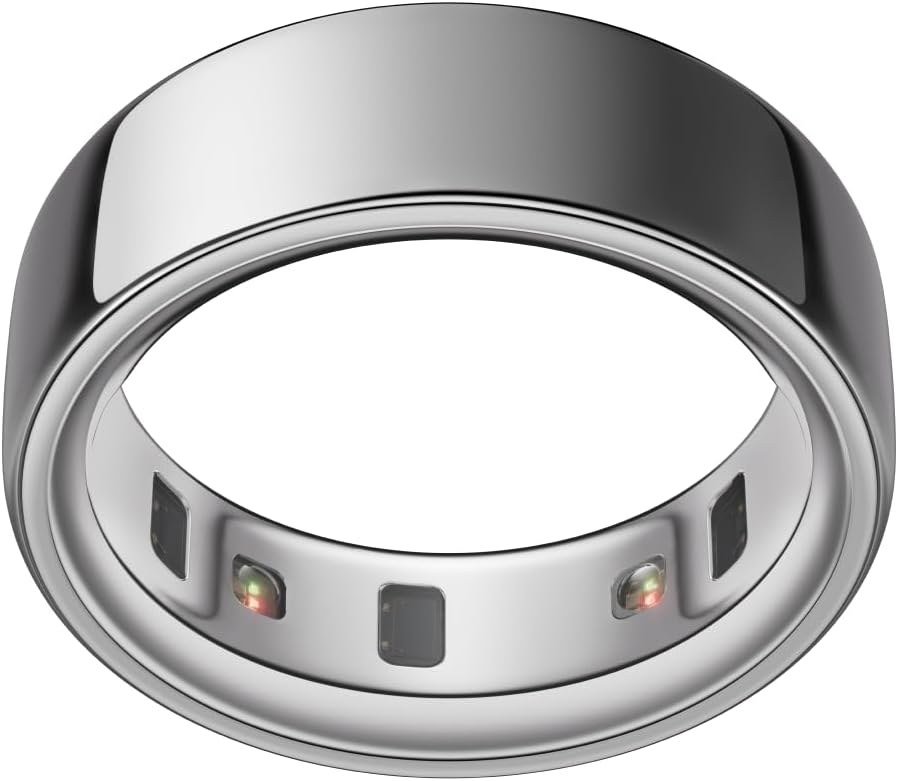
Oura Ring 4
Best for
People who want long-term sleep and recovery trends without a screen on the wrist, and who will keep a membership.
What it does well
- No screen and no buzzing: nothing on the wrist to glance at when you wake at 3 a.m.
- Five to eight days per charge (Oura), so it is worn to bed every night rather than left on a charger
Trade-offs
- Membership: $5.99 a month or $69.99 a year per Oura; without it the app is restricted
- Sleep-stage estimates from a finger are estimates — useful for trends, not a diagnosis of anything
After the fixed wake-time step; show tracking only after the complete reset plan.
Strategic Fasting to Reset Peripheral Clocks
While light is undoubtedly the primary zeitgeber (time-giver) for the master clock located in the SCN, it is absolutely not the only factor that influences the complex circadian system. Food intake, specifically the precise timing of meals and fasting periods, serves as a profoundly powerful zeitgeber for the myriad of peripheral clocks located throughout the body, including vital organs like the liver, pancreas, heart, and skeletal muscle tissues. When you stay up late over the weekend, you almost invariably alter your eating patterns, consuming heavy meals, alcohol, or snacks late into the night and subsequently delaying breakfast the following morning. This erratic eating schedule causes the peripheral clocks to become dangerously desynchronized from the SCN, exacerbating the overall physiological chaos and metabolic disruption of social jetlag. The SCN in your brain may be receiving light signals indicating one specific time of day, while your digestive system and liver are receiving food-based signals indicating an entirely different time. To effectively and comprehensively reset your sleep schedule, you must realign both the central master clock and the entire network of peripheral clocks. This can be successfully achieved through a highly effective technique known as circadian fasting or strict time-restricted eating. The concept is based on the undeniable biological reality that the human digestive system is not designed to process food continuously around the clock; it requires extended periods of rest to perform essential maintenance and repair. By imposing a strict fasting window, particularly in the late afternoon and evening, you send a clear, undeniable physiological signal to the peripheral tissues that the biological day has officially ended and it is time to prepare for rest, hormone regulation, and cellular repair. To optimally utilize fasting as a therapeutic tool for a Sunday night circadian reset, you should aim for a continuous fasting window of at least 12 to 14 hours overnight. The absolutely most critical aspect of this strategy is establishing a very early and unwavering cut-off time for all food consumption. On Sunday, you must aim to consume your final meal of the day no later than 6:00 PM or, at the latest, 7:00 PM. This intentionally early dinner ensures that the complex, energy-intensive processes of digestion are largely completed long before your intended bedtime. Digestion requires significant metabolic energy and actively increases your core body temperature, both of which are highly counterproductive to sleep onset, which biologically requires a distinct drop in core body temperature to initiate deep sleep phases. By fasting throughout the evening hours, you allow your core body temperature to decline naturally and unimpeded, significantly facilitating the smooth transition into sleep. Furthermore, fasting completely overnight prepares the peripheral clocks for a strong, resetting signal the following morning. When you finally break your fast on Monday morning with a nutrient-dense, high-protein breakfast, you provide a potent, immediate timing cue to the liver and metabolic systems, rapidly synchronizing them with the light-induced signals currently being processed by the SCN. This dual, coordinated approach—using bright light to reset the master clock in the brain and precise food timing to reset the peripheral clocks in the body—creates a massive synergistic effect, rapidly realigning the entire circadian network and dramatically improving your ability to wake up on Monday feeling energized, metabolically synchronized, and ready to focus.
A Step-by-Step Recovery Plan for Sunday Night
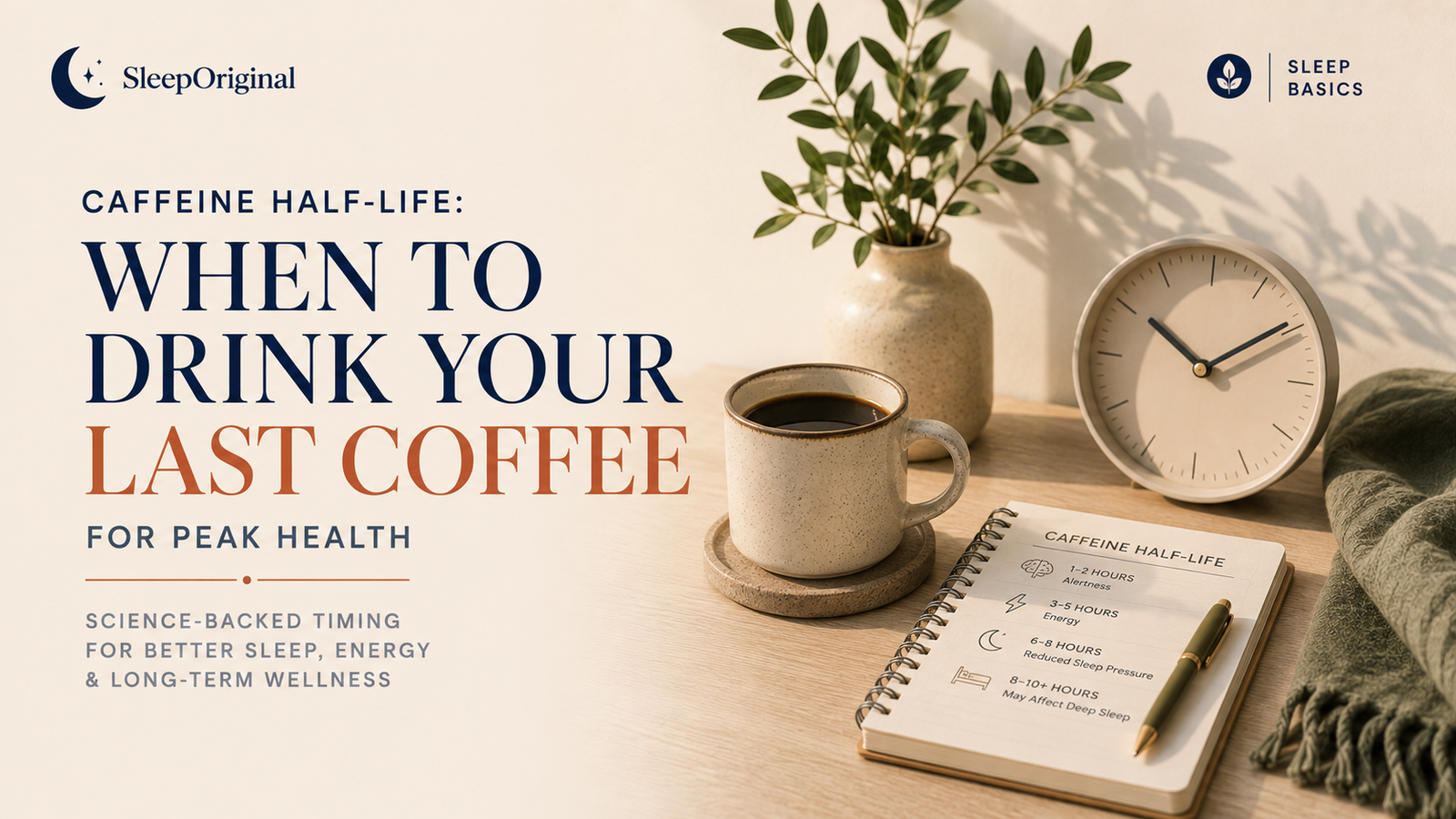
Successfully resetting a significantly disrupted sleep schedule after a disastrous weekend requires a highly methodical, multi-pronged approach executed diligently throughout the entire day on Sunday. You absolutely cannot wait until Sunday evening to begin the recovery process; the physiological interventions must start the very moment you wake up. Here is a comprehensive, biologically rigorous step-by-step recovery plan designed to aggressively force a circadian phase advance and fully prepare your body for a deeply restorative night of sleep. Step one begins on Sunday morning: regardless of how incredibly late you stayed up on Saturday night, or how tired you feel, you must force yourself to wake up at a reasonable hour—ideally no more than one hour later than your typical, strict weekday wake time. This will undoubtedly be difficult, and you will feel acutely sleep-deprived, but sleeping in will only further delay your circadian phase and guarantee a miserable Monday. Step two is immediate, high-intensity light exposure. The absolute moment your alarm goes off, you must flood your visual system with light to halt melatonin. If the sun is up, go outside immediately for at least 30 to 45 minutes of brisk walking. If it is dark, utilize a high-intensity light therapy device as previously discussed. This robust light signal is completely non-negotiable for initiating the master clock reset process. Step three involves strategic, limited caffeine consumption. You may use caffeine to combat the inevitable, heavy sleepiness during the morning, but you must establish a strict, unwavering cut-off time of 12:00 PM (noon). The half-life of caffeine is approximately five to six hours, meaning that consuming it late in the day will leave significant, sleep-disrupting levels of the stimulant in your nervous system by bedtime, severely impairing your ability to fall asleep and reducing deep sleep quality. Step four is targeted physical activity. Engaging in vigorous cardiovascular exercise during the late morning or early afternoon can help to elevate core body temperature, increase metabolic rate, and build homeostatic sleep drive (adenosine) later in the evening. However, you must absolutely avoid intense workouts within four to six hours of your target bedtime, as the sustained elevation in core body temperature and cortisol will directly interfere with sleep onset. Step five is the rigorous implementation of the circadian fasting protocol discussed earlier. Consume a balanced, easily digestible, early dinner and completely cease all caloric intake by 6:00 PM or 7:00 PM sharp. Step six focuses on ruthlessly controlling the light environment in your home during the evening. Beginning at least three to four hours before your desired bedtime, you must eliminate exposure to short-wavelength blue light. Dim all overhead lights, utilize warm-toned ambient lighting (amber or red bulbs are ideal), and strictly avoid all electronic screens (smartphones, tablets, computers, televisions). If screen use is absolutely unavoidable for work, you must wear high-quality, wrap-around blue-light-blocking glasses. This environmental darkness is essential to permit the natural, robust onset of melatonin secretion, signaling to your brain that the biological night has arrived. Finally, step seven is the dedicated pre-sleep routine. Approximately one hour before bed, engage in a relaxing, low-stimulation activity to lower autonomic nervous system arousal and reduce heart rate. This could involve taking a warm bath or shower (which paradoxically helps lower core body temperature rapidly upon exiting), reading a physical paper book under dim, warm light, or practicing deep breathing and mindfulness meditation. By systematically and rigorously applying these specific environmental and behavioral cues throughout the entirety of Sunday, you physically compel your circadian system to advance, creating the perfect biological conditions necessary to fall asleep effortlessly at the appropriate time and wake up fully synchronized and refreshed on Monday morning.
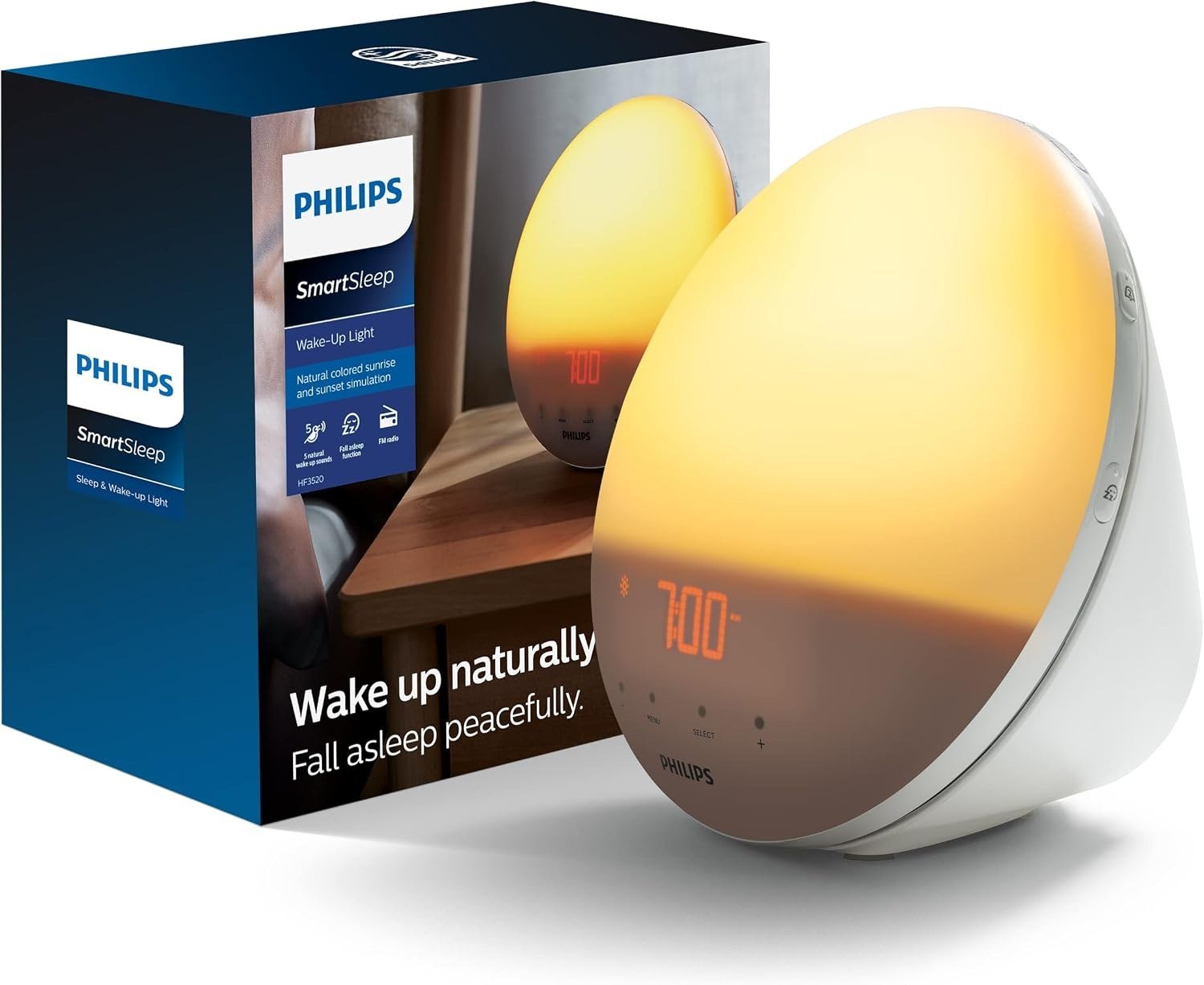
Philips SmartSleep Wake-Up Light HF3520/60
The Philips HF3520/60 is a dedicated wake-up lamp that brightens over 30 minutes through red, orange and yellow to a stated 300 lux, then plays one of five natural sounds or FM radio. It has a tap-to-snooze top, a sunset dimming mode and a reading-lamp function, and it needs no app. It suits people who want light as the wake cue and nothing to configure. It is an older design with a dated display and no white-noise library.
Conclusion
Resetting a deeply disrupted sleep schedule after a chaotic and disastrous weekend is a complex physiological challenge that demands far more than merely attempting to fall asleep early on Sunday evening. The modern phenomenon of social jetlag represents a profound, damaging misalignment between your biological master clock (the SCN), the intricate network of peripheral clocks throughout your organs, and the external demands of your social and professional life. By treating this significant misalignment as a biological puzzle rather than a simple failure of willpower or discipline, you can successfully deploy targeted, science-based strategies to force a necessary circadian phase advance. The absolute cornerstone of this recovery process relies on the aggressive and precise manipulation of environmental zeitgebers. Prioritizing intense, immediate morning light exposure is the single most potent signal available to reset the master clock in the brain, while strategic meal timing and strict evening fasting effectively synchronize the metabolic peripheral clocks in the body. Combined with rigorous, uncompromising control of your evening light environment to facilitate natural, robust melatonin production, these interventions create a powerful, undeniable synergistic effect. While the process of forcing a painful wake-up on Sunday morning and adhering to strict physiological protocols throughout the entire day requires significant discipline and effort, the ultimate reward is a highly synchronized, optimized biological system. By fully understanding and mastering these core circadian principles, you can effectively mitigate the damaging physical and cognitive effects of weekend sleep disruption, ensuring you transition into the workweek with restored cognitive clarity, immense physiological resilience, and the sustained energy required to perform at your absolute peak.

Join the conversation
Questions and experiences are welcome. Every comment is read by a person before it appears, and your email address is never published.
No comments yet — yours would be the first.