
Bedroom disruption audit
Check simple bedroom disruptions before changing your whole routine.
-
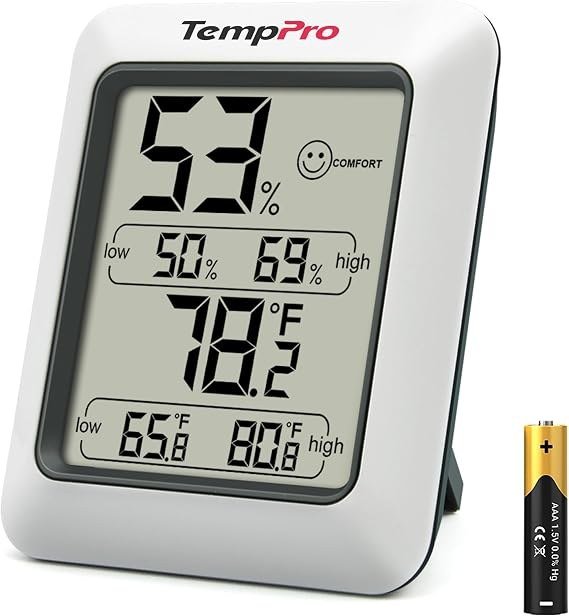
ThermoPro TP50 Temperature and Humidity Monitor
Best for
Anyone who wants to know the bedroom's temperature and humidity for the least money and without an app.
What it does well
- Stated accuracy of ±1°F and ±2–3% RH is more than enough to know whether a room is dry or hot
- No app, no account, no Wi-Fi — a number on a screen you can read from bed
Trade-offs
- No logging: you get the high and low, not when they happened
- The Amazon listing now shows the brand "TempPro (Previously ThermoPro)" — the product appears unchanged, but check the listing
-
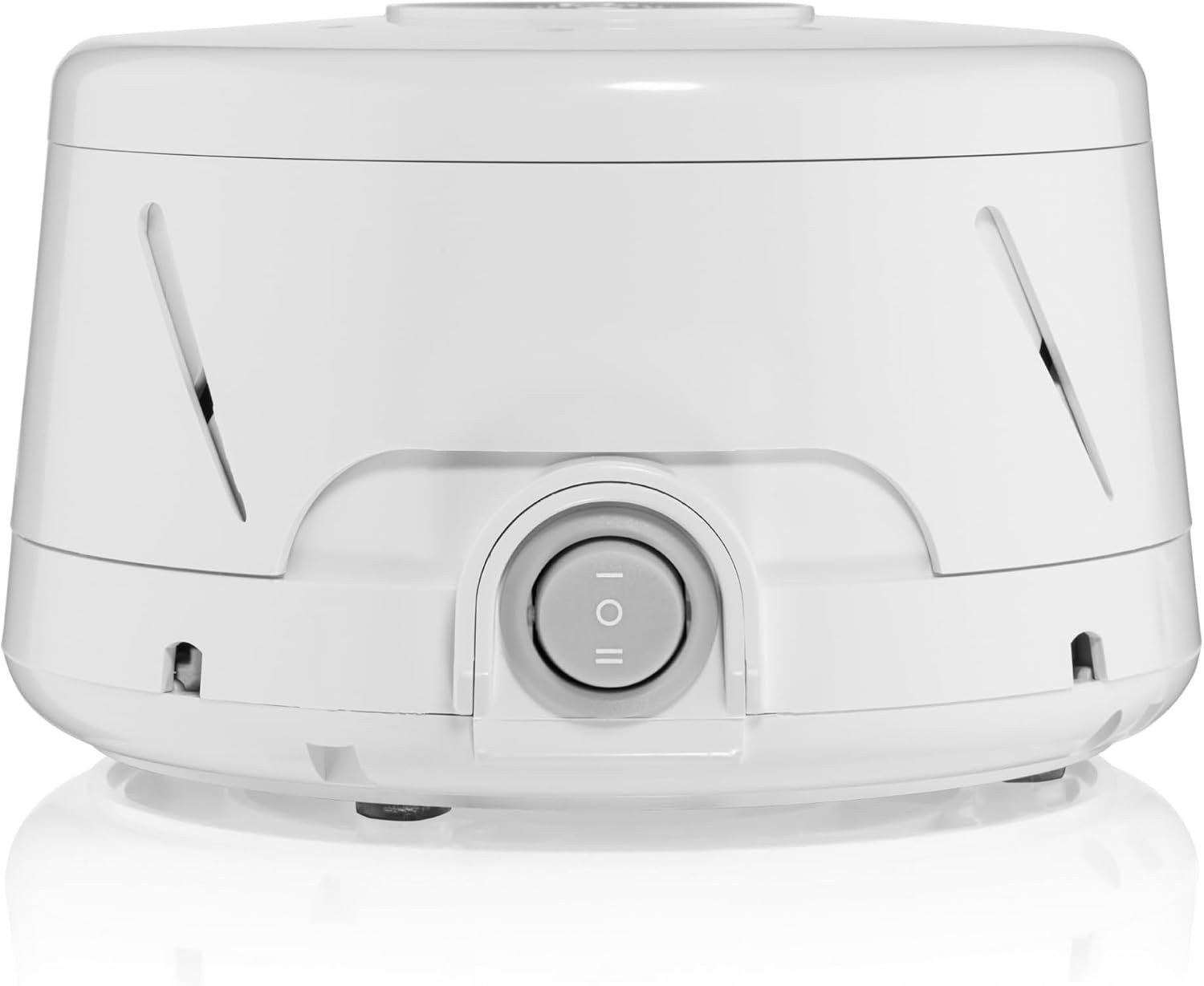
Yogasleep Dohm Classic White-Noise Machine — White
Best for
People in ordinary bedrooms who want the softest, most natural masking sound and no technology.
What it does well
- Sound comes from moving air, so it cannot loop and has the soft texture people associate with a real fan
- Two speeds plus a twist-to-adjust housing give more tonal range than the single dial suggests
Trade-offs
- A small fan has a hard volume ceiling; it will not cover heavy traffic or loud snoring
- Mains power only — no battery and no USB
-
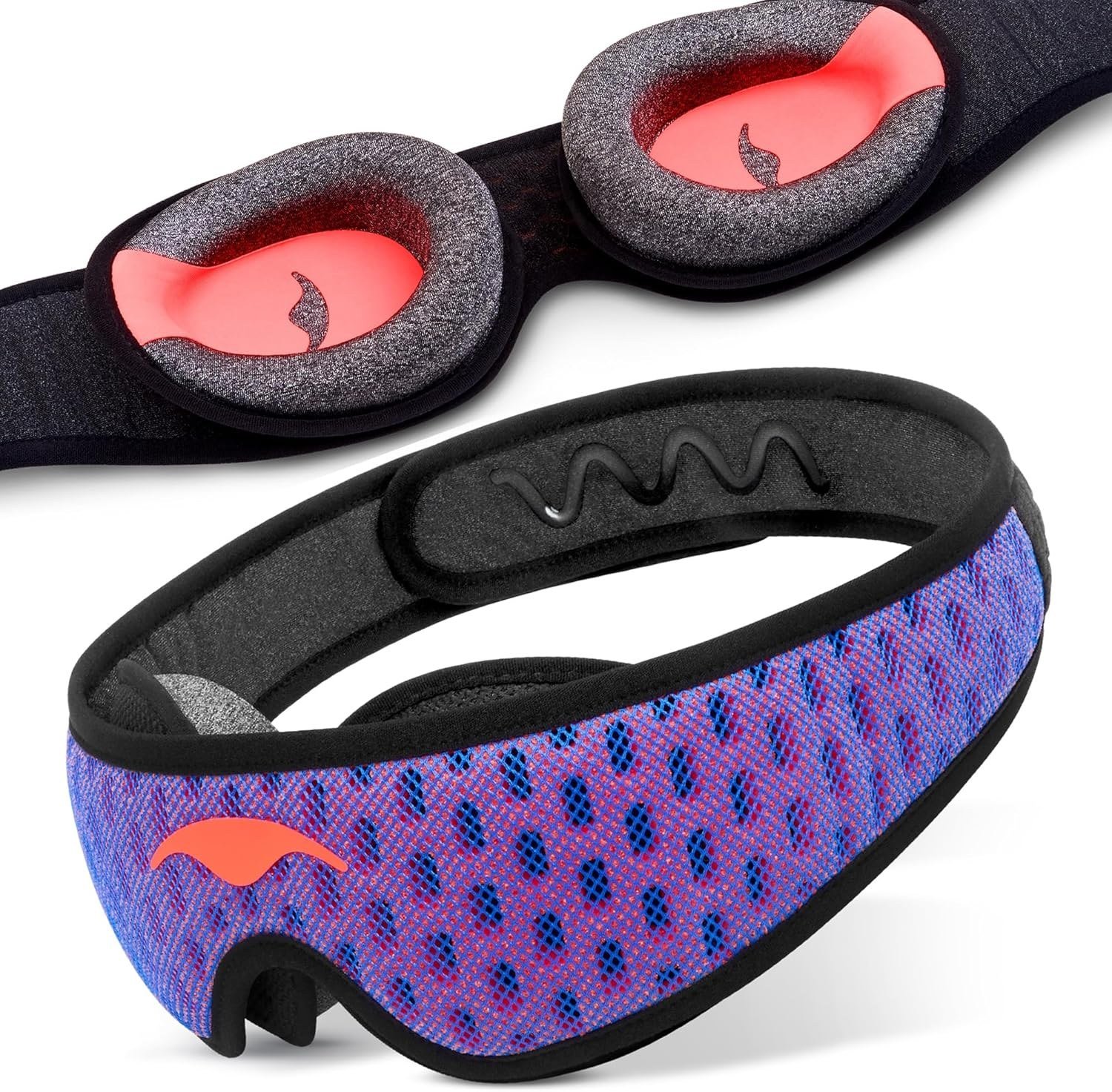
Manta PRO Sleep Mask
Best for
Side sleepers, shift workers and anyone whose flat masks leak light at the nose — people who will trade some bulk for a seal they can adjust.
What it does well
- Eye cups reposition along the strap, so the seal follows your face instead of a fixed average
- Deep cups leave a hollow in front of the eyes — you can blink freely, which matters during REM
Trade-offs
- Noticeably bulkier than a flat silk mask; stomach sleepers who press into the pillow will feel it
- Priced at the top of the category — MZOO and Nidra deliver a similar blackout for less
-
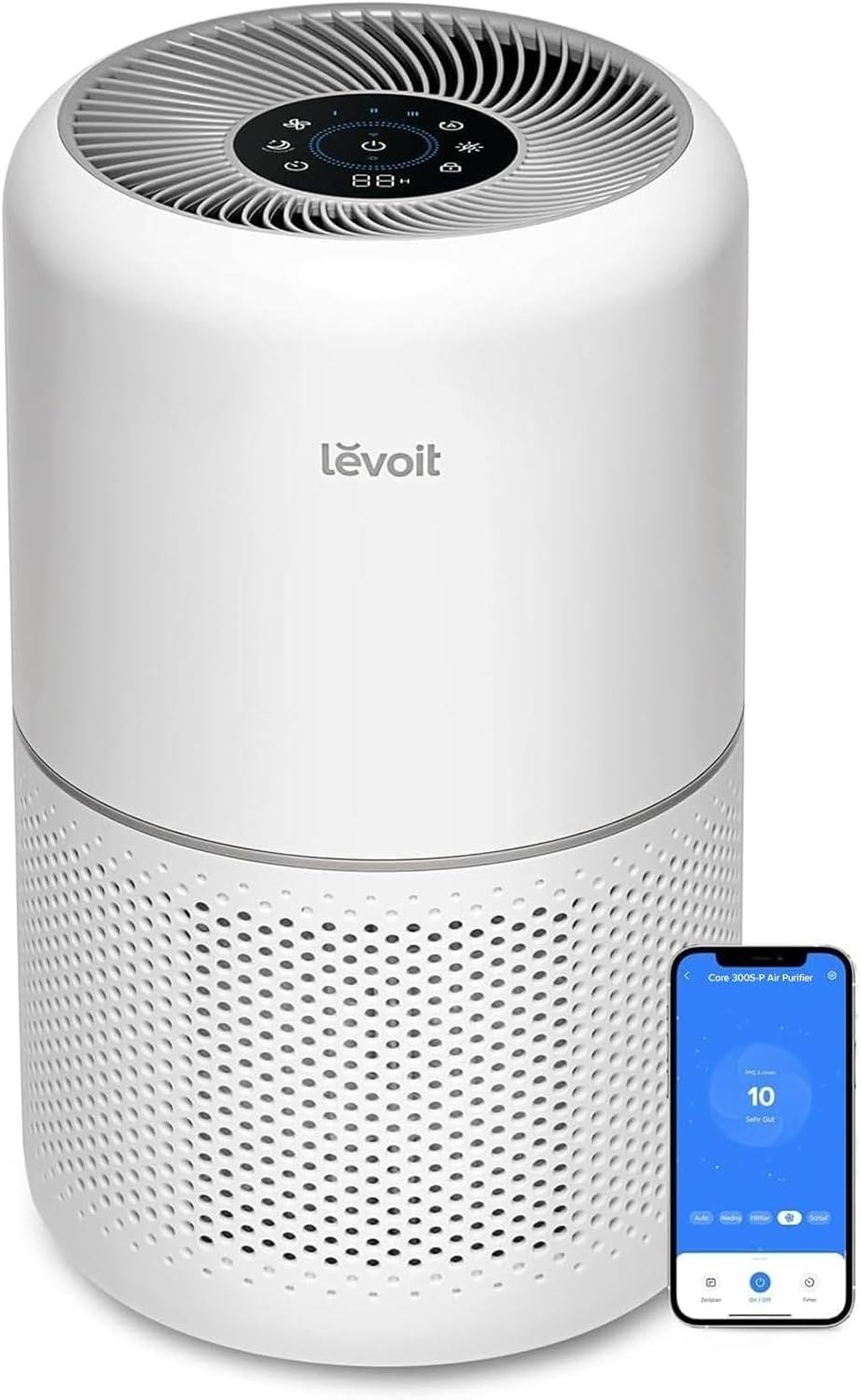
Levoit Classic 300S Smart Humidifier
Best for
Dry bedrooms that need real output, and people who want to set a humidity target and let the sensor run it.
What it does well
- A humidity sensor and auto mode hold a target — Levoit's default 40–50% — instead of running blind
- A 6 L top-fill tank with a stated 60-hour runtime means refilling every couple of days, not every night
Trade-offs
- Ultrasonic mist carries dissolved minerals: hard water leaves white dust on surfaces unless you use distilled or demineralised water
- Standing water in a warm bedroom needs regular cleaning, and there is no run-to-dry or UV step as on the Canopy
Immediately after the section on temperature, noise, light, and dry air; add one end-of-article checklist.
Introduction
Waking up consistently at 3 AM is one of the most frustrating experiences a person can face. The moment your eyes open, you glance at the clock and feel an immediate wave of anxiety. You might think, "Why is this happening again? How can I get back to sleep?" This phenomenon, often referred to as middle-of-the-night insomnia or sleep maintenance insomnia, affects a staggering percentage of the adult population globally. The human sleep cycle is complex, governed by a delicate interplay of circadian rhythms, hormonal fluctuations, and environmental factors. When this delicate balance is disrupted, your body can jolt you awake during the most critical phases of restorative rest. Waking up at 3 AM isn't just an annoyance; it systematically robs you of deep sleep and REM sleep, which are vital for cognitive function, emotional regulation, and physical repair. The cycle of waking up and struggling to return to sleep can quickly escalate into a chronic issue, leading to daytime fatigue, brain fog, and a weakened immune system. Many people falsely believe that they simply need to endure this or that they are biologically wired to wake up in the middle of the night. However, this is largely a misconception rooted in a lack of understanding of sleep architecture. By investigating the physiological, environmental, and psychological triggers that cause you to wake up at precisely 3 AM, you can implement targeted, scientifically backed strategies to sleep soundly through the night. Whether the cause is a dip in blood sugar, a sudden spike in adrenaline, a rebound in core body temperature, or unrecognized sleep apnea, understanding the root cause is the first critical step toward reclaiming your night. In this comprehensive guide, we will explore the precise biological mechanisms behind waking up at 3 AM and provide actionable, evidence-based solutions to help you stop this disruptive pattern once and for all.
The Biphasic Sleep Myth vs. Insomnia
For years, the concept of biphasic sleep has circulated as a potential explanation for why so many people wake up in the middle of the night. Proponents of this theory argue that before the advent of artificial lighting and the Industrial Revolution, humans naturally slept in two distinct phases. According to historical accounts, individuals would sleep for a few hours, wake up in the middle of the night for an hour or two of quiet activity, and then return to a "second sleep" until morning. While this historical perspective is fascinating and has some merit in pre-industrial contexts, using it to justify modern-day 3 AM awakenings can be deeply problematic and misleading.
In today's fast-paced, highly demanding world, the expectations placed on our bodies and minds are vastly different. When you wake up at 3 AM and cannot fall back asleep, you are not engaging in a restorative period of quiet reflection; you are likely experiencing sleep maintenance insomnia, characterized by frustration, anxiety, and a cascade of stress hormones. Insomnia is a clinical condition that disrupts sleep architecture, depriving you of the essential restorative stages of sleep, particularly deep, slow-wave sleep and rapid eye movement (REM) sleep, which are heavily concentrated in the latter half of the night.
Accepting 3 AM awakenings as merely a "natural" biphasic pattern can prevent individuals from addressing the underlying physiological or psychological issues causing the disruption. Chronic middle-of-the-night awakenings are frequently linked to heightened cortisol levels, chronic stress, anxiety disorders, and poor sleep hygiene rather than an evolutionary predisposition. When you wake up abruptly and your mind begins racing with tomorrow's to-do list, this is a clear indication of a hyperaroused nervous system, not a healthy, historical sleep pattern. Furthermore, the modern schedule does not accommodate a biphasic sleep routine. Most individuals are required to be alert and productive during standardized daytime hours. Consequently, losing an hour or two of sleep in the middle of the night directly translates to sleep deprivation, cognitive deficits, and mood disturbances the following day. It is essential to differentiate between a harmless, brief awakening—which happens naturally as we transition between sleep cycles—and a prolonged state of wakefulness that signifies an underlying disruption. By recognizing chronic 3 AM awakenings as a form of insomnia rather than a harmless relic of our evolutionary past, we can take proactive, scientifically grounded steps to identify the root causes and restore a consolidated, continuous, and deeply restorative night of sleep.
Blood Sugar Drops and Adrenaline Surges at Night
One of the most overlooked and insidious culprits behind waking up consistently at 3 AM is the intricate relationship between nocturnal blood sugar levels and the body's stress response. Throughout the night, your brain remains highly active, performing critical functions such as memory consolidation and cellular repair. To fuel these intensive processes, the brain requires a steady and continuous supply of glucose. If you consume a meal high in refined carbohydrates or simple sugars close to bedtime, your blood glucose levels will rapidly spike and then inevitably crash in the middle of the night. This phenomenon, known as reactive hypoglycemia, triggers a primal alarm system within the body.
When your blood sugar drops too low, your brain perceives it as a life-threatening emergency, a state of starvation. To rapidly mobilize stored energy, the adrenal glands release a surge of counter-regulatory hormones, primarily adrenaline (epinephrine) and cortisol. This biochemical cascade is designed to stimulate the liver to release stored glycogen, raising blood sugar levels back to a safe baseline. However, adrenaline is a potent excitatory neurotransmitter. It is the exact same hormone responsible for the fight-or-flight response. When a massive surge of adrenaline floods your system at 3 AM, your heart rate accelerates, your breathing becomes shallow and rapid, and your core body temperature rises. You are jolted awake from a deep sleep, often feeling suddenly alert, anxious, or even mildly panicked, with no clear environmental cause.
This adrenaline-induced awakening is incredibly difficult to recover from. Because your nervous system is now highly aroused, attempting to simply "go back to sleep" is biologically counterintuitive; your body believes it needs to fight or flee. The mind begins to race, and the ensuing frustration only serves to release more stress hormones, creating a vicious cycle of wakefulness. To prevent this nocturnal blood sugar crash and the subsequent adrenaline surge, it is crucial to manage your evening nutrition strategically. Consuming a small, balanced snack containing complex carbohydrates, healthy fats, and high-quality protein about an hour before bed can provide a slow, sustained release of glucose throughout the night. Examples include a handful of almonds, a slice of turkey with cheese, or a spoonful of unsweetened peanut butter. By stabilizing your blood sugar levels before sleep, you effectively eliminate the physiological trigger for the 3 AM adrenaline surge, allowing your nervous system to remain in a parasympathetic, restful state and enabling you to sleep continuously until morning.
Core Body Temperature Rebounds
Another profound, yet frequently misunderstood, biological mechanism that dictates sleep continuity is the natural fluctuation of your core body temperature. Human sleep is tightly regulated by a circadian temperature rhythm. In order to initiate sleep and transition into the deeper, more restorative stages of slow-wave sleep, your core body temperature must drop by approximately 1 to 2 degrees Fahrenheit. This cooling process begins in the late evening, signaling to your brain that it is time to sleep, and it reaches its absolute lowest point (the nadir) typically between 3 AM and 5 AM.
However, problems arise when this delicate thermal regulation is disrupted. If your sleeping environment is too warm, if you use heavy, non-breathable bedding, or if you naturally "sleep hot," your body struggles to maintain this crucial temperature drop. As your circadian rhythm naturally attempts to slowly raise your core temperature in the early morning hours to prepare you for wakefulness, a slightly elevated baseline temperature can cause a premature and exaggerated "rebound." If your core temperature rises too quickly or exceeds the optimal threshold around 3 AM, it acts as a potent biological alarm clock, immediately pulling you out of sleep and into a state of wakefulness.
This thermal disruption is heavily influenced by the microclimate of your bed. Traditional memory foam mattresses and synthetic sheets often trap body heat, creating a localized oven effect. When your body tries to dissipate heat to stay cool, it is instead reflected back, leading to localized sweating and discomfort. To mitigate this, optimizing your sleep environment for thermoregulation is paramount. Sleep experts universally recommend maintaining a bedroom temperature between 60 to 67 degrees Fahrenheit (15 to 19 degrees Celsius) for optimal sleep. Additionally, investing in temperature-regulating bedding—such as moisture-wicking bamboo or linen sheets, and mattresses designed with active cooling technologies or breathable coils—can dramatically improve your body's ability to shed excess heat.
Furthermore, pre-sleep habits heavily influence your core temperature. Taking a warm bath or shower about 90 minutes before bed can ironically aid in cooling you down; the warm water dilates blood vessels on the surface of your skin, allowing for massive heat dumping once you step out of the bathroom, thereby accelerating the necessary core temperature drop. By strictly controlling your sleep environment and supporting your body's natural thermal circadian rhythm, you can prevent the 3 AM temperature rebound that forces you awake, ensuring a smooth, uninterrupted progression through all sleep cycles.
How Tracking Micro-Movements Reveals Sleep Stages
Understanding why you wake up at 3 AM requires more than just guesswork; it requires precise, objective data regarding your sleep architecture. Sleep is not a uniform state of unconsciousness but a dynamic progression through distinct stages: light sleep, deep (slow-wave) sleep, and REM (Rapid Eye Movement) sleep. Each stage serves a specific, vital physiological function, and the amount of time spent in each dictates the restorative quality of your rest. Most 3 AM awakenings occur during the transition between sleep cycles, particularly as the body shifts from deep sleep into lighter stages or REM sleep. If you have an underlying issue, such as sleep apnea, restless leg syndrome, or high stress, these transitions become fraught with micro-awakenings that eventually lead to full, conscious wakefulness.
To pinpoint exactly what is disrupting your sleep architecture, advanced sleep tracking technology has become an indispensable tool. Unlike rudimentary wrist trackers that often rely solely on broad movement data, modern tracking relies on highly sensitive sensors capable of detecting micro-movements, respiration rates, and ballistocardiography (the mechanical motion of the heart). By continuously monitoring these subtle physiological signals, advanced trackers can accurately map your progression through sleep stages and identify precisely when and why disruptions occur.
One of the most effective and non-intrusive ways to gather this critical data is by utilizing an under-mattress sensor. For those serious about diagnosing their 3 AM awakenings, integrating a [[PRODUCT:withings-sleep-tracking-mat]] provides an unparalleled level of clinical-grade insight. Placed discreetly beneath the mattress, this sophisticated device tracks your sleep cycles, heart rate, and snoring without requiring you to wear anything on your wrist. It meticulously records the exact moment you transition from deep sleep to light sleep, highlighting the specific time you wake up and the physiological events—such as elevated heart rate or irregular breathing—that precipitated the awakening.
By reviewing this detailed sleep data, you can uncover hidden patterns. For instance, if the data reveals a sudden spike in heart rate just before you wake up at 3 AM, it strongly points toward an adrenaline surge or a breathing interruption. Conversely, if the data shows excessive tossing and turning (macro-movements) leading up to the awakening, thermal discomfort or physical pain might be the culprit. Tracking micro-movements demystifies your sleep, providing the objective evidence needed to implement targeted interventions, thereby transforming your frustrating 3 AM awakenings into a solvable, data-driven puzzle.
Immediate Interventions When You Wake Up
Despite your best preventative efforts, there will be nights when you still find yourself wide awake at 3 AM. How you respond in the first few minutes of this awakening determines whether you will quickly drift back to sleep or spend the rest of the night tossing and turning in frustration. The most critical rule to observe when you wake up in the middle of the night is to avoid engaging the conscious, analytical part of your brain. The moment you start worrying about the sleep you are losing, calculating how many hours are left until your alarm goes off, or agonizing over tomorrow’s responsibilities, you trigger a massive release of stress hormones like cortisol and adrenaline. This physiological stress response fundamentally blocks the biological pathways required for sleep.
If you wake up and cannot fall back asleep within approximately 15 to 20 minutes, staying in bed is counterproductive. Psychologists refer to this as negative classical conditioning; you are inadvertently training your brain to associate your bed with wakefulness, anxiety, and frustration rather than rest and relaxation. Instead, practice stimulus control therapy. Get out of bed and move to a dimly lit, quiet room. Engage in a low-stimulation, relaxing activity, such as reading a physical book (avoid screens at all costs), knitting, or listening to a calming podcast or soft instrumental music. The goal is to distract your mind gently without stimulating it.
Crucially, avoid looking at the clock. Clock-watching is one of the most potent triggers for sleep anxiety. Turn your digital clocks away and resist the urge to check your phone. Furthermore, avoid any exposure to blue light, which immediately suppresses melatonin production. If you must use a light to navigate, use a dim, amber, or red nightlight.
Another highly effective immediate intervention is the practice of structured relaxation techniques. Deep, diaphragmatic breathing—such as the 4-7-8 method, where you inhale for 4 seconds, hold for 7 seconds, and exhale forcefully for 8 seconds—can rapidly activate the parasympathetic nervous system, forcefully lowering your heart rate and signaling to your body that it is safe to sleep. Progressive muscle relaxation, where you systematically tense and release each muscle group starting from your toes up to your head, can also help dissipate accumulated physical tension. Only return to bed when your eyelids feel heavy and you are genuinely sleepy, reinforcing the vital association that the bed is exclusively for sleep.
Conclusion
Waking up consistently at 3 AM is a complex issue driven by a variety of physiological and psychological factors, but it is definitively not something you must simply endure. By rejecting the myth that chronic middle-of-the-night awakenings are a natural biphasic sleep pattern, you can begin to treat them as the disruptive sleep maintenance insomnia they truly are. The keys to resolving this frustrating cycle lie in stabilizing your nocturnal blood sugar to prevent adrenaline surges, meticulously managing your sleep environment to avoid core body temperature rebounds, and utilizing advanced data tracking to understand your unique sleep architecture.
When you do wake up, implementing immediate, non-stimulating interventions and avoiding the anxiety of clock-watching can prevent a brief awakening from turning into a ruined night. Consistently applying these evidence-based strategies will slowly recalibrate your circadian rhythm and nervous system. Restoring your sleep continuity is an investment in your overall health, cognitive function, and emotional resilience. With patience, data-driven adjustments, and a commitment to proper sleep hygiene, you can successfully break the cycle of 3 AM awakenings and reclaim the deep, uninterrupted, and restorative night of sleep your body desperately needs to thrive.

Join the conversation
Questions and experiences are welcome. Every comment is read by a person before it appears, and your email address is never published.
No comments yet — yours would be the first.