
The quest for the perfect night of sleep is a multifaceted endeavor that involves a delicate balance of numerous environmental and physiological factors. Among the myriad elements that contribute to optimal sleep architecture, one of the most frequently overlooked yet profoundly impactful is ambient bedroom temperature. For decades, researchers, sleep specialists, and medical professionals have emphasized the critical importance of temperature regulation in facilitating deep, restorative rest. While the modern world often fixates on complex dietary supplements, elaborate pre-bedtime rituals, and high-tech wearable tracking devices, the fundamental truth remains that the thermal environment of your bedroom can make or break your sleep quality. The intricate interplay between our circadian rhythms and our core body temperature means that our biology is intrinsically hardwired to respond to thermal cues. In a society that is increasingly plagued by chronic sleep deprivation and insomnia, understanding how to manipulate your bedroom's climate is no longer merely a luxury—it is an essential component of preventative health and optimal daily performance. When the temperature of your sleeping environment is misaligned with your body's natural thermal trajectory, the result is often fragmented sleep, reduced time spent in the crucial rapid eye movement (REM) and slow-wave sleep (SWS) stages, and a pervasive sense of grogginess upon waking. This guide will look deeply into the scientific mechanisms that govern the relationship between temperature and sleep, providing you with a comprehensive, evidence-based blueprint for transforming your bedroom into an optimal sleep sanctuary. We will explore the exact biology underlying core body temperature drops, the ideal ambient room settings for different sleep stages, and how advanced technologies can assist in this endeavor. By mastering the principles of thermal regulation, you can gain profound improvements in your cognitive function, emotional resilience, and overall physical health, ensuring that every night of sleep is as restorative as biologically possible. The journey to better sleep begins with a thermometer, but it culminates in a profound understanding of human physiology and environmental control. This comprehensive exploration will leave no stone unturned in the pursuit of the ultimate sleep environment.
The Biological Link Between Temperature and Sleep
To truly grasp why bedroom temperature is such a vital component of sleep hygiene, one must first understand the fundamental biological mechanisms that govern the sleep-wake cycle. At the center of this complex system is the circadian rhythm, a roughly 24-hour internal clock that dictates our physiological processes, hormone production, and behavioral patterns. This intricate biological metronome is primarily regulated by the suprachiasmatic nucleus (SCN), a small but immensely powerful region located in the brain's hypothalamus. While light exposure is the most well-known zeitgeber—or time cue—that influences the SCN, thermal cues play an equally crucial, albeit less discussed, role in signaling to the body that it is time to transition into a state of rest. As evening approaches, the SCN initiates a cascade of physiological changes designed to prepare the body for sleep. One of the most significant of these changes is a deliberate and controlled reduction in core body temperature. This process is primarily achieved through a mechanism known as distal vasodilation. Blood vessels in the extremities, specifically the hands and feet, expand and increase blood flow to the skin's surface, allowing internal heat to dissipate into the surrounding environment. This heat loss is a necessary prerequisite for sleep onset. If the ambient temperature of the bedroom is too high, it creates a thermal barrier that impedes this natural cooling process. The body is forced to expend energy in an attempt to cool itself, which can manifest as restlessness, increased heart rate, and elevated cortisol levels—all of which are antithetical to sleep. Conversely, if the environment is excessively cold, the body may initiate heat-conserving mechanisms such as vasoconstriction or shivering, which also disrupt the sleep process. The biological link between temperature and sleep is therefore characterized by a narrow window of optimal thermal conditions. When the external environment aligns harmoniously with the body's internal cooling trajectory, the transition from wakefulness to sleep is seamless. Melatonin, the hormone responsible for regulating the sleep-wake cycle, is also heavily influenced by temperature. Research indicates that the evening drop in core body temperature closely mirrors the rise in endogenous melatonin production. By maintaining a cool bedroom environment, you are effectively supporting this delicate hormonal dance, ensuring that the physiological signals for sleep are amplified and unambiguous. Ignoring this biological reality is a recipe for chronic sleep disturbances and compromised health, as the body continuously fights against an environment that is biologically perceived as hostile to rest.
Core Body Temperature Drop Mechanics
The mechanics of the core body temperature drop are a marvel of human physiology, involving a complex interplay of the cardiovascular, nervous, and endocrine systems. The human body operates at an average basal temperature of roughly 98.6 degrees Fahrenheit (37 degrees Celsius) during waking hours, but this baseline is not static. As part of the circadian rhythm, core body temperature fluctuates throughout the 24-hour cycle, reaching its peak in the late afternoon and dropping to its lowest point, known as the nadir, in the early hours of the morning, typically around 4:00 AM or 5:00 AM. The initiation of this temperature drop is a critical trigger for sleep onset. The process begins approximately two hours before your habitual bedtime, coinciding with the Dim Light Melatonin Onset (DLMO). The hypothalamus, acting as the body's internal thermostat, adjusts its set point downward. To achieve this new, lower temperature, the body must actively shed heat. This is accomplished primarily through the arteriovenous anastomoses—specialized blood vessels located in the glabrous skin of the palms of the hands, the soles of the feet, and the upper face. These areas are uniquely designed for efficient heat exchange due to their high density of blood vessels and lack of insulating hair. When the hypothalamus signals the need to cool down, these vessels dilate (vasodilation), directing warm blood from the core to the surface of the skin, where the heat is radiated away into the surrounding environment. This mechanism explains why taking a warm bath or shower before bed can paradoxically aid in sleep; the external heat artificially dilates these superficial blood vessels, leading to a massive dump of internal heat once you step out into a cooler room, thereby accelerating the necessary core temperature drop. During sleep, the body's thermoregulatory capabilities are somewhat blunted, particularly during REM sleep. In REM, the body effectively abandons its strict temperature control, making us highly susceptible to ambient environmental conditions. If the room is too hot, the body struggles to maintain its lowered core temperature, leading to micro-arousals and a fragmented sleep architecture. If the room is too cold, the body may prematurely exit REM sleep to initiate shivering or other thermogenic processes. Therefore, understanding and facilitating these intricate core body temperature drop mechanics is not just about falling asleep faster; it is about protecting the structural integrity of the sleep cycle itself, ensuring that each distinct stage of sleep can unfold optimally without thermal interruption from an unoptimized room environment.
Ideal Ambient Temperatures for REM and Deep Sleep
Determining the optimal ambient temperature for a bedroom is a subject of extensive scientific inquiry, and while individual preferences can vary slightly, the consensus among sleep experts is remarkably consistent. The universally recommended range for bedroom temperature is between 60 to 67 degrees Fahrenheit (15.6 to 19.4 degrees Celsius). This relatively cool environment is designed to support the body's natural core temperature drop and minimize thermal stress throughout the night. To understand why this specific range is so crucial, we must examine the distinct thermal requirements of the two most critical stages of the sleep cycle: slow-wave sleep (SWS), also known as deep sleep, and rapid eye movement (REM) sleep. During deep sleep, which predominantly occurs in the first half of the night, the body is focused on physical restoration, cellular repair, and memory consolidation. While thermoregulation is still active during this stage, the body requires a cool environment to maintain the low core temperature necessary for SWS to persist. If the ambient temperature exceeds the optimal range, the body may respond with excessive sweating or restlessness, which can prematurely pull the sleeper out of deep sleep and into lighter, less restorative stages. However, the thermal vulnerability of the human body reaches its peak during REM sleep, which typically dominates the latter half of the night. During REM sleep, the brain is highly active, but the body experiences a state of temporary muscle atonia (paralysis) to prevent the acting out of dreams. Crucially, during REM sleep, the body's ability to actively thermoregulate—to sweat or shiver—is severely compromised. We essentially become poikilothermic, meaning our body temperature begins to drift toward the ambient temperature of the room. This makes the sleeper exceptionally sensitive to their thermal environment. If the bedroom is too warm during an REM cycle, the core body temperature will begin to rise dangerously, forcing the brain to awaken the sleeper to re-initiate thermoregulation. This leads to a phenomenon known as REM fragmentation, which is associated with impaired cognitive function, emotional instability, and a lack of mental clarity the following day. By maintaining an ambient temperature within the ideal 60 to 67 degree Fahrenheit range, you provide a thermally neutral buffer that protects the integrity of both deep sleep and REM sleep, allowing the brain to cycle through these essential stages without interruption. This precise thermal management is the cornerstone of truly restorative rest, separating mediocre sleep from unparalleled nighttime recovery.
Temperature solutions comparison
Measure the room first, then choose the least complicated cooling solution.
-
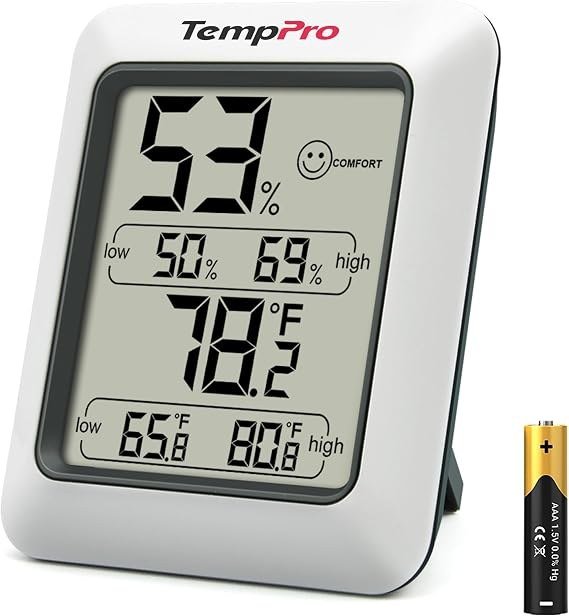
ThermoPro TP50 Temperature and Humidity Monitor
Best for
Anyone who wants to know the bedroom's temperature and humidity for the least money and without an app.
What it does well
- Stated accuracy of ±1°F and ±2–3% RH is more than enough to know whether a room is dry or hot
- No app, no account, no Wi-Fi — a number on a screen you can read from bed
Trade-offs
- No logging: you get the high and low, not when they happened
- The Amazon listing now shows the brand "TempPro (Previously ThermoPro)" — the product appears unchanged, but check the listing
-
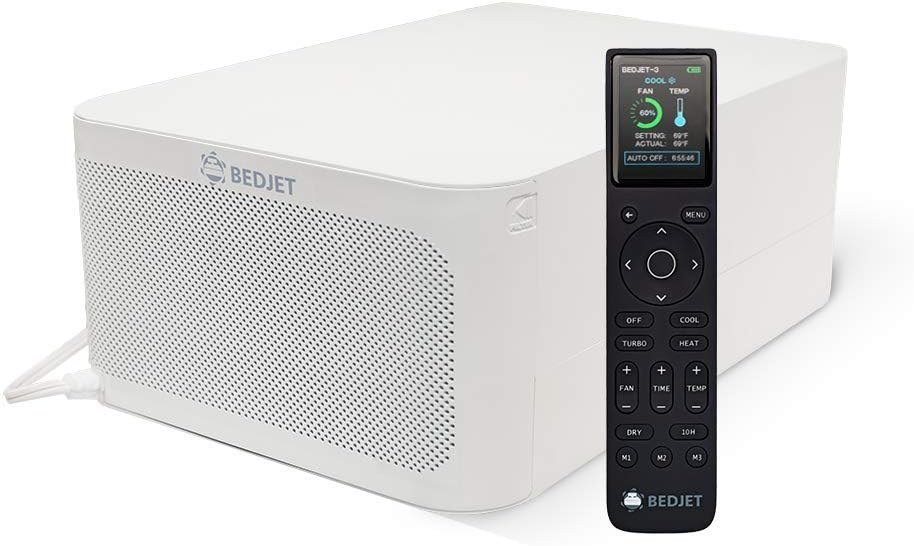
BedJet 3 Climate Comfort System
Best for
Hot sleepers and night-sweat sufferers in a moderately cool bedroom, and couples who cannot agree on bed temperature.
What it does well
- Moves air directly under the covers, so sweat evaporates — the mechanism that actually cools a hot sleeper
- Heats as well as cools, with a stated range of 66–104°F, so it is a winter product too
Trade-offs
- The most expensive item in our catalogue, and the Cloud Sheet that makes it work best is extra
- Cooling is limited by room air: it cannot blow colder than the bedroom, so a hot room needs the fan or air conditioning first
-

Dreo Nomad One Tower Fan — Black
Best for
Hot sleepers who want quiet, oscillating airflow across the bed with a fade-down sleep mode.
What it does well
- Moving air across the bed is the single most effective cheap intervention for a hot sleeper
- Sleep mode steps the speed down over time, so you fall asleep with a breeze and do not wake in a gale
Trade-offs
- A fan moves air; it does not cool it. In a hot room it circulates hot air
- The current listing title claims 8 speeds and a 2026 motor while Dreo's DR-HTF007 manual describes 4 — check which revision ships
-
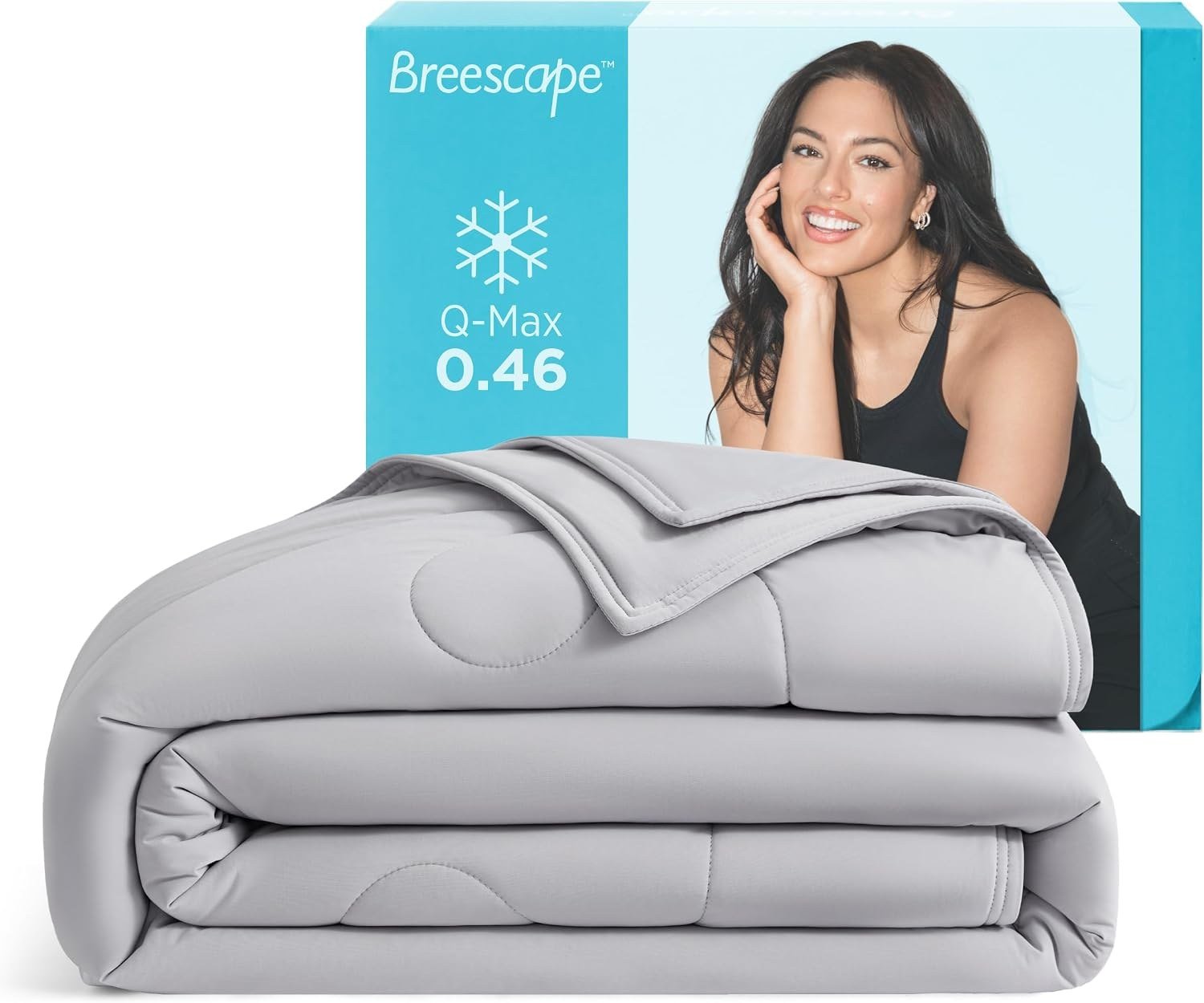
Breescape Cooling Comforter Blanket — Queen, Misty Gray
Best for
Hot sleepers who want an inexpensive, washable summer comforter that feels cool at bedtime.
What it does well
- Cool-to-the-touch face feels immediately different from a cotton or microfibre comforter at bedtime
- Two-sided: a cool face for hot nights and a more airflow-oriented reverse, per the listing
Trade-offs
- Cool-touch is a contact effect: the fabric conducts heat away when you first lie down and equalises as it warms
- The listing's "3.1× cooler than bamboo" and Q-Max figures are the seller's own test claims, not independently verified
-

Pure Bamboo Sheet Set — 100% Viscose from Organic Bamboo, Queen
Best for
Warm sleepers who want a cool, silky sheet and will follow gentle care instructions.
What it does well
- Bamboo viscose feels cooler and smoother against skin than cotton percale or sateen at similar prices
- Wicks moisture well, which is what a warm sleeper actually needs from a sheet
Trade-offs
- Viscose pills and thins faster than long-staple cotton; treat them gently and expect a shorter life
- "Organic bamboo" refers to the crop; making viscose is a chemical process, and the sheets are not "organic" in the textile sense
After explaining measurement and temperature ranges; order options from low-cost monitoring to active bed climate control.
Active vs. Passive Cooling Systems
When it comes to achieving and maintaining the ideal bedroom temperature, consumers are faced with a myriad of options, broadly categorized into active and passive cooling systems. Understanding the fundamental differences, benefits, and limitations of these two approaches is essential for creating a sleep environment that effectively supports the body's thermal needs throughout the entirety of the night. Passive cooling systems rely on materials and design to manage heat without the use of electricity, moving parts, or mechanical intervention. Examples include breathable natural fiber sheets (such as percale cotton, linen, or bamboo), moisture-wicking mattresses, phase-change materials (PCMs) embedded in mattress toppers, and gel-infused memory foams. The primary advantage of passive systems is that they are generally lower in ongoing costs, operate silently, and require no maintenance once installed. Phase-change materials, for instance, absorb heat as your body temperature rises and release it when you cool down, providing a degree of thermal buffering. However, the fundamental limitation of passive cooling is that it is ultimately constrained by the laws of thermodynamics; these materials can only absorb a finite amount of heat before they reach thermal equilibrium with your body, at which point they cease to feel cool and can actually begin to trap heat. Active cooling systems, on the other hand, utilize mechanical power to continuously remove heat from the sleep environment. This category encompasses a wide range of technologies, from standard bedroom air conditioning units and ceiling fans to specialized, targeted microclimate systems. One of the most effective and innovative solutions in this category is the [[PRODUCT:bedjet-3-climate-comfort-system]]. Unlike passive materials that eventually saturate with body heat, active systems like the BedJet use powered ventilation to continuously circulate air directly into the sleep space, rapidly wicking away body heat and moisture. This creates a sustained cooling effect that remains consistent throughout the entire night. The advantage of active cooling is its unparalleled efficacy and control. Users can precisely dial in their preferred temperature, ensuring that the microclimate under the covers remains perfectly aligned with their physiological needs, even if the ambient room temperature fluctuates. While active systems represent a higher initial investment and require electricity to operate, their ability to actively combat heat buildup makes them profoundly superior for individuals who struggle with night sweats, hot flashes, or simply the challenge of maintaining an optimal sleep temperature in uncooperative climates. By actively managing the thermal environment, these systems provide a robust defense against temperature-induced sleep fragmentation.
How to Adapt Your Bedroom for Summer and Winter
Adapting your bedroom to seasonal temperature fluctuations is a critical component of year-round sleep hygiene. The transition from the sweltering heat of summer to the biting cold of winter requires distinct strategies to ensure that your sleep sanctuary remains within the optimal 60 to 67 degree Fahrenheit range. During the summer months, the primary challenge is mitigating heat intrusion and facilitating the body's necessary core temperature drop. Start by focusing on the room's envelope. Utilize blackout curtains or thermal shades during the day to block solar radiation from heating the room. Ensure that windows are properly sealed to prevent warm air drafts. In terms of bedding, strip the bed down to the essentials. Opt for highly breathable, lightweight natural fibers like crisp percale cotton or pure linen, which allow for maximum airflow and moisture evaporation. If you live in an area where evening temperatures drop significantly, strategically opening windows to create a cross-breeze can efficiently flush hot air from the room. However, in prolonged heatwaves, relying on an active cooling system or dedicated air conditioning becomes indispensable for maintaining a consistently cool microclimate under the covers. Conversely, during the winter months, the challenge shifts from heat dissipation to heat retention, while still avoiding overheating. It is a common mistake to crank the central heating up before bed, as a hot room will inhibit the biological temperature drop required for sleep onset. Instead, keep the ambient room temperature cool and focus on layering the bed. Use a combination of a breathable top sheet, a heavier blanket or duvet, and perhaps an additional quilt that can be easily discarded if you become too warm during the night. The key to winter bedding is flexibility; you want to create a warm microclimate without trapping so much heat that you induce sweating. Flannel sheets can provide immediate warmth upon entering the bed, but they can also be less breathable than standard cotton, so monitor your comfort levels. Additionally, managing winter humidity is crucial. Central heating can severely dry out the air, which can irritate the respiratory tract and disrupt sleep. Using a humidifier to maintain relative humidity between 30% and 50% can mitigate this issue, making the cool air feel more comfortable and supporting easier breathing. By thoughtfully adapting your bedroom environment to the specific challenges of each season, you can ensure that your thermal environment consistently supports, rather than hinders, your quest for restorative sleep across the entire calendar year.
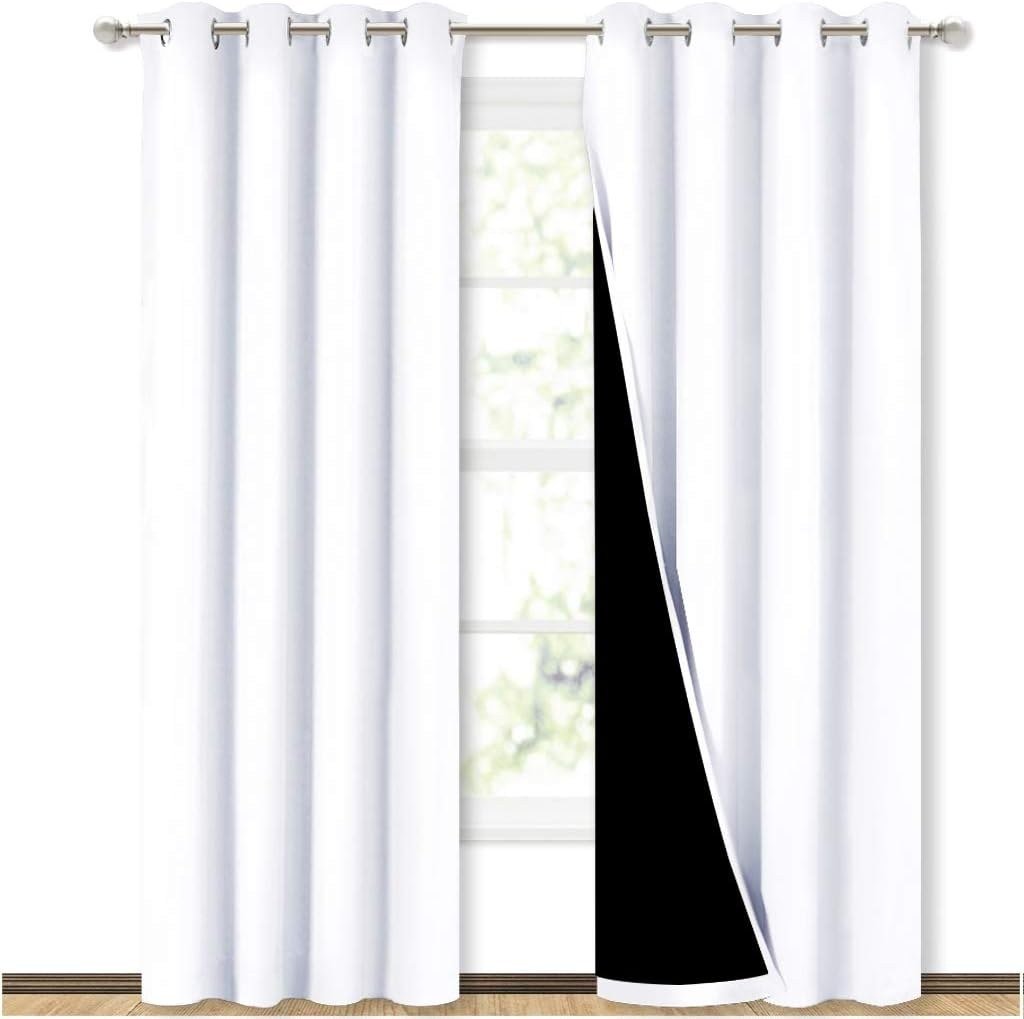
NICETOWN 100% Blackout Curtain Panels — 52 x 84 Inches, Set of 2
NICETOWN's 100% blackout panels are grommet-top curtains with a light-blocking back that darkens a bedroom rather than one pair of eyes. They suit early risers, shift workers and anyone who shares a bed with a mask-hater. The trade-off is installation: without a wraparound rod or side channels, light leaks at the edges and a mask may still be needed for total darkness.
Conclusion
In the pursuit of optimal health, cognitive performance, and emotional well-being, the quality of our sleep is absolutely paramount. As we have explored extensively throughout this comprehensive guide, the thermal environment of the bedroom is not merely a matter of comfort or personal preference; it is a fundamental biological requirement that directly dictates the architecture and restorative power of our rest. By understanding the intricate mechanics of the circadian rhythm, the absolute necessity of the core body temperature drop prior to sleep onset, and the specific thermal vulnerabilities of rapid eye movement (REM) and deep sleep stages, we can begin to treat bedroom temperature with the rigorous scientific attention it truly deserves. The ideal ambient temperature range of 60 to 67 degrees Fahrenheit serves as a crucial benchmark for the vast majority of individuals, but achieving and consistently maintaining this specific microclimate often requires thoughtful intervention. Whether through the implementation of advanced active cooling solutions that provide precise, continuous thermal regulation, or the strategic, season-by-season adaptation of bedding materials and room environments, taking control of your sleep climate is a powerful step toward better health. Ultimately, optimizing your bedroom temperature is a direct investment in your foundational biology and long-term vitality. By aligning your external environment with your body's internal thermoregulatory processes, you effectively eliminate one of the most pervasive and insidious barriers to truly restorative rest. Transform your bedroom into a meticulously climate-controlled sanctuary that caters to your physiological needs, and you will gain a profound level of sleep quality that fundamentally enhances every waking moment of your life, boosting productivity, mood, and overall longevity. The journey to the ultimate night of sleep relies heavily on mastering your bedroom's temperature profile.




Join the conversation
Questions and experiences are welcome. Every comment is read by a person before it appears, and your email address is never published.
No comments yet — yours would be the first.