
Creating the ideal bedroom setup is a multifaceted and highly complex endeavor that intersects heavily with the rigorous disciplines of sleep science, human physiology, and environmental psychology. A bedroom is not merely a designated space for unconsciousness or a simple architectural component of a home; rather, it is an active, carefully calibrated recovery zone where critical biological processes occur, including memory consolidation, tissue repair, neuroendocrine hormone regulation, and profound cognitive restoration. The contemporary, scientifically backed approach to designing this sanctuary transcends basic aesthetic considerations and looks closely at the empirical parameters that govern our circadian rhythms and the intricate architecture of our sleep cycles. The pursuit of optimal sleep quality demands a rigorous, analytical evaluation of the myriad factors that can either disrupt or enhance our restorative phases, particularly the slow-wave deep sleep and rapid eye movement (REM) cycles that are fundamental for human health. By systematically optimizing the sensory inputs and environmental variables within the bedroom, individuals can dramatically improve their sleep latency (the time it takes to fall asleep), sleep efficiency (the ratio of time spent asleep to time spent in bed), and overall sleep duration. This comprehensive, evidence-based guide will meticulously dissect the fundamental pillars of an ideal sleep environment, focusing intensely on the scientific principles that underpin effective thermoregulation, advanced acoustic control, precise light management, and structural ergonomic support. Each of these critical elements plays a synergistic and deeply interconnected role in facilitating the physiological transition from active wakefulness to deep, restorative sleep. We will explore the latest clinical research and technological advancements that allow us to meticulously engineer our surroundings, effectively transforming a standard residential bedroom into a high-performance, clinical-grade sleep laboratory. Through a detailed and exhaustive examination of ambient temperature dynamics, sophisticated noise masking techniques, melatonin production pathways, and the advanced material science of modern bedding, we will establish a robust, actionable framework for constructing the ultimate environment for human rest and recovery. This rigorous scientific exploration will empower you to make highly informed decisions about your personal sleep setup, ultimately leading to significantly enhanced physical health, sharper mental acuity, greater emotional resilience, and a profound improvement in your overall quality of life and longevity.
The Science of Sleep Environments
The rigorous science of sleep environments, frequently referred to in clinical literature as sleep hygiene architecture, investigates the profound and often underestimated impact that our physical surroundings have on the complex physiological mechanisms governing the sleep-wake cycle. The human body operates on a roughly twenty-four-hour endogenous cycle known as the circadian rhythm, a master biological clock that is deeply influenced by external environmental cues, scientifically termed "zeitgebers." These exogenous cues, which include the spectral composition of ambient light, ambient room temperature, and even social interactions, constantly calibrate our internal timing systems. When designing the absolute ideal bedroom setup, the primary, overarching objective is to align the physical environment with the body's natural circadian expectations, thereby minimizing any physiological friction in the delicate transition from wakeful states to the various, highly structured stages of sleep. Sleep architecture, which describes the structural organization of typical human sleep, consists of alternating non-rapid eye movement (NREM) and rapid eye movement (REM) cycles, each serving distinctly different restorative functions. Every stage is highly vulnerable to distinct categories of environmental disruptions. For instance, deep NREM sleep, which is absolutely crucial for physical cellular restoration, metabolic clearance of neurotoxins, and immune system optimization, is particularly sensitive to subtle ambient temperature fluctuations and abrupt, unexpected auditory stimuli. Conversely, REM sleep, which is essential for complex cognitive processing, memory consolidation, and emotional regulation, can be easily fragmented by inconsistent ambient light exposure or physical discomfort arising from inadequate ergonomic support. Therefore, a scientifically optimized sleep environment must proactively and comprehensively address all potential sensory disturbances before they occur. This involves a highly holistic and integrative approach that considers the precise thermal microclimate of the bed, the ambient acoustic profile and reverberation characteristics of the room, the specific spectral composition of incoming and artificially generated light, and the physical, biomechanical support provided by the mattress and associated bedding materials. By systematically controlling these diverse variables, we can actively facilitate the natural, circadian-driven decline in core body temperature, robustly promote the endogenous secretion of sleep-inducing hormones such as melatonin, and maintain an uninterrupted, continuous sleep state throughout the night. The implementation of advanced environmental controls, such as highly programmable HVAC thermostats, sophisticated acoustic dampening materials, and specialized circadian lighting systems, allows for a level of environmental precision previously unattainable outside of a clinical setting. Furthermore, the psychological and cognitive aspect of the sleep environment cannot be overstated in its importance. A bedroom that is cluttered, brightly lit, or unconsciously associated with stressful daytime activities can inadvertently induce a state of hyperarousal in the central nervous system, increasing cortisol and adrenaline levels, thereby significantly delaying sleep onset and degrading sleep architecture. Creating a dedicated, uncluttered, and tranquil space exclusively reserved for sleep and intimacy is a fundamental, non-negotiable principle of behavioral sleep medicine. Ultimately, the comprehensive science of sleep environments dictates that absolutely every element within the bedroom must be intentionally selected, calibrated, and positioned to holistically support the body's inherent sleep mechanisms, effectively transforming the space into a highly efficient, fine-tuned mechanism for complete physical and mental rejuvenation.
Mastering Thermoregulation
Thermoregulation, which is defined as the autonomic physiological ability of the human body to maintain its core internal temperature within a strictly controlled homeostatic range, is arguably the most critical environmental factor influencing sleep quality and serves as the absolute foundation of an ideal bedroom setup. The physiological onset of sleep is inextricably and fundamentally linked to a natural, circadian-driven decrease in core body temperature, which typically begins to manifest in the early evening hours and subsequently reaches its lowest point, or nadir, during the early morning hours prior to awakening. This essential cooling process is actively facilitated by peripheral vasodilation, a physiological mechanism involving the expansion of blood vessels near the skin's surface, particularly in the distal extremities such as the hands and feet. This vasodilation allows for the highly efficient dissipation of internal metabolic heat into the surrounding ambient environment. If the ambient temperature of the bedroom is too high, this critical outward heat transfer is severely impeded, leading to increased sleep latency, highly frequent micro-awakenings, and a catastrophic reduction in the overall duration of slow-wave, deep sleep. Conversely, an ambient environment that is excessively cold can reflexively trigger muscular shivering and unwanted sympathetic nervous system activation, which similarly disrupts the fragile architecture of sleep. Sleep scientists and clinical somnologists universally recommend maintaining a distinctively cool bedroom temperature, generally calibrated between 60 to 67 degrees Fahrenheit (approximately 15.6 to 19.4 degrees Celsius), to optimally support and accelerate the body's natural nocturnal thermoregulatory processes. Achieving and consistently maintaining this precise, highly specific thermal range requires a multi-faceted and technologically informed approach. Advanced HVAC systems equipped with programmable, smart thermostats are absolutely essential for establishing a reliable, consistent baseline temperature throughout the entire duration of the night, compensating for external weather variations. However, the macro-environment of the room is only one piece of the puzzle; the specific microclimate directly surrounding the sleeper—specifically the narrow space situated between the surface of the mattress and the underside of the duvet—is of equal, if not greater, importance. This intimate microclimate is heavily influenced by the thermal conductivity, heat retention capacity, and moisture-wicking properties of the selected bedding materials. Breathable, natural fibers such as pure linen, bamboo-derived textiles, and high-thread-count percale cotton facilitate optimal airflow and allow for the rapid evaporation of insensible perspiration, thereby preventing the microclimate from becoming uncomfortably humid and thermally oppressive. Furthermore, emerging technological advancements in sleep thermoregulation, such as highly sophisticated active cooling mattress pads that continuously circulate temperature-controlled water or conditioned air beneath the sleeper, offer an unprecedented and highly clinical level of precision in managing the thermal environment. These advanced systems can dynamically adjust the bed's surface temperature in real-time to perfectly align with the body's shifting thermal needs across the different stages of the sleep cycle. Additionally, the strategic use of passive environmental cooling techniques, such as ensuring proper cross-room ventilation and the daytime deployment of highly thermally insulating window treatments to systematically minimize solar heat gain, significantly contributes to maintaining a highly stable, consistently cool bedroom environment. Mastering thermoregulation within the bedroom is not merely a matter of achieving subjective physical comfort; rather, it is about actively and deliberately facilitating the precise physiological and metabolic prerequisites necessary for deep, highly restorative sleep.
Acoustic Control and Noise Masking
Acoustic control and the highly strategic implementation of advanced noise masking techniques are absolutely paramount in successfully engineering an ideal bedroom setup, primarily because the human auditory system remains remarkably active and vigilant even during the deepest, most profound stages of unconscious sleep. This deeply ingrained evolutionary adaptation, originally designed to alert our ancestors to potential nocturnal threats, makes modern humans exceptionally vulnerable to severe sleep fragmentation caused by abrupt, unpredictable, or irregular environmental sounds. Modern environmental noise pollution, encompassing a wide array of acoustic disturbances ranging from urban traffic, blaring sirens, and aircraft flyovers to subtle household appliances, HVAC cycling, and neighborhood disruptions, can rapidly trigger the body's sympathetic nervous system. This auditory-induced trigger causes sudden micro-arousals that abruptly shift the sleeper from deep, restorative NREM sleep to much lighter, less beneficial sleep stages, or even induce full, conscious awakenings. These constant physiological disruptions, even if they are brief and not consciously remembered by the individual the following morning, significantly degrade overall sleep quality, leading directly to pervasive daytime fatigue, substantially impaired cognitive function, and chronically elevated levels of stress hormones such as cortisol. To effectively mitigate these highly detrimental physiological effects, a comprehensive, multi-tiered acoustic management strategy must be rigorously employed. The crucial first line of defense naturally involves implementing robust physical soundproofing techniques. This includes structural modifications such as installing highly insulated double or triple-paned windows, utilizing exceptionally heavy, acoustically absorbent sound-dampening curtains, and carefully sealing any microscopic gaps around doors and window frames to minimize the intrusion of external acoustic energy. However, completely and flawlessly soundproofing a standard residential bedroom is frequently impractical, prohibitively expensive, and structurally difficult. Therefore, the deliberate implementation of auditory masking becomes an absolutely critical component of the optimized sleep environment. Noise masking involves intentionally introducing a continuous, highly predictable, and physiologically unobtrusive background sound that effectively raises the ambient noise floor of the room. By elevating this acoustic baseline, sudden, disruptive acoustic peaks are effectively drowned out and rendered neurologically imperceptible. White noise, pink noise, and brown noise are the most commonly utilized and scientifically validated spectral profiles, with each offering distinctly different frequency distributions to suit highly specific neurological preferences and sensitivities. Pink noise, in particular, which closely mimics natural, soothing sounds like heavy rainfall or rhythmic ocean waves by perfectly balancing higher and lower acoustic frequencies, has been empirically shown in numerous clinical studies to actually enhance the amplitude of slow-wave brain activity during deep sleep. To achieve optimal and highly refined acoustic control, incorporating a high-quality, scientifically designed sound conditioning device is strongly recommended by sleep specialists. For instance, the [[PRODUCT:loftie-alarm-clock-with-sound-machine]] represents a highly sophisticated, technologically advanced solution that integrates premium, high-fidelity noise generation capabilities with a suite of advanced sleep-promoting features. This exceptional device not only provides a wide and meticulously engineered array of therapeutic soundscapes specifically designed to facilitate rapid sleep onset and robust sleep maintenance, but it also brilliantly utilizes a newer two-phase alarm system. This two-phase approach deeply respects the brain's natural sleep cycles, gently and gradually coaxing the user into full wakefulness rather than abruptly and traumatically jarring them awake with a traditional alarm. The strategic, consistent use of such advanced devices, combined holistically with physical acoustic dampening strategies, successfully creates a highly controlled auditory environment where the human brain can finally and completely disengage from unpredictable external stimuli, allowing for a continuous, highly restorative, and uninterrupted progression through the vital stages of the human sleep cycle.
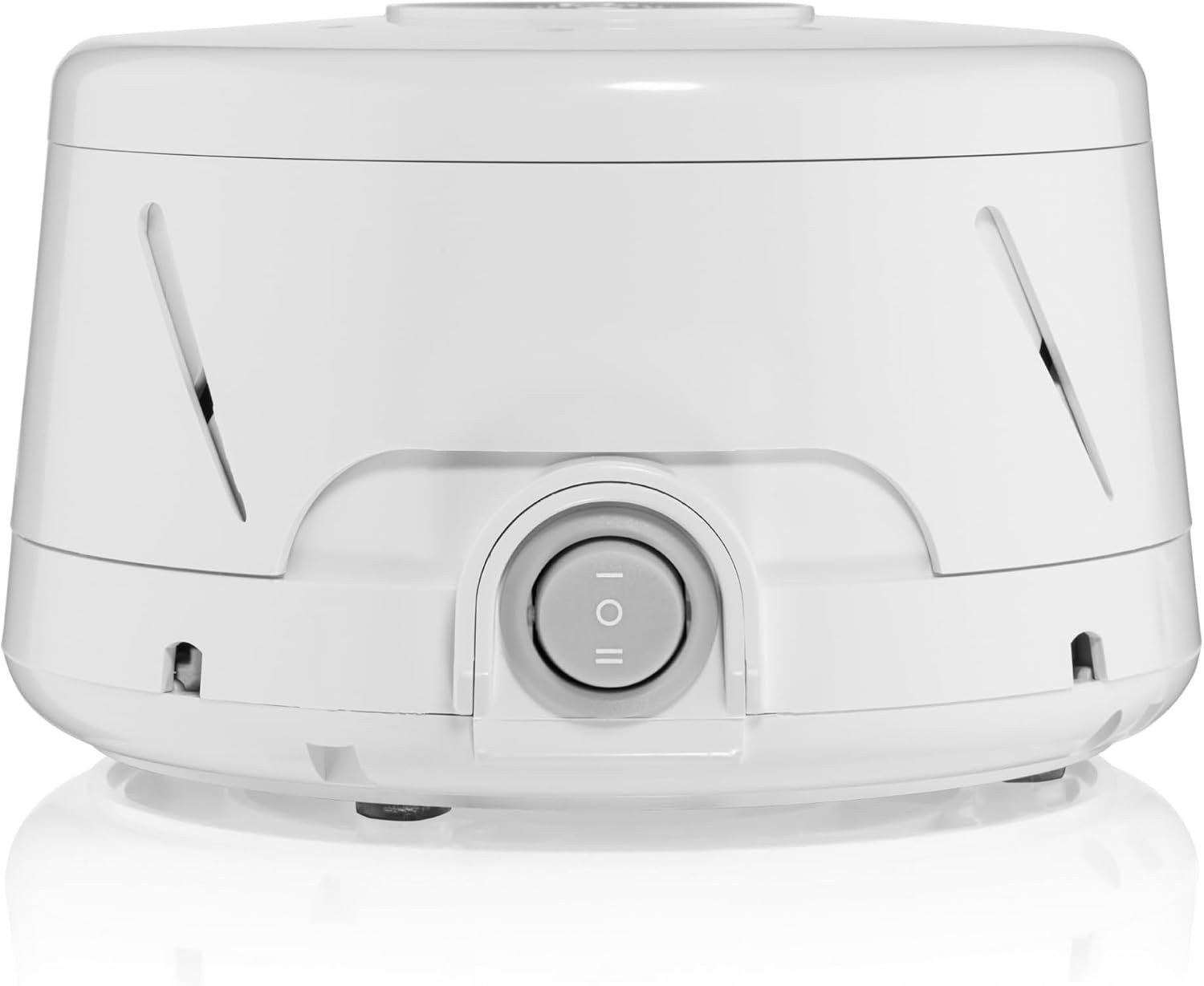
Yogasleep Dohm Classic White-Noise Machine — White
The Dohm Classic makes its sound with an actual fan inside a shell you twist to shape the tone, so the noise is continuous air rather than a recording. It suits people who want a gentle, natural masking sound in an ordinary bedroom and no electronics to manage. Its limits are volume — a small fan cannot cover a loud street — and a mains cord with no battery.
If the free changes were not enough
Measure the room before you change anything in it.
-
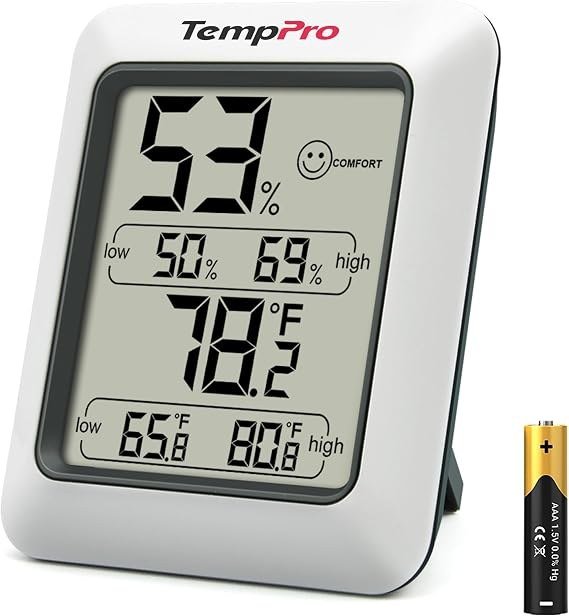
ThermoPro TP50 Temperature and Humidity Monitor
Best for
Anyone who wants to know the bedroom's temperature and humidity for the least money and without an app.
What it does well
- Stated accuracy of ±1°F and ±2–3% RH is more than enough to know whether a room is dry or hot
- No app, no account, no Wi-Fi — a number on a screen you can read from bed
Trade-offs
- No logging: you get the high and low, not when they happened
- The Amazon listing now shows the brand "TempPro (Previously ThermoPro)" — the product appears unchanged, but check the listing
-

Pure Bamboo Sheet Set — 100% Viscose from Organic Bamboo, Queen
Best for
Warm sleepers who want a cool, silky sheet and will follow gentle care instructions.
What it does well
- Bamboo viscose feels cooler and smoother against skin than cotton percale or sateen at similar prices
- Wicks moisture well, which is what a warm sleeper actually needs from a sheet
Trade-offs
- Viscose pills and thins faster than long-staple cotton; treat them gently and expect a shorter life
- "Organic bamboo" refers to the crop; making viscose is a chemical process, and the sheets are not "organic" in the textile sense
-
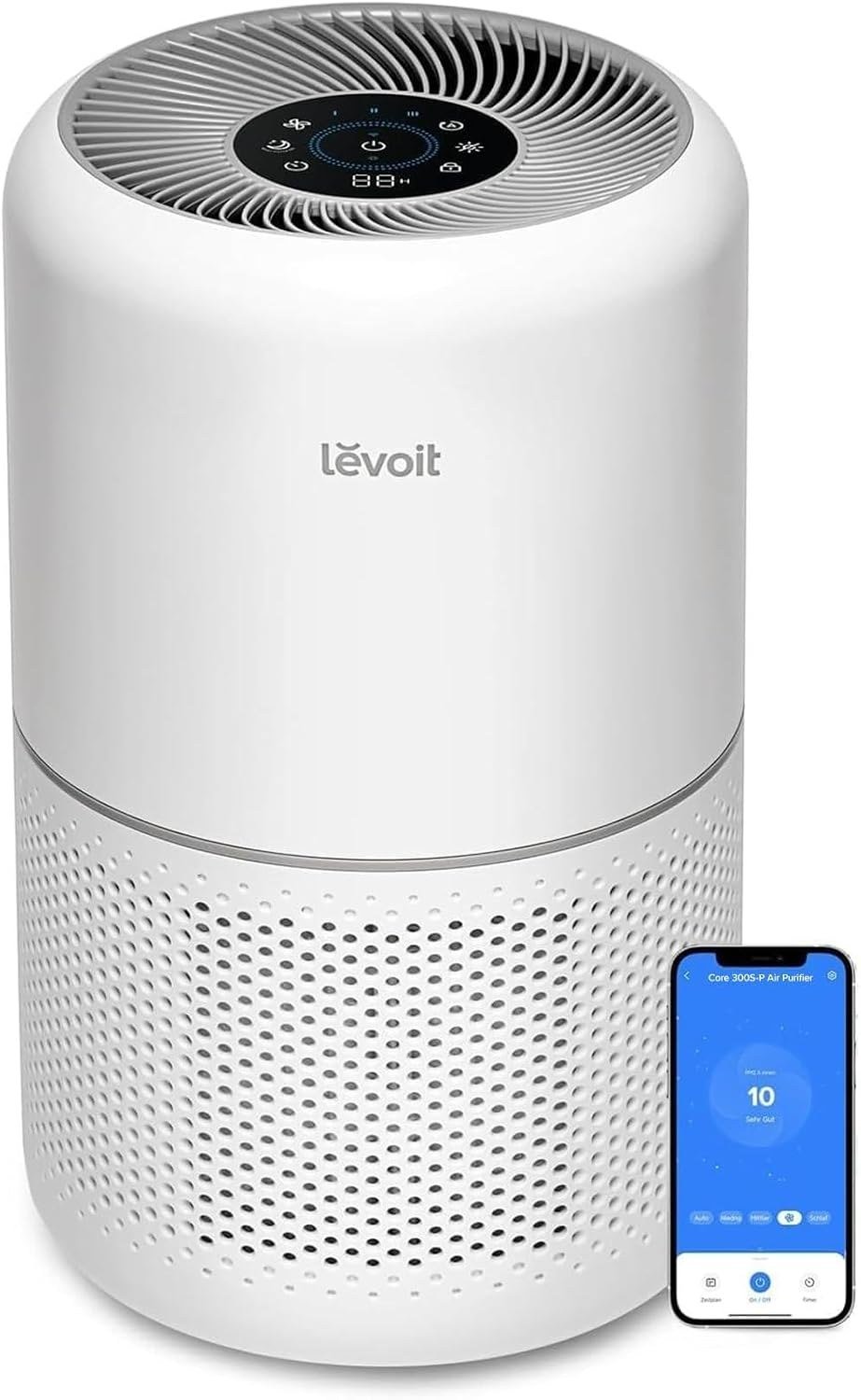
Levoit Core 300S-P Smart Air Purifier — White
Best for
Bedrooms and small rooms where allergens or dust are the issue, and the purifier must run silently overnight.
What it does well
- Sleep mode in the low-20s dB per Levoit — quiet enough to sit beside the bed
- Small footprint for a nightstand or corner, unlike the tower-sized WINIX
Trade-offs
- Levoit's large-room figure is one air change per hour; for the four or five changes allergy guidance suggests, treat it as a small-room purifier
- Filters are a recurring cost every several months, and the sensor-driven auto mode can run the fan up at night
-
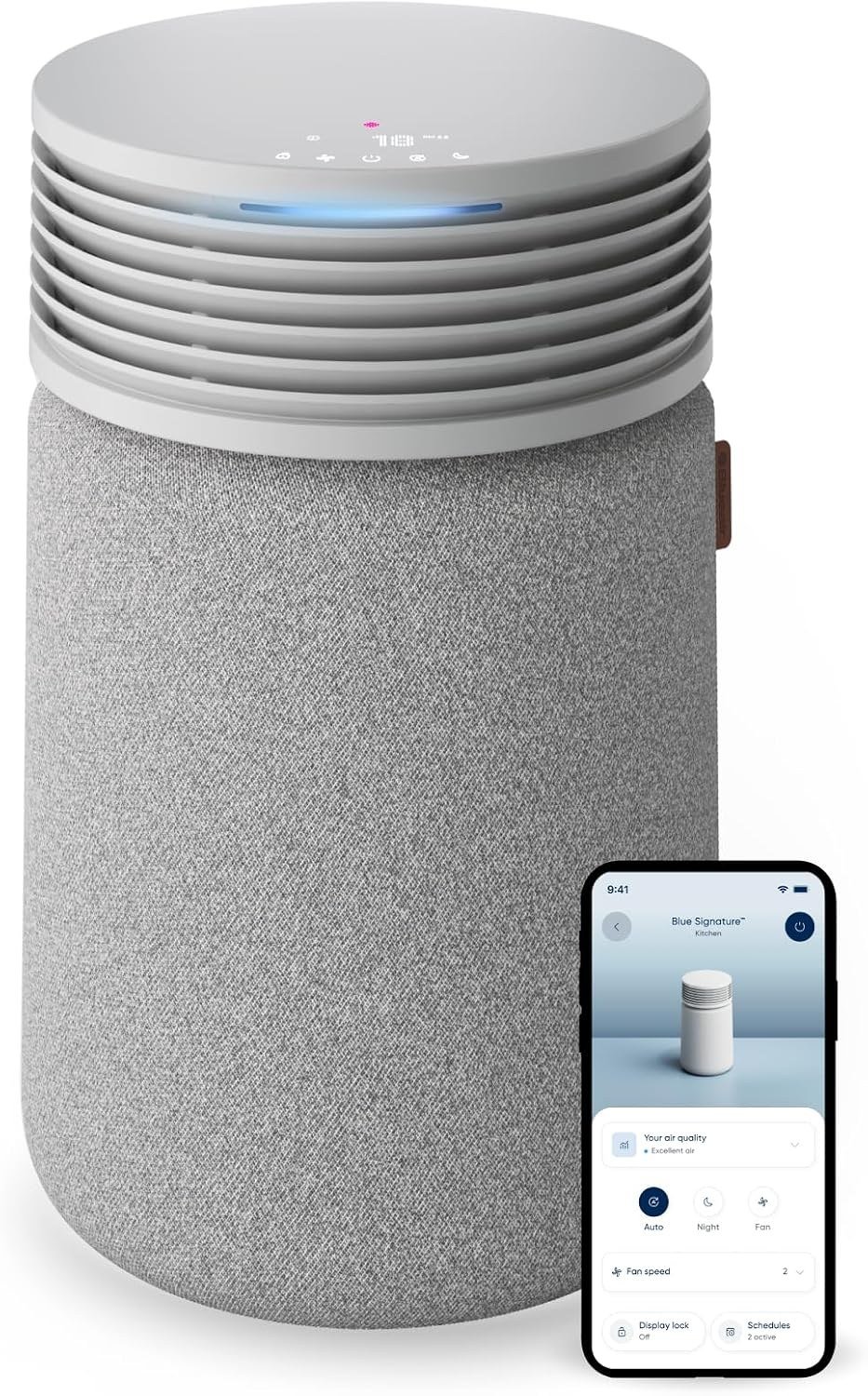
Blueair Blue Pure 411i Max Smart Air Purifier
Best for
Small bedrooms where silence and a low footprint matter most — if you can confirm you are buying a 411i Max.
What it does well
- An 18 dB floor per Blueair — the quietest stated low setting of any purifier we list
- HEPASilent combines an electrostatic charge with a mechanical filter, letting a low fan speed move more air quietly
Trade-offs
- Discontinued by Blueair: replacement filters will become harder to find over time
- The Amazon listing under this ASIN rendered a different model (Signature SP3i) when we checked — you may not receive a 411i Max
-
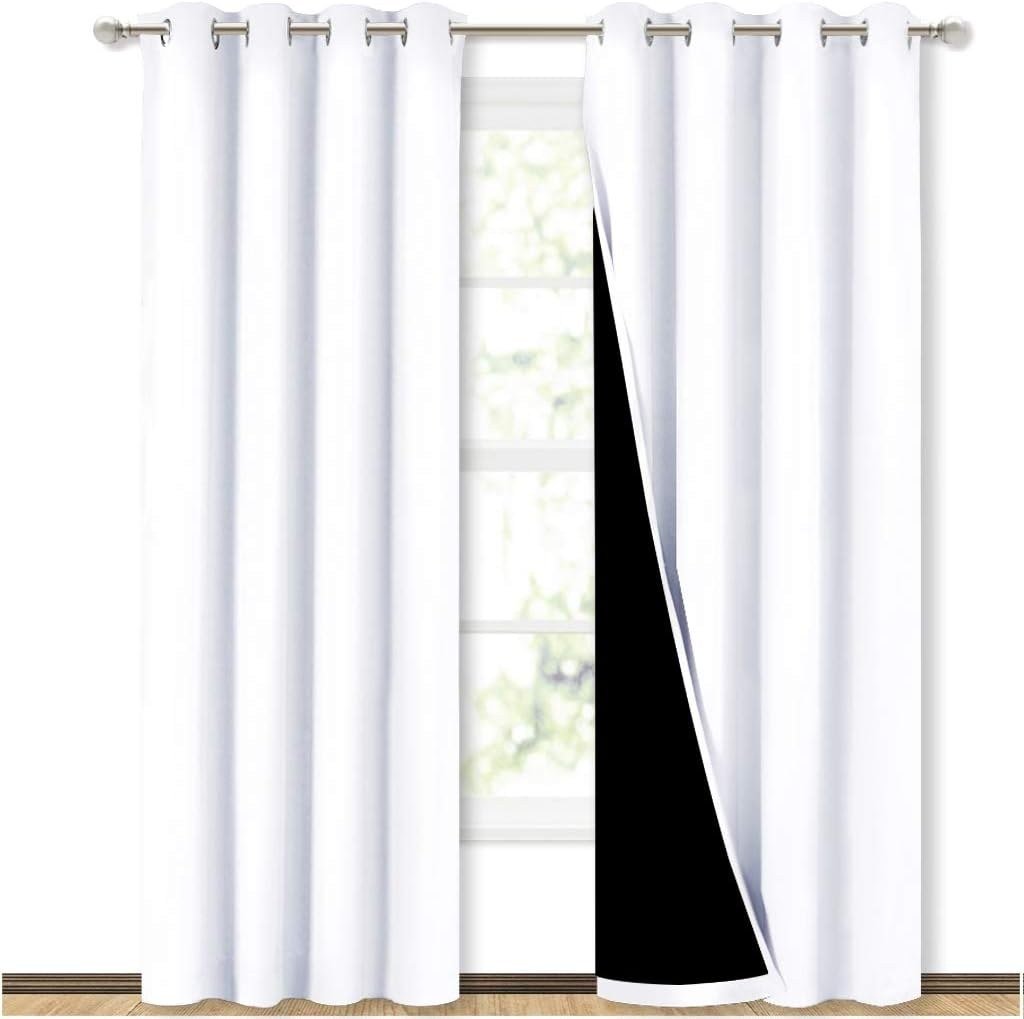
NICETOWN 100% Blackout Curtain Panels — 52 x 84 Inches, Set of 2
Best for
Early risers in bright rooms, shift workers, couples where one person will not wear a mask, and anyone with a streetlight outside the window.
What it does well
- Darkens the room for everyone in it — no strap, no mask, nothing on the face
- The "100% blackout" line has a light-blocking back, unlike the thinner room-darkening ranges
Trade-offs
- Edge and top leakage are the rule, not the exception, unless you use a wraparound rod or side tracks
- The noise-reduction claim is marketing: heavy fabric softens echo slightly but does not block outdoor noise
After the temperature and sound sections, once the free changes have been made and the reader is deciding whether anything actually needs buying.
Light Physics and Melatonin
The fundamental physics of light and its profound, highly specific interaction with the human endocrine system, specifically concerning the endogenous production and regulation of the hormone melatonin, constitutes a central and absolutely critical pillar in the architectural design of the ideal bedroom setup. Melatonin, frequently referred to in chronobiology as the "hormone of darkness," is synthesized and secreted by the pineal gland, a small endocrine gland located deep within the brain. It serves as the primary biochemical messenger communicating the time of day to the body's internal biological clock, thereby masterfully regulating the entire sleep-wake cycle. The complex synthesis and subsequent release of melatonin are exquisitely and almost instantaneously sensitive to ambient light exposure, particularly to short-wavelength blue light falling within the highly specific spectral range of approximately 460 to 480 nanometers. Highly specialized photoreceptive cells located in the retina of the eye, known scientifically as intrinsically photosensitive retinal ganglion cells (ipRGCs), directly and continuously detect this specific wavelength of light. Upon detection, these cells transmit powerful neural signals directly to the suprachiasmatic nucleus (SCN), which serves as the brain's master circadian pacemaker. Exposure to intense blue light during the evening hours forcefully and rapidly suppresses the natural production of melatonin, essentially tricking the brain into perceiving that it is still broad daylight. This artificial suppression dramatically increases neurological alertness, significantly elevates core body temperature, and severely delays the onset of physiological sleep. Consequently, implementing a regime of rigorous, uncompromising light management within the bedroom environment is strictly non-negotiable for anyone seeking optimal sleep architecture. The primary objective is to achieve a state of absolute, complete darkness during the intended sleep period and to carefully, deliberately control the spectral composition of light exposure in the critical hours immediately leading up to bedtime. Total, uncompromising light elimination necessitates the installation of high-quality, completely opaque blackout curtains or specialized cellular shades that fit exceptionally snugly against the window frame, utilizing side channels to categorically prevent even the slightest light leakage from external streetlamps, passing vehicles, or ambient urban skyglow. Furthermore, the pervasive and constant presence of modern electronic devices in the bedroom—including smartphones, luminous tablets, and high-definition televisions—presents a massive, scientifically validated biological hazard due to their intense, concentrated blue light emissions. A scientifically sound, optimized sleep environment necessitates the complete removal of these disruptive devices from the bedroom entirely. If removal is impossible, it requires the strict, unwavering implementation of highly effective blue-light-filtering software, combined with the use of specialized blue-blocking optical glasses well before the intended sleep time. During the evening transition period, all ambient bedroom lighting should be deliberately transitioned to warm, extremely long-wavelength sources, primarily utilizing red or deep amber hues. These specific wavelengths have been scientifically proven to have a negligible, almost undetectable impact on the delicate process of melatonin suppression. Conversely, carefully timed, deliberate exposure to highly intense, bright broad-spectrum light immediately in the morning is equally crucial for robustly anchoring the circadian rhythm and rapidly suppressing any residual circulating melatonin, thereby aggressively promoting daytime alertness and cognitive performance. The strategic use of sophisticated dawn-simulating alarm clocks that gradually and naturally increase light intensity over a designated period can perfectly mimic a natural sunrise, facilitating a highly gentle and physiologically appropriate neurological awakening process. By meticulously, scientifically managing the precise spectral composition and overall intensity of light within the bedroom, individuals can powerfully and effectively synchronize their circadian rhythms and fully optimize the critical endocrine pathways essential for highly restorative sleep.
NICETOWN 100% Blackout Curtain Panels — 52 x 84 Inches, Set of 2
NICETOWN's 100% blackout panels are grommet-top curtains with a light-blocking back that darkens a bedroom rather than one pair of eyes. They suit early risers, shift workers and anyone who shares a bed with a mask-hater. The trade-off is installation: without a wraparound rod or side channels, light leaks at the edges and a mask may still be needed for total darkness.
Ergonomics and Bedding Materials
The direct physical interface situated between the resting sleeper and the bed itself—a complex interplay encompassing advanced structural ergonomics and the highly specialized science of modern bedding materials—constitutes the final, yet absolutely critical, dimension of the comprehensively optimized ideal bedroom setup. While the precise management of thermoregulation, acoustic profiles, and light exposure primarily govern the environmental and sensory inputs, the fundamental structural support and tactile, dermatological qualities of the sleep surface directly dictate the musculoskeletal recovery, spinal alignment, and physical comfort necessary for truly uninterrupted, deep sleep. Ergonomically speaking, the primary, overriding function of a scientifically sound mattress and its accompanying pillow is to perfectly maintain the natural, neutral alignment of the human spine, effectively alleviating harmful mechanical pressure on the intervertebral discs, delicate joints, and the surrounding supportive musculature. A sleep surface that is excessively rigid and unyielding can rapidly create highly localized pressure points, primarily at the hips and shoulders, which restricts peripheral capillary blood flow, induces local tissue ischemia, and subsequently forces frequent, sleep-fragmenting positional shifts throughout the night. Conversely, a degraded mattress lacking adequate internal structural support can cause the heavier portions of the body, particularly the pelvis, to sag unnaturally, leading to significant muscular tension, spinal misalignment, and chronic lower back discomfort upon waking. The optimal degree of firmness is a highly individualized metric, depending intricately on the sleeper's specific body weight, anatomical morphology, and their strongly preferred sleep position (whether they are supine, lateral, or prone sleepers). Advanced, state-of-the-art materials, such as ultra-high-density viscoelastic memory foams, highly precision-engineered independently pocketed micro-coils, and hyper-responsive aerated natural latex, offer varying, customizable degrees of body contouring and dynamic structural support, allowing for highly tailored, bespoke ergonomic solutions. Moving beyond the internal structural support of the mattress, the intricate material science of the superficial bedding itself profoundly and continuously influences the thermal microclimate and the overall sensory experience of the sleeper. The deliberate selection of specific fabrics that come into direct, prolonged contact with the skin is absolutely crucial for minimizing abrasive friction, effectively managing insensible moisture production, and preventing undesirable dermatological irritation or hyper-sensitivity. For example, purposefully investing in a high-performance product such as the [[PRODUCT:slip-original-queen-pure-silk-pillowcase-white]] offers highly significant, scientifically validated physiological and cosmetic advantages. Pure, ultra-high-grade mulberry silk possesses a remarkably smooth, exceptionally low-friction surface structure at the microscopic level. This unique structural characteristic significantly and measurably reduces the physical, mechanical stress exerted on delicate facial skin tissue and fragile hair cuticles during normal nocturnal positional changes, thereby effectively minimizing the formation of permanent sleep creases and drastically preventing mechanical hair breakage. Furthermore, high-quality natural silk is inherently hypoallergenic, highly resistant to dust mites, and exhibits absolutely excellent thermal regulation properties, remaining incredibly cool to the touch and highly breathable, which perfectly and synergistically supports the critical physiological thermoregulatory processes discussed previously in this guide. The careful choice of foundational sheets, insulating duvets, and supplementary blankets should similarly and rigorously prioritize natural, highly breathable, and technologically advanced moisture-wicking materials. Textiles such as long-staple Egyptian cotton, sustainably sourced bamboo-derived viscose, or premium European linen actively and continuously pull perspiration away from the body through capillary action, maintaining a consistently dry, thermally stable, and exceptionally comfortable microclimate. By systematically and analytically optimizing the core ergonomics of the sleep surface and carefully, deliberately selecting technologically advanced and biologically appropriate bedding materials, one can successfully create a physically restorative, highly therapeutic environment that drastically reduces musculoskeletal strain and sensory discomfort, reliably facilitating the absolute deepest, most profoundly restorative levels of physical recovery.
Conclusion
In final conclusion, the meticulous and deliberate construction of the absolute ideal bedroom setup represents a highly sophisticated, multi-disciplinary integration of advanced environmental science, human circadian physiology, and recent material engineering. It is not a passive exercise in interior design, but rather a highly proactive, scientifically informed, and deliberate process of carefully curating a localized environment that perfectly and flawlessly aligns with our deeply ingrained biological needs for neurological rest and physical recovery. By systematically, rigorously, and analytically addressing the fundamental core pillars of sleep hygiene—specifically encompassing precise thermoregulation, advanced acoustic control and masking, rigorous spectral light management, and bespoke ergonomic musculoskeletal support—we possess the incredible capability to completely transform our standard bedrooms from mere functional sleeping quarters into highly optimized, clinical-grade recovery environments. The extensive body of scientific and clinical evidence is absolutely unequivocal on this matter: maintaining a distinctly cool ambient room temperature actively and physiologically facilitates the necessary, circadian-driven decline in core body heat; implementing rigorous acoustic masking and robust physical soundproofing successfully protects the fragile, highly sensitive architecture of deep slow-wave sleep from disruptive, unpredictable environmental noise pollution; exercising meticulous, uncompromising control over nocturnal light exposure, particularly the complete elimination of short-wavelength blue light, powerfully safeguards the vital endogenous production of the sleep hormone melatonin; and the highly strategic, informed selection of structurally supportive mattresses coupled with premium, exceptionally low-friction bedding materials ensures completely optimal musculoskeletal alignment and profound dermatological comfort. Successfully implementing these rigorous, science-based principles undoubtedly requires a highly thoughtful, comprehensive, and potentially investment-heavy approach, but the physiological and cognitive dividends paid are truly immeasurable in their scope and impact. A comprehensively and scientifically optimized sleep environment not only dramatically and noticeably reduces sleep latency and significantly minimizes highly disruptive nocturnal awakenings, but it also significantly and quantifiably enhances the overall architectural quality and profound restorative capacity of our nightly sleep. This substantial improvement in sleep quality, in turn, directly and unmistakably translates to truly profound improvements in daytime cognitive function, sustained emotional resilience, robust metabolic health, optimized immune system efficacy, and long-term cardiovascular well-being. Ultimately, actively prioritizing the scientific design and precise calibration of an ideal, hyper-optimized bedroom is undeniably one of the most powerful, impactful, and thoroughly scientifically validated lifestyle interventions available to modern humans for consistently elevating our overall baseline health, maximizing our subjective well-being, and optimizing our daily peak performance.


Join the conversation
Questions and experiences are welcome. Every comment is read by a person before it appears, and your email address is never published.
No comments yet — yours would be the first.