Welcome to the most frustrating experience known to humanity. You have spent the entire day battling against an overwhelming wave of exhaustion, barely keeping your eyes open during important meetings, relying on multiple cups of coffee just to sustain a baseline level of functioning. Your muscles ache, your brain feels like it is wrapped in dense fog, and all you can think about is the precise moment when your head will finally hit the pillow. You endure the evening routine with heavy limbs, brush your teeth in a state of near-somnambulism, and finally, mercifully, collapse into bed. But then, a cruel physiological joke is played upon you: the moment the lights go out and the room falls silent, your mind suddenly snaps into high definition. The exhaustion remains trapped in your body, but your brain begins racing at a million miles an hour. You are incredibly tired, yet you absolutely cannot sleep. This infuriating paradox—being physically drained but neurologically wired—is not a personal failing; rather, it is a complex intersection of neurobiology, endocrinology, and behavioral conditioning. When the delicate balance between sleep drive and the body's internal arousal systems is disrupted, the result is a state of wired exhaustion that can persist for hours, leaving you watching the clock with mounting anxiety. Understanding the mechanics behind why you are tired but cannot sleep is the first critical step toward untangling the biological wires and finally achieving the restorative rest your body so desperately craves. This comprehensive analysis will explore the deep-seated physiological mechanisms that trigger this phenomenon, from the role of cortisol and the sympathetic nervous system to the mismatch between physical fatigue and circadian alerting signals. We will look at the science of hyperarousal, the mysterious second wind, and how targeted interventions can help ground a nervous system stuck in overdrive.
The Paradox of Exhaustion and Hyperarousal
To understand why you can be bone-tired yet entirely incapable of falling asleep, we must first examine the concept of hyperarousal. In the context of sleep medicine, hyperarousal refers to a state of elevated physiological and psychological tension that directly counteracts the body's natural sleep processes. It is a fundamental disruption in the autonomic nervous system, specifically an overactivation of the sympathetic branch—commonly known as the fight or flight response. When you are operating under chronic stress, anxiety, or even simply a high cognitive load throughout the day, your brain's amygdala (the fear and emotion processing center) begins to signal to the rest of the body that there is a persistent threat. This threat does not have to be a physical danger; it can be a looming deadline, financial worries, or even the subtle, pervasive anxiety of modern life. Consequently, your body remains in a heightened state of vigilance, releasing excitatory neurotransmitters like norepinephrine and adrenaline.
The paradox emerges because physical exhaustion and central nervous system arousal are not mutually exclusive. Your muscles can be depleted of glycogen, and your adenosine levels (the chemical that builds up throughout the day to create sleep pressure) can be extremely high, signaling profound physical fatigue. However, if the sympathetic nervous system is concurrently firing, the brain interprets this arousal as a signal that it is not safe to lose consciousness. The prefrontal cortex, responsible for executive function and rational thought, often struggles to override the primal, survival-driven signals emanating from the amygdala. As a result, you lie in bed with a body that is practically paralyzed with fatigue, while your brain is actively scanning the environment—and your own thoughts—for non-existent threats.
This state of hyperarousal manifests in several measurable physiological ways. Your heart rate variability (HRV) decreases, indicating a dominance of stress responses over relaxation. Your core body temperature, which needs to drop for optimal sleep initiation, may remain elevated due to the metabolic demands of stress hormones. Even your brainwave activity shifts, showing increased beta waves (associated with active, waking thought) precisely when you should be transitioning into the slower alpha and theta waves that herald the onset of sleep. The tragedy of this paradox is that the more exhausted you become, the more stressed your body feels about being exhausted, which only further fuels the hyperarousal. Breaking this cycle requires more than just waiting for sleep to come; it demands active, deliberate interventions designed to manually down-regulate the sympathetic nervous system and signal to the brain that the environment is unequivocally safe. It requires a profound understanding of how your nervous system functions and what triggers these inappropriate arousal states.
Cortisol Spikes and the Second Wind Phenomenon
Another critical biological factor contributing to the tired but wired state is the dysregulation of cortisol, the body's primary stress hormone. Under normal, healthy conditions, cortisol follows a distinct diurnal curve: it peaks sharply in the early morning to help you wake up and feel alert (the cortisol awakening response), and then gradually tapers off throughout the day, reaching its lowest point in the late evening, around the time you intend to go to sleep. This steep drop in cortisol is essential because it creates a biochemical environment that allows melatonin (the hormone that regulates the sleep-wake cycle) to take over and initiate sleep.
However, modern lifestyle factors, chronic stress, and poor sleep hygiene can profoundly alter this natural rhythm. When you are exposed to acute stressors or engaging in highly stimulating activities late in the evening—such as intensely working, engaging in emotional conversations, or even engaging in vigorous exercise—your adrenal glands may release a surge of cortisol precisely when levels should be bottoming out. This evening cortisol spike acts as an aggressive alerting signal, completely overriding the accumulated sleep pressure. It is this biochemical surge that is largely responsible for the infamous second wind phenomenon. You may have felt utterly exhausted at 8:00 PM, ready to collapse on the couch, but by the time you actually get into bed at 11:00 PM, you suddenly feel strangely alert, energized, and utterly incapable of sleep.
The second wind is not a true restoration of energy; it is an emergency reserve fueled by stress hormones. The body, interpreting your continued wakefulness and stress as an indication that you need to stay alert for survival purposes, floods your system with cortisol and adrenaline to keep you going. This is a highly catabolic state that breaks down tissues to provide quick energy, further taxing an already exhausted system. Furthermore, cortisol actively suppresses melatonin production. The two hormones have an inverse relationship; when cortisol is high, melatonin is inherently low. Therefore, even if you have built up a massive amount of adenosine (sleep drive) throughout the day, the presence of elevated cortisol will block the transition into sleep. Managing this requires a conscious effort to protect the evening hours from cortisol-spiking activities. This means establishing a rigid wind-down routine that prioritizes relaxation and minimizes exposure to blue light, which can also artificially suppress melatonin and trick the brain into thinking it is daytime. If the cortisol curve is not respected and managed, the second wind will continually sabotage your attempts to sleep, leaving you wired and exhausted.
Circadian Misalignment vs. Physical Fatigue
To fully grasp why you cannot sleep despite profound physical fatigue, we must look at the two-process model of sleep regulation, first proposed by Alexander Borbély in the early 1980s. This model posits that sleep is governed by two interacting, yet distinct, systems: Process S (the homeostatic sleep drive) and Process C (the circadian rhythm). Process S is relatively straightforward; it represents the accumulation of sleep pressure. The longer you are awake, the more adenosine builds up in your brain, and the stronger the physiological need for sleep becomes. This is the source of the physical exhaustion you feel. Process C, however, is a biological clock located in the suprachiasmatic nucleus (SCN) of the hypothalamus. It generates an alerting signal that fluctuates in a 24-hour wave, independent of how much sleep you have had.
The interaction between these two processes dictates when we feel sleepy and when we feel alert. Under ideal conditions, Process S peaks in the late evening just as the alerting signal from Process C begins to decline, creating the perfect biological window for sleep onset. However, when these two systems become misaligned, the result is the agonizing experience of being tired but unable to sleep. A classic example of this misalignment occurs when you try to go to sleep during what sleep scientists refer to as the forbidden zone for sleep or the wake maintenance zone. This is a period, typically in the early evening (e.g., 7:00 PM to 9:00 PM for someone with a standard schedule), when the circadian alerting signal reaches its absolute daily maximum to counteract the intensely high sleep pressure built up over the day. If you try to sleep during this window—perhaps because you are overwhelmingly exhausted from a poor night's sleep prior—you will find it nearly impossible to drift off, as the circadian alerting signal is actively fighting your fatigue.
Furthermore, circadian misalignment can be exacerbated by inconsistent sleep schedules, shift work, jet lag, and inappropriate light exposure. If you consistently stay up late on weekends and sleep in, you shift your circadian clock later. Come Sunday night, when you try to go to sleep at a normal time to prepare for the workweek, your homeostatic sleep drive (Process S) might be high, but your circadian clock (Process C) still thinks it is late afternoon, blasting your brain with alerting signals. Your body is physically tired, but your biological clock is screaming that it is time to be awake. Resolving this conflict requires meticulous attention to circadian hygiene: anchoring your wake time to the exact same hour every single day, exposing your eyes to bright, natural sunlight immediately upon waking to set the SCN, and ruthlessly minimizing light exposure in the hours before bed. Only by realigning Process C with Process S can you ensure that your biological clock works with your fatigue, rather than against it.
Sleep-friction audit
Remove the simplest sleep friction before buying a complicated solution.
-
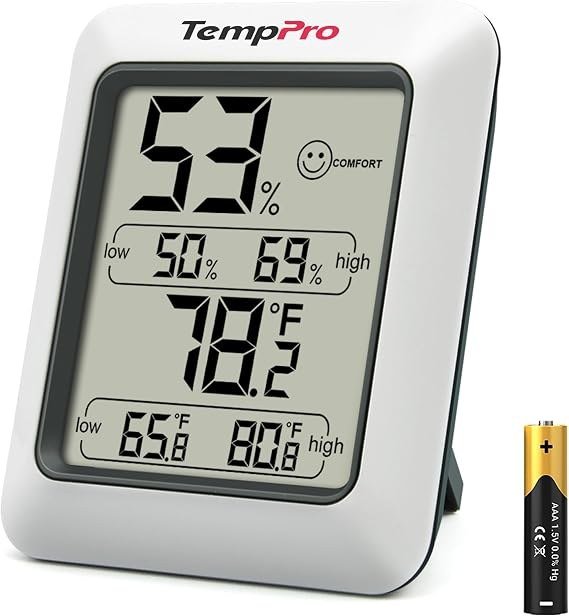
ThermoPro TP50 Temperature and Humidity Monitor
Best for
Anyone who wants to know the bedroom's temperature and humidity for the least money and without an app.
What it does well
- Stated accuracy of ±1°F and ±2–3% RH is more than enough to know whether a room is dry or hot
- No app, no account, no Wi-Fi — a number on a screen you can read from bed
Trade-offs
- No logging: you get the high and low, not when they happened
- The Amazon listing now shows the brand "TempPro (Previously ThermoPro)" — the product appears unchanged, but check the listing
-
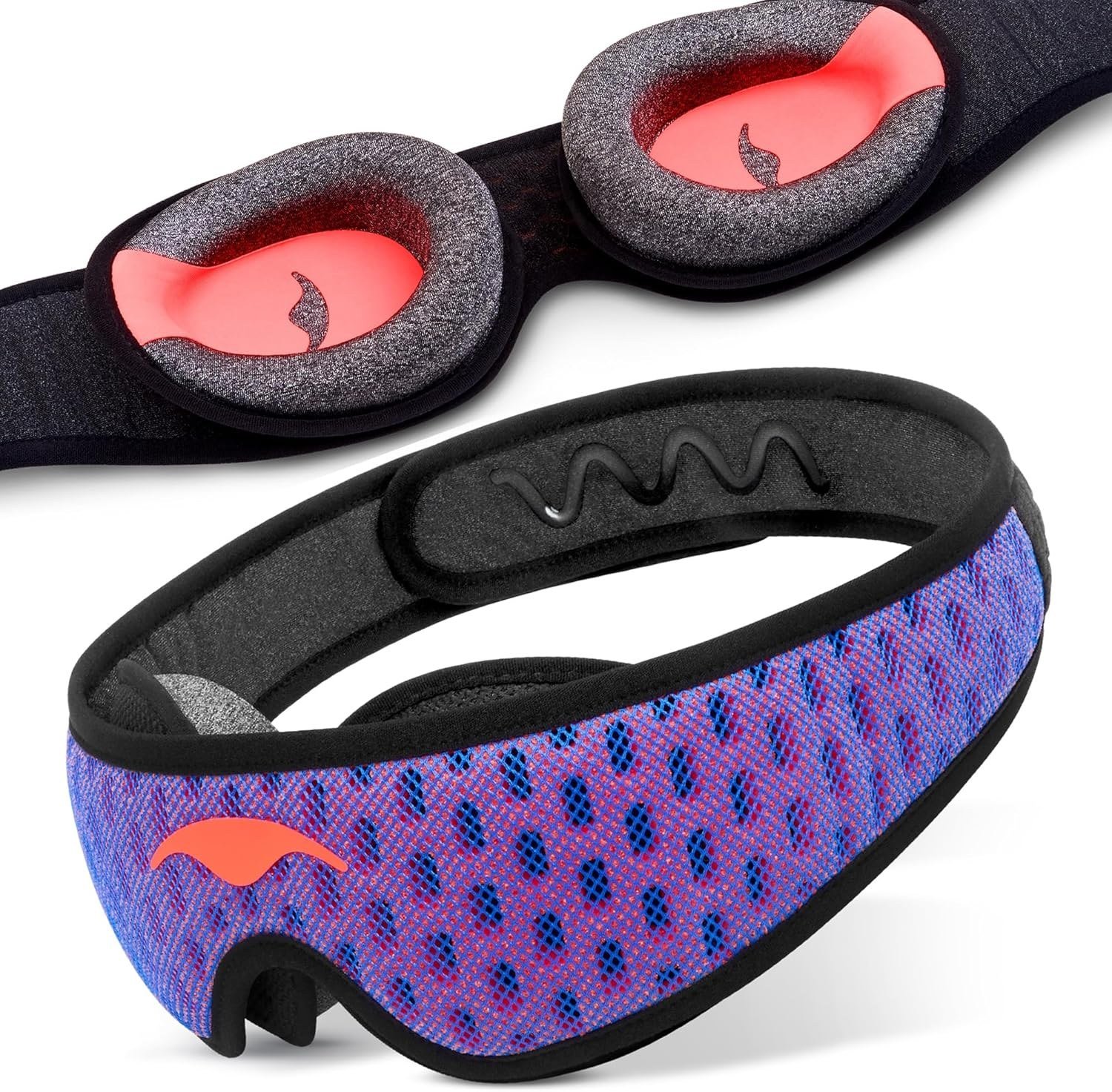
Manta PRO Sleep Mask
Best for
Side sleepers, shift workers and anyone whose flat masks leak light at the nose — people who will trade some bulk for a seal they can adjust.
What it does well
- Eye cups reposition along the strap, so the seal follows your face instead of a fixed average
- Deep cups leave a hollow in front of the eyes — you can blink freely, which matters during REM
Trade-offs
- Noticeably bulkier than a flat silk mask; stomach sleepers who press into the pillow will feel it
- Priced at the top of the category — MZOO and Nidra deliver a similar blackout for less
-
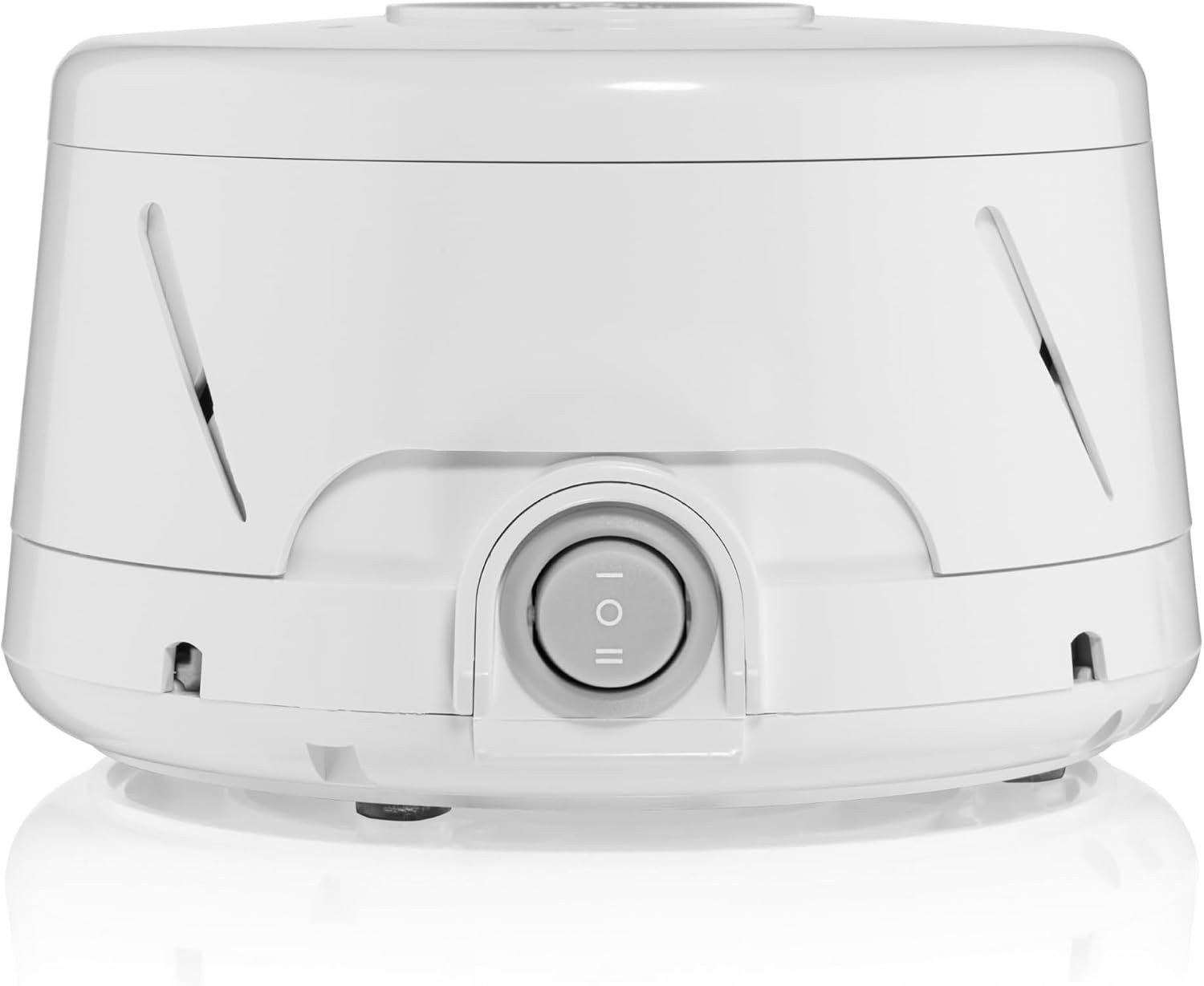
Yogasleep Dohm Classic White-Noise Machine — White
Best for
People in ordinary bedrooms who want the softest, most natural masking sound and no technology.
What it does well
- Sound comes from moving air, so it cannot loop and has the soft texture people associate with a real fan
- Two speeds plus a twist-to-adjust housing give more tonal range than the single dial suggests
Trade-offs
- A small fan has a hard volume ceiling; it will not cover heavy traffic or loud snoring
- Mains power only — no battery and no USB
-
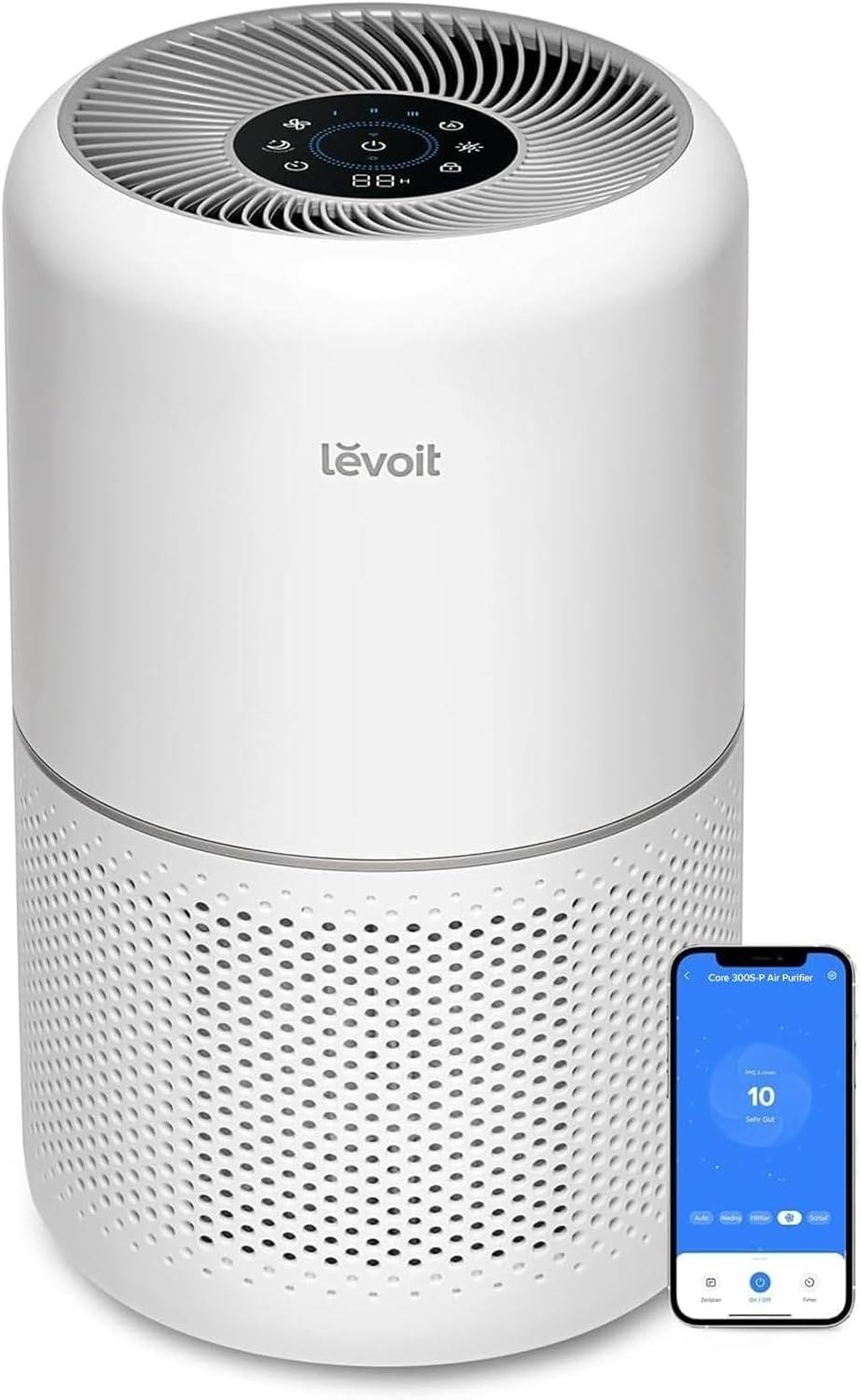
Levoit Classic 300S Smart Humidifier
Best for
Dry bedrooms that need real output, and people who want to set a humidity target and let the sensor run it.
What it does well
- A humidity sensor and auto mode hold a target — Levoit's default 40–50% — instead of running blind
- A 6 L top-fill tank with a stated 60-hour runtime means refilling every couple of days, not every night
Trade-offs
- Ultrasonic mist carries dissolved minerals: hard water leaves white dust on surfaces unless you use distilled or demineralised water
- Standing water in a warm bedroom needs regular cleaning, and there is no run-to-dry or UV step as on the Canopy
After explaining the difference between tiredness and sleep readiness; show the products as a simple environment checklist.
Deep Touch Pressure (DTP) for Grounding
When the nervous system is stuck in a state of hyperarousal and the brain is flooding the body with cortisol, behavioral and environmental interventions are necessary to manually activate the parasympathetic nervous system—the rest and digest counterpart to the fight-or-flight response. One of the most scientifically validated and highly effective methods for achieving this is through the application of Deep Touch Pressure (DTP). Deep Touch Pressure refers to firm, gentle, and consistent sensory input distributed across the body, which mimics the sensation of being held, hugged, or swaddled. This type of tactile stimulation has profound neurological effects, interacting directly with the proprioceptive system to send profound calming signals to the brain.
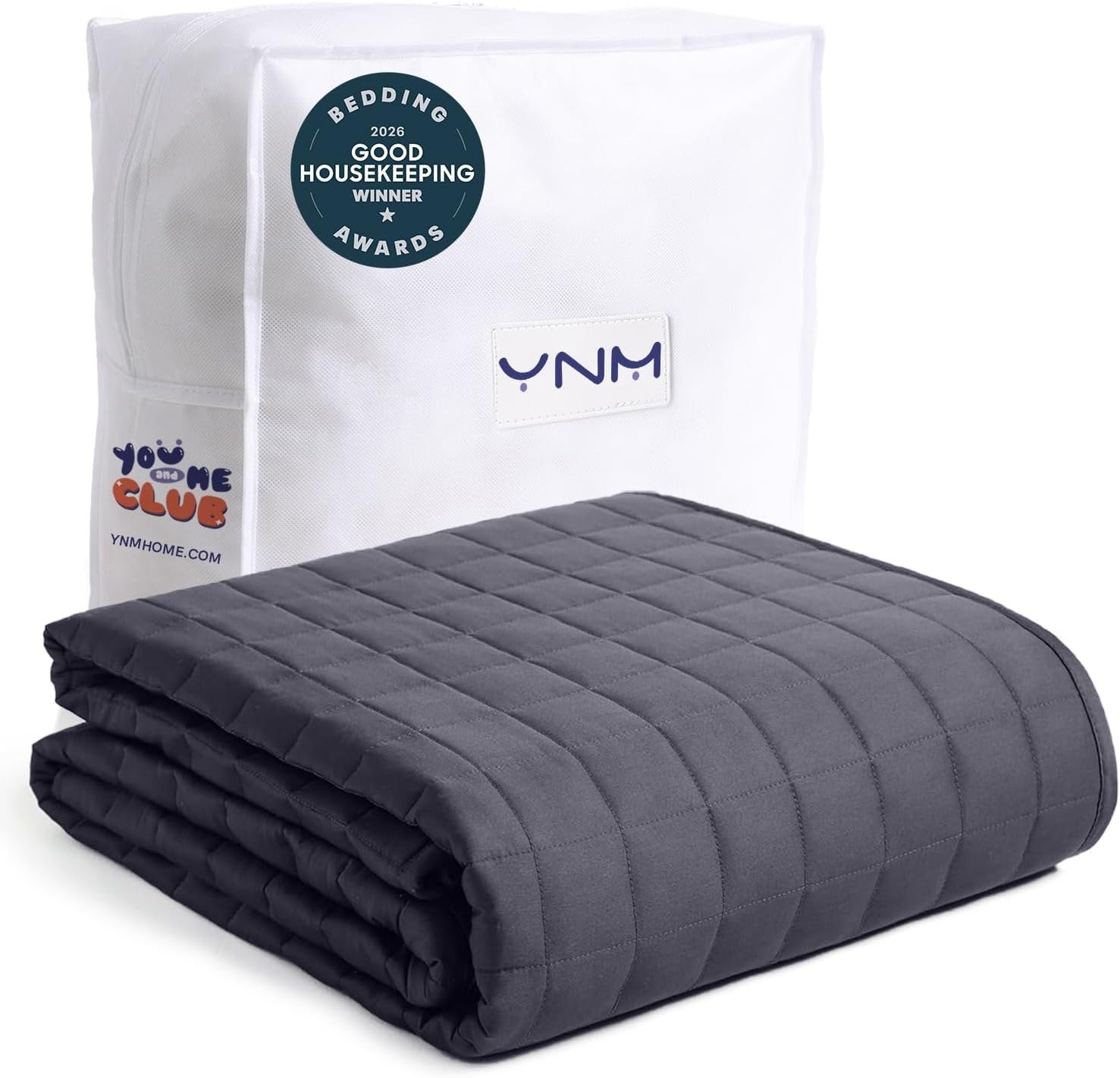
YnM Weighted Blanket — 15 lb, 48 x 72 Inches, Dark Grey
The YnM is a conventional weighted blanket: a cotton shell quilted into small pockets of glass beads, 15 lb at 48 × 72 in, with loops for a duvet cover. It suits people curious about weighted blankets who want to test the idea without spending Bearaby money. Beads make it warm and dense, it is a one-person size, a cover is a near-essential extra, and the evidence for weighted blankets is limited.
The mechanism by which DTP works is rooted in basic neurochemistry. When firm, even pressure is applied to the body, it stimulates the release of serotonin, a critical neurotransmitter responsible for mood regulation and feelings of well-being. Serotonin is also the biochemical precursor to melatonin; therefore, by boosting serotonin levels, DTP naturally facilitates a subsequent increase in melatonin production, precisely what is needed to initiate sleep. Simultaneously, this sustained pressure significantly reduces the production of cortisol, actively combating the stress spikes that keep you wired. The result is a physiological cascade that slows the heart rate, lowers blood pressure, and calms racing thoughts, effectively shifting the autonomic nervous system out of sympathetic dominance and into a parasympathetic state conducive to rest.
To harness the benefits of DTP effectively, specialized sleep tools are often employed. The [[PRODUCT:bearaby-cotton-hand-knit-weighted-blanket]] is an exemplary application of this science, providing significant relief for those suffering from hyperarousal. Unlike traditional weighted blankets that rely on plastic beads or synthetic fillers—which can trap heat and cause discomfort, paradoxically worsening sleep quality—this specific product utilizes a chunky, hand-knit design made entirely from organic cotton. The weight is derived inherently from the layered, dense yarn itself, ensuring a perfectly even distribution of pressure across the body without any shifting or bunching. Crucially, the open-knit structure allows for continuous airflow, preventing the overheating that so often plagues restless sleepers. By draping this breathable weight over a hyperaroused body, you provide the continuous, grounding proprioceptive feedback necessary to manually override the brain's stress signals. The nervous system interprets this deep touch pressure as profound safety and containment, allowing the racing mind to finally yield to the physical exhaustion that has been waiting all day.

Bearaby Cotton Hand-Knit Weighted Blanket
The Bearaby Cotton Napper is a hand-knit weighted blanket whose weight comes from the density of the organic-cotton yarn rather than glass or plastic beads. The linked variant is 15 lb, 40 × 72 in, Moonstone Grey. It suits people who like the feel of weight but overheat under bead-filled blankets, and who want one that machine washes. It is a one-person blanket, it is expensive, and evidence for weighted blankets is limited.
Breaking the Frustration Cycle in Bed
Beyond the physiological and hormonal factors, there is a profound psychological component to being tired but unable to sleep. Over time, experiencing this paradox repeatedly leads to a condition known as psychophysiological insomnia. This is a learned, conditioned response where the bed and the bedroom itself become associated with wakefulness, frustration, anxiety, and struggle, rather than relaxation and sleep. When you spend hours tossing, turning, and aggressively trying to force yourself to sleep, your brain forms a powerful neural link: Bed = Stress. Consequently, the moment you enter the bedroom, your sympathetic nervous system preemptively activates, flooding you with adrenaline in anticipation of the nightly battle. You might have been nodding off on the couch mere moments before, but the act of getting into bed instantly triggers hyperarousal.
Breaking this deeply ingrained frustration cycle is paramount, and it requires a strict adherence to a behavioral technique known as Stimulus Control Therapy. The fundamental rule of stimulus control is that the bed must be used exclusively for sleep and intimate relations. If you are lying in bed, feeling physically exhausted but mentally wired, and you have not fallen asleep within roughly twenty minutes, you must get out of bed. Continuing to lie there while frustrated only reinforces the negative association. You must leave the bedroom entirely, go to a dimly lit, quiet room, and engage in a non-stimulating activity. This could involve reading a mundane book, knitting, or doing light stretching. You should absolutely avoid screens, intense lighting, or anything that requires heavy cognitive engagement. You remain out of bed until—and only until—you feel a genuine, heavy wave of sleepiness return. Only then do you return to bed. If you wake up again and cannot fall back asleep, the process must be repeated.
Another powerful psychological tool to combat the frustration cycle is Paradoxical Intention. This cognitive behavioral technique involves completely reversing your goal: instead of trying desperately to fall asleep (which causes performance anxiety and further arousal), you lie in bed with the explicit goal of staying awake for as long as possible, keeping your eyes gently open in the dark. By removing the pressure to perform (i.e., to sleep), the anxiety surrounding the act of sleeping dissipates. Without the anxiety fueling the hyperarousal, the underlying physical exhaustion is finally allowed to take over. You trick your brain into letting its guard down. Combining these behavioral techniques with physiological grounding methods and rigorous circadian management provides a comprehensive approach to dismantling the tired but wired state. It requires patience and consistency to re-train the brain, but it is entirely possible to break the association between the bed and frustration, restoring the bedroom to a sanctuary of rest. This shift in perspective and habit is absolutely crucial for long term sleep health.
Conclusion
The agonizing experience of being desperately tired yet fundamentally unable to sleep is a complex phenomenon rooted in the intricate interplay between our modern lifestyles and our ancient biological systems. It is not simply a matter of not being tired enough; it is a profound mismatch between high homeostatic sleep pressure and a hyperaroused nervous system. Whether triggered by stress-induced cortisol spikes that create a false second wind, a misalignment of the circadian rhythm forcing the brain to stay alert during the forbidden zone for sleep, or the deeply conditioned psychological frustration of psychophysiological insomnia, the result is the same: a state of wired exhaustion that degrades health and well-being. Overcoming this requires a multifaceted approach that addresses both the physiological and psychological drivers of hyperarousal. By rigorously protecting your circadian rhythm, actively managing evening stress to prevent cortisol surges, utilizing grounding techniques like deep touch pressure to manually activate the parasympathetic nervous system, and employing behavioral strategies to break the negative associations with the bed, you can dismantle the barriers preventing sleep. Understanding the science behind why your brain fights your body's fatigue is the most empowering step toward reclaiming your rest. With consistent application of these evidence-based interventions, you can finally align your nervous system with your physical exhaustion, allowing you to achieve the deep, restorative sleep that has previously felt so frustratingly out of reach. Stay committed to these practices and you will see the results you seek.
Join the conversation
Questions and experiences are welcome. Every comment is read by a person before it appears, and your email address is never published.
No comments yet — yours would be the first.