
In today's hyper-connected, relentlessly paced world, finding the tranquil runway to restorative sleep has become an increasingly elusive pursuit for millions of people across the globe. We toss, turn, and scroll our way into the small hours of the morning, desperate for a reprieve from the cognitive load accumulated throughout the day. Among the countless sleep hygiene practices endorsed by medical professionals, psychologists, and wellness experts alike, one analog tradition continues to stand the test of time: reading a physical book before bed. But does reading before bed actually help you sleep, or is it merely a comforting ritual passed down through generations without empirical backing or scientific validation? The answer, as sleep scientists and neurologists have discovered through rigorous study, is profoundly affirmative, though nuanced by the medium, the material, and the environment. This comprehensive exploration looks closely at the biological and psychological mechanisms that make reading an exceptionally potent tool for combatting insomnia and improving overall sleep architecture. We will dissect the intricate cognitive psychology behind detaching from our daily stressors through immersive narrative transportation. Furthermore, we will critically analyze the significant physiological differences between traditional paper books and modern e-readers, examining how varying light sources interact with our internal circadian rhythms. Understanding the delicate balance of eye fatigue and its direct correlation with melatonin synthesis is absolutely crucial for optimizing your nighttime routine. We will also construct the ultimate blueprint for an ideal pre-sleep reading environment, factoring in ambient lighting, physical posture, and even specialized accessories that can elevate the experience to new heights. Finally, we will navigate the vast landscape of literary genres to identify exactly which types of stories function most effectively as natural sedatives, guiding the active mind into a state of serene preparation for sleep. By the conclusion of this extensive, detailed guide, you will possess a scientifically grounded understanding of why reaching for a book might be the single most effective prescription for a flawless night's rest.
The Cognitive Psychology of Fictional Detachment
When evaluating the efficacy of reading as a sleep aid, we must first examine the psychological mechanism of cognitive detachment. The human brain, particularly in the modern era, is often caught in a relentless cycle of rumination. As we lie in bed, the prefrontal cortex—the area responsible for executive function, planning, and worrying—remains highly active, processing the events of the day and anticipating the challenges of tomorrow. This state of hyperarousal is fundamentally incompatible with the transition into the early stages of non-REM sleep. Reading, particularly absorbing fiction, provides a potent psychological intervention by redirecting our cognitive resources away from our own internal monologue and toward an external narrative. This phenomenon, often referred to by psychologists as "narrative transportation" or "fictional detachment," acts as a cognitive buffer. By immersing ourselves in a story, we force our brains to construct mental imagery, process complex social dynamics of characters, and follow a structured plotline. This focused attention requires significant cognitive bandwidth, leaving little room for the self-referential thoughts and anxieties that typically keep us awake.
The process of fictional detachment is not merely a distraction; it is an active state of cognitive restructuring. When we read, our brain waves transition from the rapid, alert beta waves characteristic of waking consciousness to the slower, more relaxed alpha waves associated with a state of calm focus. As we become more deeply engrossed in the text, these alpha waves can further slow into the theta range, which is the exact frequency our brains produce during the lightest stages of sleep and deep meditation. This gradual down-regulation of brain wave activity is a crucial prerequisite for initiating the sleep cycle. Furthermore, engaging with a narrative can stimulate the release of neurotransmitters that promote relaxation. While anxiety triggers the release of cortisol and adrenaline, the comforting predictability of a well-paced story, or the emotional resonance of character development, can encourage the production of dopamine and serotonin.
However, the degree of detachment achieved is highly dependent on the level of immersion. This is why reading a dense, academically rigorous text or a deeply distressing news article often fails to produce the desired soporific effect. Such materials can either demand too much analytical effort, keeping the brain in a state of high alert, or trigger an emotional stress response. Fictional detachment works best when the material is engaging enough to hold our attention but not so intensely stimulating that it provokes a strong emotional or physiological reaction. The goal is to achieve a state of flow where the boundaries between the reader and the story blur, allowing the mind to gently disengage from reality. By consciously choosing to focus on a narrative, we effectively hijack our brain's tendency to ruminate, replacing anxiety-inducing thoughts with a structured, external focal point that guides us toward the threshold of sleep.
Paper Books vs. E-Readers: Light Emitting Screens
While the psychological benefits of reading are universally acknowledged, the medium through which we consume text plays a critical, often decisive, role in whether the activity facilitates or sabotages our sleep. The debate between traditional paper books and modern e-readers is not merely a matter of aesthetic preference; it is a profound physiological issue centered around our biological response to light. The human circadian rhythm—the internal 24-hour clock that regulates our sleep-wake cycle—is exquisitely sensitive to light exposure. For millennia, this rhythm was synchronized perfectly with the rising and setting of the sun. As darkness fell, our bodies naturally began to produce melatonin, the hormone responsible for signaling to the brain that it is time to sleep. However, the advent of artificial lighting, and specifically the ubiquitous presence of light-emitting screens, has profoundly disrupted this ancient biological mechanism.
When comparing paper books to e-readers, smartphones, and tablets, the critical differentiator is the nature of the light source. A traditional paper book reflects ambient light. To read a physical book in bed, you require an external light source, such as a bedside lamp. This reflected light is generally less intense and possesses a warmer color temperature, which is significantly less disruptive to our circadian alignment. In stark contrast, most modern electronic devices utilize backlit screens that emit a high concentration of short-wavelength, blue-enriched light. This specific spectrum of light is biologically interpreted by the photoreceptors in our retinas as daylight. When we stare directly into a light-emitting screen in the hours leading up to bedtime, we are essentially sending a powerful biological signal to our brain that the sun is shining and we should remain alert.
Numerous clinical studies have definitively demonstrated the deleterious effects of screen-based reading before sleep. Participants who read from light-emitting e-readers before bed consistently exhibit a significant suppression of melatonin production compared to those who read printed books. This suppression delays the onset of sleep, reduces the amount of restorative REM sleep achieved, and leaves individuals feeling groggier and more fatigued the following morning. The proximity of the screen to the face further exacerbates this issue, as the intensity of the light exposure is exponentially greater than that of a distant television or ceiling light. While some dedicated e-readers utilize e-ink technology that mimics the appearance of printed paper and relies on front-lighting rather than backlighting, many still emit a measurable amount of blue light. Even with "night mode" or "blue light filter" settings activated on tablets and smartphones, the direct emission of light remains problematic. Therefore, for those seeking to maximize the sleep-promoting benefits of reading, returning to the tactile, reflective nature of a traditional paper book remains the undisputed gold standard for safeguarding the delicate hormonal balance required for deep, uninterrupted slumber.
Eye Fatigue and Melatonin Production
The physical act of reading induces a specific type of ocular exertion that, when managed correctly, can serve as a powerful physiological catalyst for sleep. To understand this relationship, we must explore the intricate connection between eye fatigue, cranial nerve signaling, and the endocrine system's production of melatonin. When we read, the complex musculature of the eye is engaged in continuous, precise movements. The extraocular muscles control the saccadic movements required to track lines of text, while the ciliary muscles constantly adjust the shape of the lens to maintain focus at a near distance. This sustained muscular effort over an extended period inevitably leads to a state of localized fatigue, commonly experienced as a feeling of "heavy eyelids." This physical tiredness is not merely a byproduct of reading; it is an active signal that the body uses to initiate the sleep sequence.
As the ocular muscles fatigue, sensory information is relayed through the cranial nerves to the brainstem and the hypothalamus. This signaling pathway is intimately connected to the body's parasympathetic nervous system, which is responsible for the "rest and digest" response. The feeling of heavy eyes acts as a biofeedback mechanism, reinforcing the psychological relaxation achieved through reading and signaling to the brain that it is physically time to shut down. This ocular fatigue works synergistically with the brain's internal clock to facilitate the transition from wakefulness to sleep. However, the nature of this fatigue is highly dependent on the reading environment. When reading a physical book under appropriate, warm ambient lighting, the fatigue developed is a natural, healthy tiredness that promotes relaxation.
Conversely, the eye strain caused by reading on digital screens is often counterproductive. Digital eye strain, or computer vision syndrome, is characterized by dry eyes, blurred vision, and a distinct, uncomfortable soreness. This type of strain is caused by the glare of the screen, the high contrast, and the tendency of individuals to blink less frequently when staring at digital devices. Rather than promoting relaxation, this uncomfortable strain can increase tension and alertness. Furthermore, as previously established, the blue light emitted by these screens actively suppresses the pineal gland's secretion of melatonin. Therefore, reading on a device creates a contradictory state: the eyes are experiencing uncomfortable strain, yet the brain is being chemically instructed to remain awake due to melatonin suppression. To leverage ocular fatigue as an effective sleep aid, it is imperative to cultivate a natural tiredness through reading printed material under gentle illumination, allowing the physical weight of the eyelids to act in harmony with the natural surge of melatonin that occurs in a dark, relaxing environment.
After-reading setup card
Keep the transition from reading to lights-out simple.
-
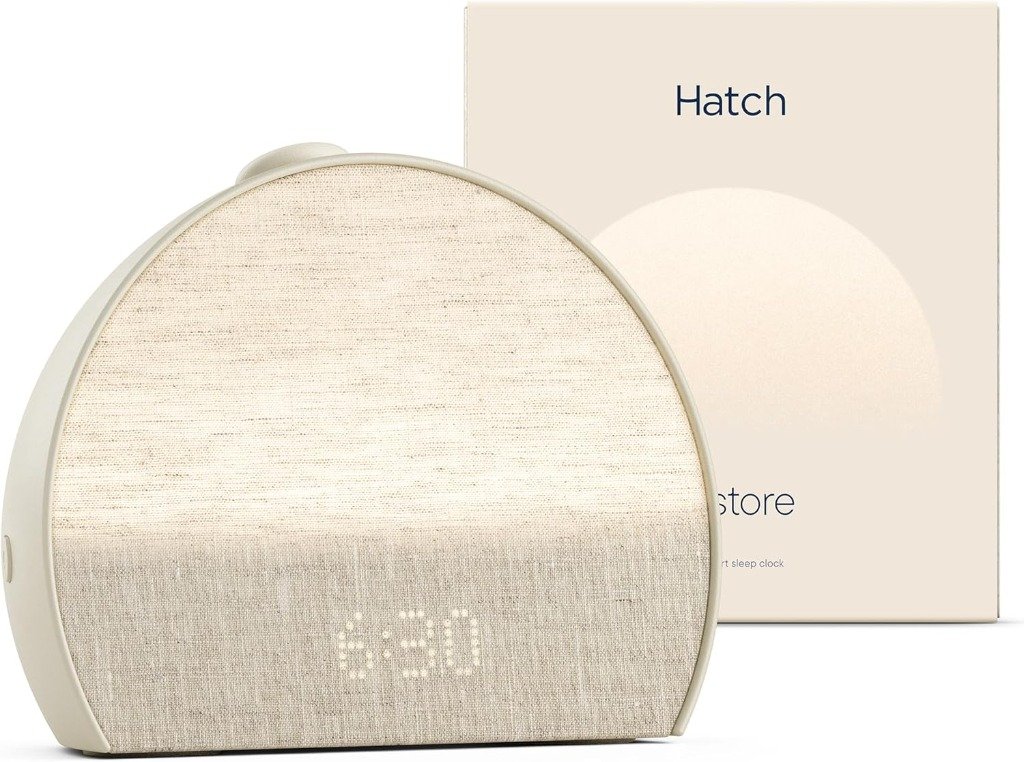
Hatch Restore 3 — Putty
Best for
People building a phone-free wind-down and wake routine who want light, sound and alarm scheduled as one thing.
What it does well
- Light and sound are scheduled together in one bedtime and wake routine, which is the whole point of the category
- A large physical button and clock-face controls mean the phone stays out of the bedroom after set-up
Trade-offs
- Set-up requires the app, Wi-Fi and — per Hatch's own support pages — starting a free Hatch+ trial you then have to cancel
- Hatch+ ($4.99 a month or $49.99 a year per Hatch) is where the larger sound library, stories and meditations live
-

Manta PRO Sleep Mask
Best for
Side sleepers, shift workers and anyone whose flat masks leak light at the nose — people who will trade some bulk for a seal they can adjust.
What it does well
- Eye cups reposition along the strap, so the seal follows your face instead of a fixed average
- Deep cups leave a hollow in front of the eyes — you can blink freely, which matters during REM
Trade-offs
- Noticeably bulkier than a flat silk mask; stomach sleepers who press into the pillow will feel it
- Priced at the top of the category — MZOO and Nidra deliver a similar blackout for less
-

Loop Dream Sleep Earplugs — Black
Best for
Side sleepers sharing a bed with a snorer, and anyone who has taken foam plugs out at 1 a.m. because they ached.
What it does well
- Slim body sits inside the ear rather than proud of it, so the pillow does not push it in
- 27 dB SNR (listing) takes soft sounds below audibility and turns a snorer into a murmur
Trade-offs
- Fit is the whole product and it is individual; a tip that seals for one ear leaks for another
- Costs far more up front than a box of foam plugs
After the sections on lighting, book choice, and a consistent stopping time; use one small card only.
Creating the Optimal Reading Environment
To harness the full soporific potential of reading, one must curate a specialized environment that actively supports relaxation and minimizes physiological arousal. The space in which you read is just as critical as the material you choose. Creating the optimal pre-sleep reading environment requires a meticulous approach to lighting, physical comfort, temperature, and sensory management. The primary objective is to construct a sanctuary that gently guides the nervous system from the hyper-vigilance of the day into a state of profound calm, preparing the body for the physiological shifts that accompany sleep onset.
The cornerstone of this environment is strategic lighting. The overarching rule is to utilize the minimum amount of illumination necessary to read the text comfortably without inducing strain. Overhead lighting should be strictly avoided in the hour before bed, as it mimics the sun being high in the sky and powerfully suppresses melatonin. Instead, rely on a dedicated bedside lamp equipped with a warm-toned bulb. Bulbs with a color temperature between 2000K and 2700K emit a soft, amber glow that is significantly less disruptive to circadian rhythms than the harsh, blue-white light of standard LEDs or fluorescent tubes. A directional reading light, which focuses the beam directly onto the pages of the book rather than illuminating the entire room, is highly recommended. This concentrated pool of warm light creates a cozy, enclosed atmosphere that naturally draws the focus inward and minimizes peripheral visual distractions.
Physical comfort and posture also play a vital role. Reading in bed should be a deliberate, supported posture, not a haphazard slump. Prop yourself up with comfortable, supportive pillows to maintain alignment in the neck and spine. Holding the book at an appropriate distance—typically 14 to 18 inches from the eyes—prevents unnecessary strain on the ciliary muscles and encourages a relaxed physical state. The temperature of the room should be kept cool, ideally between 60 and 67 degrees Fahrenheit (15 to 19 degrees Celsius), as a drop in core body temperature is a necessary trigger for sleep.
Finally, for those who are particularly sensitive to environmental stimuli or partner disturbances, integrating specialized sleep accessories can be transformative. Using a high-quality eye mask immediately after setting the book down can plunge you into complete darkness, maximizing melatonin production. For example, incorporating the [[PRODUCT:mzoo-luxury-3d-contoured-sleep-mask-black]] into your routine ensures zero light leakage and prevents pressure on the eyes, allowing the ocular fatigue generated by reading to transition into uninterrupted sleep. By meticulously controlling lighting, posture, temperature, and sensory input, you transform the simple act of reading into a highly optimized, sleep-inducing ritual.
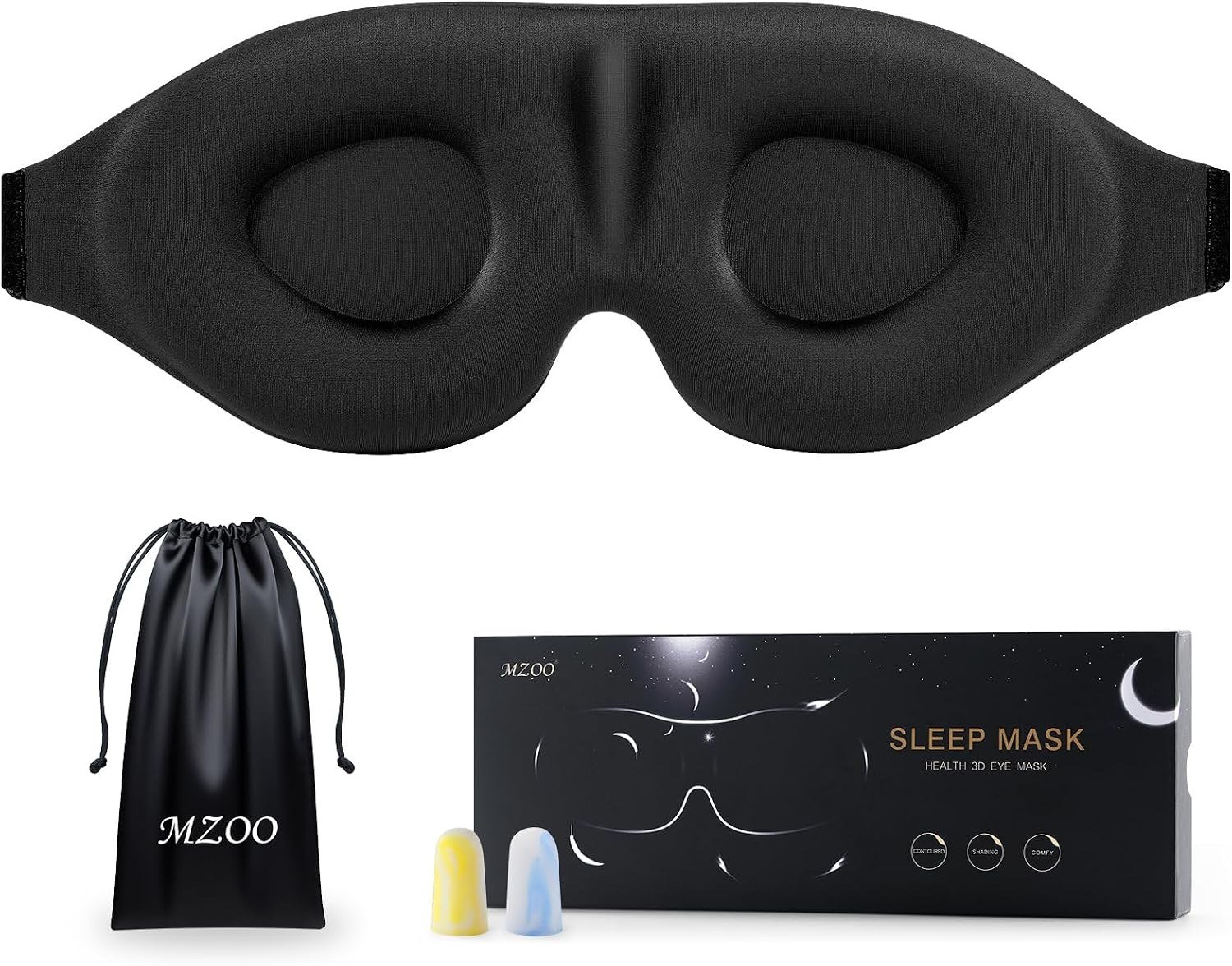
MZOO Luxury 3D Contoured Sleep Mask — Black
The MZOO is a fixed-cup contoured sleep mask: memory-foam cups keep fabric off the eyelids while the edge seals around the nose. It is the sensible first contoured mask for back and side sleepers who want darkness without a premium price. The cups do not move, so a face the shape did not anticipate may see a sliver of light at the nose — that is the Manta PRO's territory.
What Genres Act as Natural Sedatives?
While the act of reading itself is beneficial, the specific genre and content of the material selected are the final, crucial determinants of whether the practice will induce sleep or inadvertently prolong wakefulness. The objective of pre-sleep reading is to gently disengage the mind from reality, not to stimulate it with complex analysis, high-stakes tension, or visceral emotional responses. Therefore, certain literary genres function exceptionally well as natural sedatives, while others should be strictly relegated to daytime consumption. Understanding the psychological impact of different narratives is essential for curating an effective nighttime library.
The most consistently effective genres for promoting sleep are those that offer a strong sense of narrative predictability, comforting world-building, and low-stakes conflict. Light fiction, particularly cozy mysteries, gentle romances, and slice-of-life narratives, are excellent choices. These genres typically adhere to familiar structural tropes, providing a comforting rhythm that the brain can easily follow without expending significant cognitive effort. The conflicts are usually interpersonal and easily resolved, avoiding the adrenaline spikes associated with existential threats or graphic violence. Immersing oneself in a well-crafted, peaceful fictional world allows the brain to experience narrative transportation without the physiological arousal of suspense or fear.
Conversely, thrillers, horror novels, and fast-paced action stories are entirely counterproductive to sleep. These genres are deliberately engineered to trigger the body's sympathetic nervous system—the "fight or flight" response. Reading a tense, suspenseful chapter elevates the heart rate, increases blood pressure, and floods the system with cortisol and adrenaline, making sleep nearly impossible. Similarly, dense non-fiction, particularly materials related to your profession, finance, or current events, should be avoided. These subjects stimulate the analytical and problem-solving centers of the brain, often triggering the very anxieties and ruminations that keep us awake. If non-fiction is preferred, opt for expansive, low-stakes subjects such as history, nature writing, or biographies of historical figures—topics that are engaging but sufficiently removed from your immediate daily concerns.
Ultimately, the ideal sleep-inducing book is one that is interesting enough to hold your attention and pull you away from your own thoughts, but not so compelling that you feel compelled to "read just one more chapter" until 3 AM. It is a delicate balance between engagement and relaxation. Many readers find success with re-reading favorite books; the familiarity of the story eliminates all tension regarding the plot's outcome, providing a soothing, nostalgic experience that functions almost like a lullaby for the adult mind. By carefully selecting genres that soothe rather than stimulate, you transform the content of your reading into a powerful, pharmacological-free sedative.
Conclusion
the practice of reading before bed is far more than a mere cultural tradition; it is a highly effective, scientifically validated intervention for improving both the onset and quality of sleep. By actively engaging the mind in a structured narrative, reading facilitates a profound cognitive detachment, silencing the rumination and anxiety that are the primary culprits of modern insomnia. This psychological shift is accompanied by a measurable down-regulation of brain wave activity, moving us from alert beta states to the relaxed alpha and theta frequencies necessary for sleep initiation.
However, this benefit is strictly contingent upon the medium. The physiological superiority of traditional printed books over light-emitting e-readers cannot be overstated, as safeguarding our natural melatonin production from the disruptive effects of blue light is paramount. When combined with a meticulously curated environment—featuring warm, dim lighting, comfortable physical support, and the strategic use of blackout accessories—the natural ocular fatigue generated by reading becomes a powerful biological signal for the body to power down. By carefully selecting comforting, low-stakes genres that soothe rather than stimulate, we can predictably guide our minds toward rest. Ultimately, integrating a dedicated, screen-free reading practice into your nightly routine offers a natural, highly effective, and deeply enriching pathway to achieving the restorative sleep your body and mind desperately require.

Join the conversation
Questions and experiences are welcome. Every comment is read by a person before it appears, and your email address is never published.
No comments yet — yours would be the first.