Shift Work Sleep Disorder (SWSD) represents a profound disruption of human physiology, an agonizing conflict between our deeply ingrained evolutionary biology and the relentless demands of a 24-hour industrialized society. When you are awake when the sun is down and asleep when the sun is up, you are not merely inconveniently tired; you are systematically tearing at the fabric of your circadian rhythm—the masterful internal clock that regulates everything from hormone secretion and body temperature to cognitive function and cellular repair. For the millions of nurses, doctors, first responders, factory workers, and students who traverse the nocturnal landscape, SWSD is not an abstraction but a daily reality. The symptoms are pervasive: crushing insomnia when trying to sleep during the day, overwhelming and dangerous sleepiness during night shifts, chronic fatigue, cognitive impairment, and a significantly elevated risk for a host of metabolic, cardiovascular, and psychiatric conditions. But what if we could hack this ancient biological system? What if, instead of fighting a losing battle against millions of years of evolution, we could meticulously trick our brains into believing that our chaotic schedules are perfectly aligned with the natural rotation of the Earth? This guide is not about sleep hygiene platitudes; it is a practical guide to the circadian rhythm and to working with it on a schedule that keeps changing. We will look at how the rhythm works and how to steady it using a powerful paradigm: the "timezone illusion." By artificially manipulating environmental zeitgebers (time-givers) such as light, temperature, and melatonin, we can effectively fly our brains to Tokyo every morning in our bedrooms, resetting our internal clocks on command. This comprehensive treatise will empower you to seize control of your biology, transforming the grueling experience of shift work from a physiological nightmare into a manageable, scientifically optimized routine.
The "Timezone Illusion" Analogy for Shift Workers
To fundamentally understand how to conquer Shift Work Sleep Disorder, one must first grasp the concept of the "timezone illusion." Imagine, for a moment, the physiological experience of boarding a transatlantic flight from New York to Tokyo. When you land, it is morning in Japan, but your internal biological clock is screaming that it is the middle of the night in New York. The resulting phenomenon, jet lag, is simply a transient form of circadian misalignment. Eventually, through exposure to the new local time cues—primarily the rising and setting of the sun—your brain recalibrates. Shift workers, however, experience a chronic, unresolving form of jet lag. They are constantly jumping across time zones without ever leaving their hometown, fighting the prevailing environmental cues every single day. The "timezone illusion" is the strategic, engineered process of recreating the sensory environment of your desired destination timezone within the confines of your own home. If you finish a grueling 12-hour night shift in the ICU at 7:00 AM, the rising sun is biologically signaling your brain to awaken, suppressing melatonin and spiking cortisol. To sleep soundly at 8:00 AM, you must forcefully convince your suprachiasmatic nucleus (SCN)—the master pacemaker in your hypothalamus—that it is actually 10:00 PM. You are not just going to sleep; you are stepping into a portal that transports you to a nocturnal environment. This requires absolute ruthlessness. You cannot simply pull down a thin shade and hope for the best. You must construct an artificial night. This means eliminating all photons of light, manipulating ambient temperature to mimic the nocturnal drop, and utilizing exogenous signals to enforce the illusion. The timezone illusion is an active, aggressive manipulation of your neurobiology. It demands discipline, precision, and the right technological tools to override the overwhelming power of the sun. By treating your bedroom as an isolated environment, cut off from the local planetary rotation, you reclaim sovereignty over your sleep architecture. When you master the timezone illusion, you stop fighting your body and start steering it, artificially flying to your customized nocturnal sanctuary every single morning, ensuring that your brain receives the uncompromising signal that it is time to rest, recover, and rebuild, regardless of what the clock on the wall or the sun in the sky dictates.
The Circadian Cost of Working Against the Sun
The human body is an exquisitely orchestrated symphony of biological processes, all synchronized by the suprachiasmatic nucleus (SCN) in response to light. When we work against the sun, we impose a devastating toll on this delicate system, leading to the complex pathology known as Shift Work Sleep Disorder. The circadian rhythm does not merely dictate sleep and wakefulness; it governs the cyclical release of nearly every hormone in the human body. Cortisol, the hormone responsible for alertness and stress response, naturally peaks in the early morning to prepare us for the day and tapers off at night. Melatonin, the hormone of darkness, rises in the evening to facilitate sleep architecture. Insulin sensitivity, core body temperature, and even immune function oscillate predictably over a 24-hour period. When a shift worker stays awake under the harsh glare of fluorescent hospital lights at 3:00 AM, they are actively suppressing melatonin production at the exact moment their body desperately needs it. Conversely, when they attempt to sleep at 10:00 AM, the morning sunlight penetrating their retinas halts any remaining melatonin secretion and triggers a massive cortisol spike. This neuroendocrine chaos is the fundamental circadian cost of shift work. The short-term consequences are immediately recognizable: severe cognitive impairment, delayed reaction times (which can be fatal in medical or industrial settings), micro-sleeps, and pervasive mood disturbances. However, the long-term cost is far more insidious. Chronic circadian misalignment has been classified by the World Health Organization as a probable human carcinogen due to the disruption of cellular repair mechanisms normally active during deep, nocturnal sleep. Shift workers suffer from significantly elevated rates of cardiovascular disease, metabolic syndrome, type 2 diabetes, and obesity. The dysregulation of leptin and ghrelin—hormones that control appetite and satiety—often leads to uncontrollable cravings for high-calorie, carbohydrate-dense foods during night shifts, exacerbating metabolic dysfunction. Furthermore, the persistent neuroinflammation caused by chronic sleep deprivation accelerates cognitive decline and dramatically increases the risk of psychiatric disorders, particularly depression and anxiety. Understanding this profound physiological cost is not meant to induce despair; rather, it is the necessary catalyst for radical intervention. It underscores why haphazard sleep hygiene is insufficient. To mitigate this biological devastation, shift workers must approach their sleep with clinical precision, utilizing advanced strategies and the timezone illusion to artificially realign their neurobiology, thereby shielding their bodies from the severe long-term consequences of working in perpetual conflict with the sun.
Creating Absolute Blackout Environments at 10 AM
The most critical component of the timezone illusion is the total eradication of light. The human retina contains specialized photosensitive ganglion cells (ipRGCs) that detect light, particularly in the blue spectrum, and send direct signals to the SCN to inhibit melatonin production. Even a minuscule sliver of sunlight peeking through a window blind or the faint glow of an alarm clock at 10:00 AM is enough to trigger a biological wake-up call, shattering your sleep architecture and pulling you out of restorative deep sleep. Therefore, creating an absolute blackout environment is non-negotiable. Standard curtains or cheap blinds are entirely inadequate. You must engineer a space that is so pitch-black you cannot see your hand in front of your face after your eyes have adjusted. This requires a multi-layered defense system. First, install true blackout curtains, ensuring they overlap the window frame significantly to prevent light leakage around the edges. For the ultimate seal, consider applying blackout window film or using heavy-duty, light-blocking inserts directly against the glass. Tape over any LEDs on electronics in your bedroom—smoke detectors, televisions, air purifiers. However, even the most meticulously prepared room can fail to block 100% of ambient light. This is where personal blackout technology becomes the ultimate fail-safe. You need a device that seals the eyes completely, creating a micro-environment of absolute darkness. We strongly recommend utilizing the [[PRODUCT:manta-pro-sleep-mask]]. Unlike traditional flat masks that press against your eyelids, disrupting REM sleep and allowing light to leak in around the nose, this mask features deeply contoured, C-shaped eye cups. It provides a flawless, zero-pressure blackout seal, accommodating any facial structure. When you put this mask on at 10:00 AM, your brain immediately registers complete darkness, triggering the neurochemical cascade necessary for sleep onset, regardless of the blazing sun outside your window. The darkness must be absolute, uncompromising, and total. By combining rigorous room darkening techniques with precision-engineered personal wearable technology, you force your SCN into submission, artificially imposing the neurological state of midnight upon your brain and solidifying the timezone illusion necessary for profound, restorative daytime sleep.
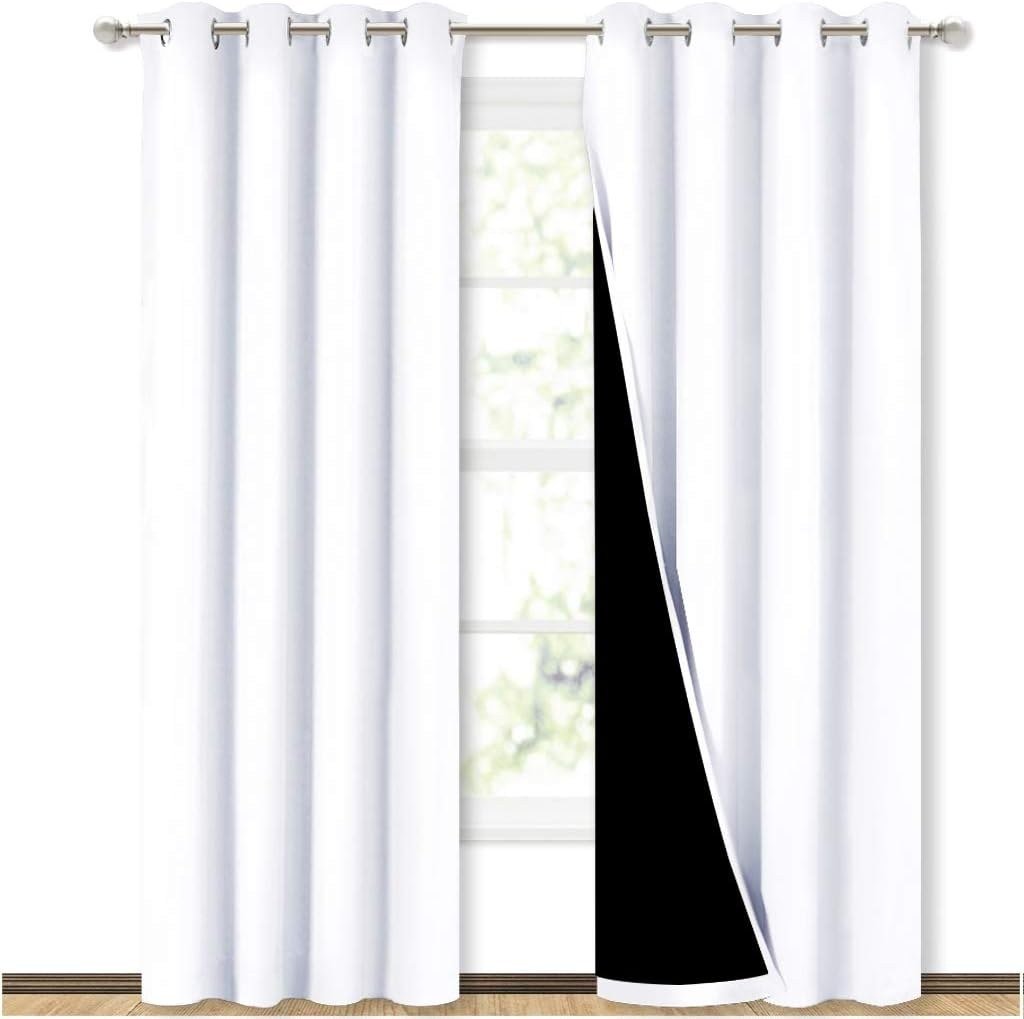
NICETOWN 100% Blackout Curtain Panels — 52 x 84 Inches, Set of 2
NICETOWN's 100% blackout panels are grommet-top curtains with a light-blocking back that darkens a bedroom rather than one pair of eyes. They suit early risers, shift workers and anyone who shares a bed with a mask-hater. The trade-off is installation: without a wraparound rod or side channels, light leaks at the edges and a mask may still be needed for total darkness.
Using Artificial Light to Wake Up in the Dark
Just as absolute darkness is essential for initiating daytime sleep, precise light manipulation is equally critical for awakening in the dark. For the shift worker waking up at 9:00 PM to prepare for a night shift, the biological cues are entirely backward. The sun has set, the environment is cooling, and the body naturally begins to secrete melatonin, preparing for rest. Forcing yourself awake in this environment is neurologically agonizing; it results in severe sleep inertia—that groggy, disoriented state that can linger for hours, severely impairing cognitive function and alertness during the critical early hours of your shift. To counteract this, we must reverse-engineer the dawn. The timezone illusion requires that you artificially simulate a sunrise in your bedroom when it is pitch black outside. This cannot be achieved by simply flipping on a harsh overhead fluorescent light, which is jarring and stresses the nervous system. Instead, you must gently and progressively stimulate the ipRGCs in your retina with specific wavelengths of light, gradually suppressing melatonin and increasing cortisol production, exactly as the rising sun does in nature. This is best accomplished using a specialized dawn simulator. For this precise biological intervention, the [[PRODUCT:philips-smartsleep-wake-up-light-hf3520]] is the gold standard. This device is not merely an alarm clock; it is a clinical-grade light therapy device. It mathematically simulates the transition of a natural sunrise, starting with soft, dim reds, transitioning to warm oranges, and finally peaking in bright, alerting yellow light over a 20 to 40-minute period before your desired wake time. This gradual increase in lux exposure penetrates your closed eyelids, signaling your SCN that morning has arrived in your artificial timezone. By the time the audible alarm sounds, your cortisol levels have naturally elevated, and melatonin has been suppressed, allowing you to wake up feeling refreshed, alert, and biologically prepared to tackle the night. Using artificial light to wake up in the dark is the necessary counter-balance to the absolute blackout environment. By mastering both ends of the light spectrum—simulating pitch-black night for sleep and a radiant sunrise for waking—you gain total authoritative control over your circadian rhythm, eliminating sleep inertia and optimizing your performance for the demanding nocturnal hours ahead.
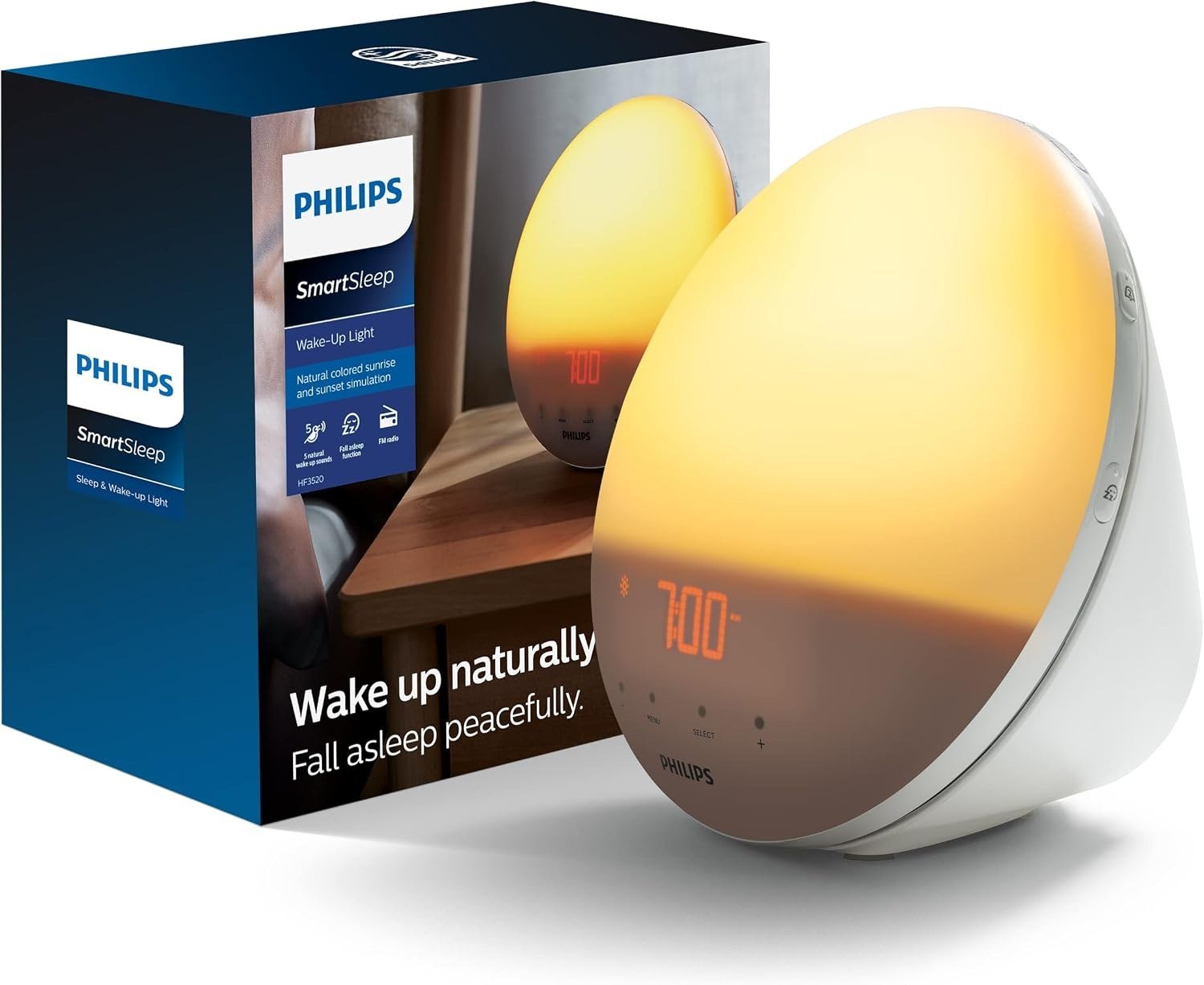
Philips SmartSleep Wake-Up Light HF3520/60
The Philips HF3520/60 is a dedicated wake-up lamp that brightens over 30 minutes through red, orange and yellow to a stated 300 lux, then plays one of five natural sounds or FM radio. It has a tap-to-snooze top, a sunset dimming mode and a reading-lamp function, and it needs no app. It suits people who want light as the wake cue and nothing to configure. It is an older design with a dated display and no white-noise library.
Supplement Timing and Melatonin Protocols
While manipulating light exposure is the primary driver of circadian alignment, exogenous supplementation, specifically melatonin, serves as a powerful pharmacological tool to enforce the timezone illusion. Melatonin is often misunderstood as a sedative; it is not a sleeping pill that forces you into unconsciousness. Rather, it is a chronobiotic—a signaling molecule that tells your brain it is time to sleep. When a shift worker attempts to sleep at 9:00 AM, their endogenous melatonin production is essentially zero. To successfully transition into the artificial night of their blackout environment, they must provide the missing chemical signal. However, the standard approach of taking massive, 10mg doses of melatonin immediately before bed is biologically flawed and often counterproductive. High doses can cause receptor downregulation, vivid nightmares, and severe grogginess upon waking. The scientifically optimized protocol for Shift Work Sleep Disorder involves micro-dosing and precise timing. The goal is to mimic the natural physiological curve of melatonin release. A dose of 0.5mg to 3mg, taken approximately 30 to 60 minutes before your planned daytime sleep, is generally the most effective strategy for signaling the SCN without causing hangover effects. The timing must be rigorously consistent, reinforcing the artificial schedule. Furthermore, the type of melatonin matters. For shift workers who struggle with sleep maintenance—waking up repeatedly after only a few hours of daytime sleep—a time-release or biphasic melatonin formulation can be highly beneficial. These formulations release a small immediate dose to initiate sleep, followed by a slow, sustained release to maintain the necessary blood levels throughout the daytime sleep period, mimicking the sustained endogenous release during a normal night. In addition to melatonin, other neuro-supportive supplements can aid the transition. Magnesium glycinate, taken alongside melatonin, can help calm the central nervous system and reduce muscle tension. L-theanine, an amino acid found in green tea, promotes alpha brain wave activity, facilitating a state of relaxed alertness that eases the transition into sleep. However, it is critical to understand that supplements are the final polish, not the foundation. They will be entirely ineffective if you have not first established absolute darkness and managed your light exposure. By combining precise melatonin micro-dosing with the rigorous light management of the timezone illusion, shift workers can effectively rewrite their neurochemistry, commanding their bodies to initiate and maintain deep, restorative sleep entirely independent of the natural solar cycle.
Conclusion
Shift Work Sleep Disorder is a formidable adversary, a chronic physiological stressor that demands a highly strategic, uncompromising approach. The days of relying on sheer willpower and weak cups of coffee are over. By applying the "timezone illusion" consistently, you can work with your biology rather than against it. You are no longer a victim of a chaotic schedule; you are the architect of your own circadian rhythm. Remember that success requires absolute precision in your environment. You must ruthlessly eradicate light at 10 AM, utilizing tools like the [[PRODUCT:manta-pro-sleep-mask]] to ensure an impenetrable blackout seal. Conversely, you must master the artificial dawn, employing technology like the [[PRODUCT:philips-smartsleep-wake-up-light-hf3520]] to pull yourself out of the darkness and banish sleep inertia. Combined with precise, chronobiotic supplementation protocols, these strategies form an unbreakable biological fortress. As nurses, doctors, first responders, and shift workers, your work is critical to the functioning of society. It is time to treat your sleep with the same level of clinical urgency and precision that you apply to your professions. Implement these advanced protocols, build your artificial timezone, and reclaim the deep, restorative sleep that your body so desperately requires to survive and thrive in a 24-hour world.
Join the conversation
Questions and experiences are welcome. Every comment is read by a person before it appears, and your email address is never published.
No comments yet — yours would be the first.