
The concept of napping is often polarizing. For some, a mid-day snooze is a non-negotiable ritual, a sacred period of rest that revitalizes the mind and restores energy levels for the remainder of the afternoon. For others, the very idea of napping conjures feelings of lethargy, grogginess, and a disrupted nocturnal sleep schedule. The truth about naps, however, lies not in broad generalizations, but in the nuanced intersection of chronobiology, sleep architecture, and individual circadian rhythms. Science reveals that naps are not inherently good or bad; rather, their efficacy depends almost entirely on their duration, timing, and the specific physiological state of the napper. As our modern world becomes increasingly fast-paced and sleep deprivation reaches epidemic proportions, understanding the physiological mechanisms behind napping is more crucial than ever. By dissecting the various stages of sleep and how they interact with our body's natural homeostatic sleep drive, we can gain the profound benefits of a perfectly timed nap while avoiding the debilitating effects of sleep inertia. This comprehensive exploration will look at the complex biology of daytime sleeping. We will examine the critical differences between a brief twenty-minute power nap and a full ninety-minute REM cycle, uncover the severe consequences of waking up during stage three deep sleep, and analyze the delicate balance of adenosine buildup that dictates our nocturnal sleep quality. Furthermore, we will explore practical strategies for optimizing your nap environment, including the necessity of absolute darkness, and investigate the scientifically backed phenomenon known as the "nappuccino." Ultimately, mastering the art and science of napping can transform it from a guilty pleasure into a highly effective tool for cognitive enhancement, emotional regulation, and overall physiological well-being.
The 20-Minute Power Nap vs. The 90-Minute REM Cycle
When it comes to napping, duration is arguably the most critical factor in determining whether you wake up feeling refreshed or profoundly fatigued. To understand why, one must look at the structure of a typical sleep cycle. Human sleep is composed of multiple stages, primarily categorized into Non-Rapid Eye Movement (NREM) and Rapid Eye Movement (REM) sleep. NREM sleep is further subdivided into three stages: N1 (light sleep), N2 (intermediate sleep), and N3 (deep, slow-wave sleep). A complete sleep cycle, progressing through all NREM stages and culminating in REM sleep, typically takes about ninety minutes.
The twenty-minute power nap is specifically designed to keep the sleeper in the lighter stages of NREM sleep, primarily N1 and N2. During these initial twenty minutes, the brain begins to slow down, and muscle tension decreases, providing a brief but effective respite for the central nervous system. Because the sleeper does not enter the deeper, slow-wave stages of sleep (N3), waking up from a twenty-minute nap is generally quick and relatively effortless. The primary benefit of this short duration is a significant boost in alertness, concentration, and motor performance without the accompanying grogginess known as sleep inertia. Studies have consistently shown that twenty-minute naps are ideal for professionals, students, and athletes who need a rapid cognitive reset to maintain high performance levels throughout the day.
Conversely, the ninety-minute nap serves a fundamentally different purpose. By allowing the body to complete a full sleep cycle, including N3 deep sleep and REM sleep, a ninety-minute nap provides comprehensive physiological and psychological restoration. Deep sleep is essential for physical recovery, tissue repair, and immune function, while REM sleep plays a crucial role in memory consolidation, emotional processing, and creative problem-solving. Waking up at the end of a ninety-minute cycle is often easier than waking up in the middle of it, as the body naturally transitions back to a lighter stage of sleep before waking. However, a ninety-minute nap requires a significant time commitment and can potentially interfere with nocturnal sleep if taken too late in the afternoon. Choosing between a twenty-minute power nap and a ninety-minute REM cycle depends entirely on the specific needs of the individual: a quick cognitive boost requires the former, while deep physical and mental recovery necessitates the latter. Understanding these fundamental differences is the first step in harnessing the true power of daytime sleep.
The Consequences of Waking Up in Stage 3 Deep Sleep
One of the most profound risks associated with daytime napping is the phenomenon of sleep inertia, a state of intense grogginess, confusion, and cognitive impairment that occurs when one awakens from Stage 3 deep sleep. Also known as slow-wave sleep (SWS), Stage 3 is the deepest and most restorative phase of the Non-Rapid Eye Movement (NREM) cycle. During this stage, brain waves slow down significantly, shifting from the relatively fast alpha and beta waves of wakefulness to the large, slow delta waves characteristic of deep unconsciousness. Blood pressure drops, breathing becomes deep and rhythmic, and the body's muscles become completely relaxed. The primary function of Stage 3 sleep is physical restoration: it is during this time that the body repairs tissues, synthesizes proteins, and releases essential growth hormones.
While Stage 3 sleep is absolutely vital for overall health and well-being, waking up directly from this profound state of rest is highly disruptive to the central nervous system. When an alarm abruptly pulls an individual out of slow-wave sleep, the brain struggles to transition rapidly from low-frequency delta waves to the high-frequency waves required for conscious awareness and cognitive function. This disjointed awakening results in sleep inertia, which can last anywhere from thirty minutes to several hours, effectively negating any potential benefits of the nap. During a period of sleep inertia, individuals often experience diminished reaction times, poor decision-making capabilities, a pervasive sense of lethargy, and a significantly worsened mood.
The likelihood of entering Stage 3 sleep increases significantly if a nap extends beyond twenty to thirty minutes. For this reason, naps lasting between thirty and sixty minutes are often considered the most dangerous in terms of sleep inertia. The brain has begun to look at deep sleep, but the complete ninety-minute cycle has not yet finished. Consequently, the individual is forced to awaken during the most biologically challenging point in the sleep architecture. To avoid the debilitating consequences of sleep inertia, experts strongly recommend either strictly limiting naps to a maximum of twenty minutes to ensure the sleeper remains in light N1 and N2 sleep, or committing to a full ninety-minute cycle to allow the body to naturally transition out of Stage 3 and complete the REM phase before waking.
How Naps Affect Nocturnal Adenosine Buildup
To fully grasp the intricate relationship between daytime napping and nocturnal sleep quality, one must understand the biological mechanism of sleep drive, primarily regulated by a neuromodulator called adenosine. Adenosine is a natural byproduct of cellular metabolism; as your brain and body consume energy throughout the day, adenosine levels steadily accumulate in the basal forebrain. This continuous accumulation creates what chronobiologists refer to as "sleep pressure" or the homeostatic sleep drive. The longer you remain awake, the higher your adenosine levels rise, and the more intense your biological urge to sleep becomes. When you finally go to sleep at night, the brain clears out this accumulated adenosine, resetting the system for the following day.
Napping plays a complex role in this delicate chemical balance. When you take a nap, your brain takes the opportunity to clear out a portion of the adenosine that has built up since you first woke up in the morning. For someone experiencing overwhelming midday fatigue, this partial clearance is precisely what provides the revitalizing cognitive boost associated with a successful nap. By reducing the overall adenosine load, a nap temporarily alleviates sleep pressure, allowing for increased alertness and improved focus for the remainder of the day.
However, this mechanism is a double-edged sword. If a nap is too long, or taken too late in the afternoon, it can clear out too much adenosine, severely undermining the sleep pressure needed to fall asleep at night. When bedtime arrives, the individual may find themselves tossing and turning, unable to initiate sleep because their homeostatic sleep drive has been prematurely satisfied by the afternoon nap. This disruption can lead to fragmented nocturnal sleep, reduced overall sleep duration, and a vicious cycle of subsequent daytime fatigue. To prevent naps from interfering with nighttime adenosine buildup, sleep specialists recommend timing naps correctly within the circadian rhythm. The optimal window for a nap is generally between 1:00 PM and 3:00 PM, a period that coincides with a natural post-prandial dip in core body temperature and alertness. Napping during this window provides a necessary reset without completely depleting the adenosine stores required for a restful night's sleep. Understanding and managing your adenosine accumulation is the key to ensuring that your daytime rest enhances, rather than sabotages, your nocturnal recovery.
Compact nap-kit card
Create a darker, quieter short-nap setup without disrupting nighttime sleep.
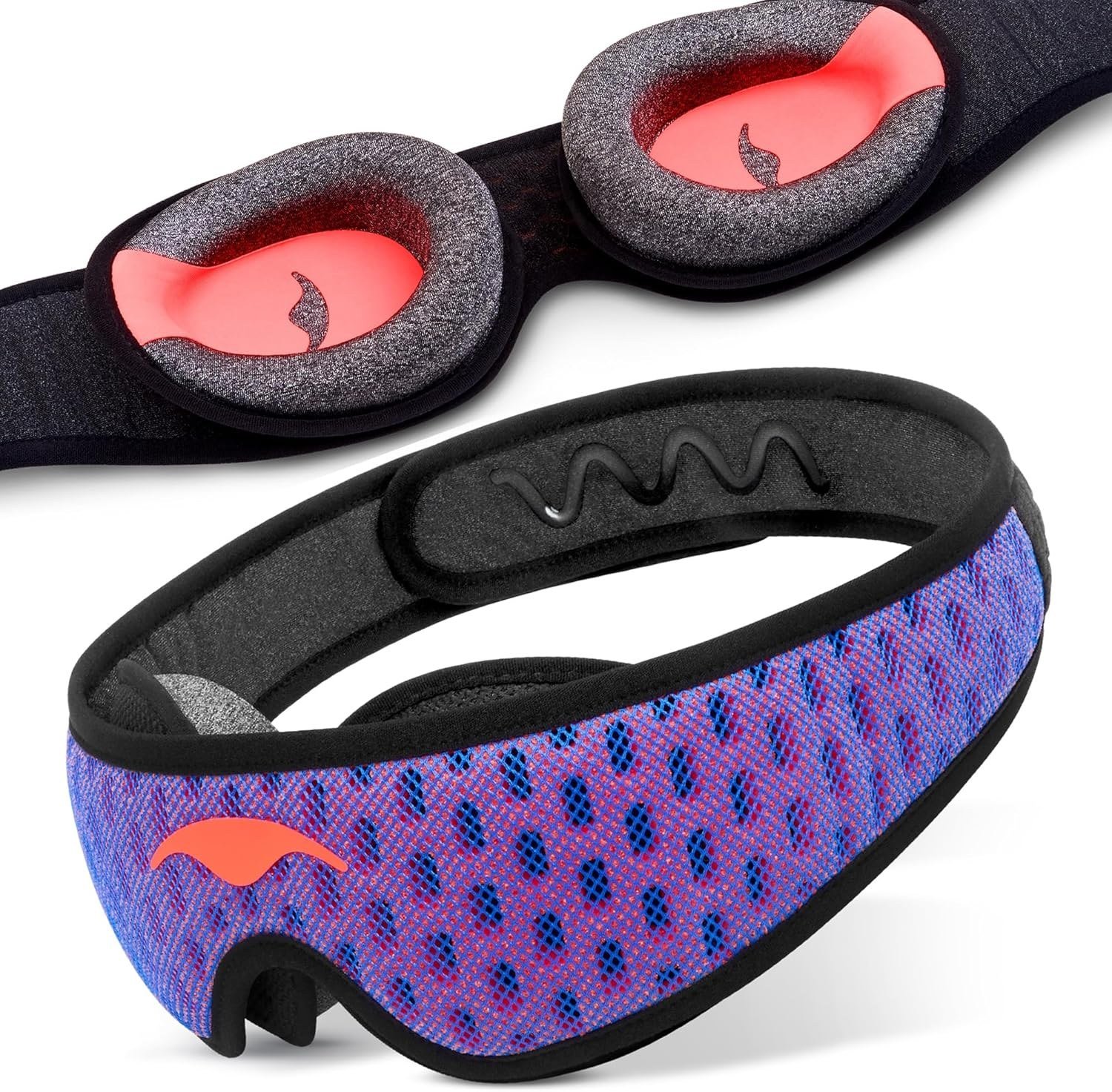
Manta PRO Sleep Mask
The Manta PRO is a contoured blackout mask whose C-shaped eye cups slide along the strap to match your eye spacing, so the seal lands on cheekbone and nose bridge with nothing touching the eyelids. It suits side sleepers, shift workers and long-haul travellers who have given up on flat masks. Its trade-off is bulk and a premium position; the MZOO does most of the same job for less.
After the section on short naps and timing; use one compact card only.
Creating Absolute Darkness for Mid-Day Napping
The human circadian rhythm—the internal biological clock that regulates our sleep-wake cycle—is profoundly influenced by environmental light. The presence of light, particularly blue light emitted by the sun and electronic screens, sends a powerful signal to the suprachiasmatic nucleus in the brain, inhibiting the production of melatonin, the hormone responsible for initiating and maintaining sleep. Conversely, darkness stimulates melatonin secretion, signaling to the body that it is time to rest. Consequently, one of the greatest challenges of mid-day napping is overcoming the biological need to stay awake in a brightly lit environment. To maximize the restorative potential of a daytime nap, it is absolutely essential to simulate the conditions of nighttime sleep, which primarily involves creating a state of absolute darkness.
When the eyes are exposed to light during a nap, even through closed eyelids, the quality of sleep is significantly compromised. Light intrusion prevents the brain from fully transitioning into the deeper, restorative stages of sleep, keeping the sleeper in a state of light, fragmented rest. This can lead to a less refreshing nap and increase the likelihood of waking up feeling groggy and unfulfilled. Therefore, environmental modification is crucial. Using blackout curtains or heavy blinds can significantly reduce the amount of natural sunlight entering the room, but achieving total darkness during the day is often difficult, especially in office environments or brightly lit homes.
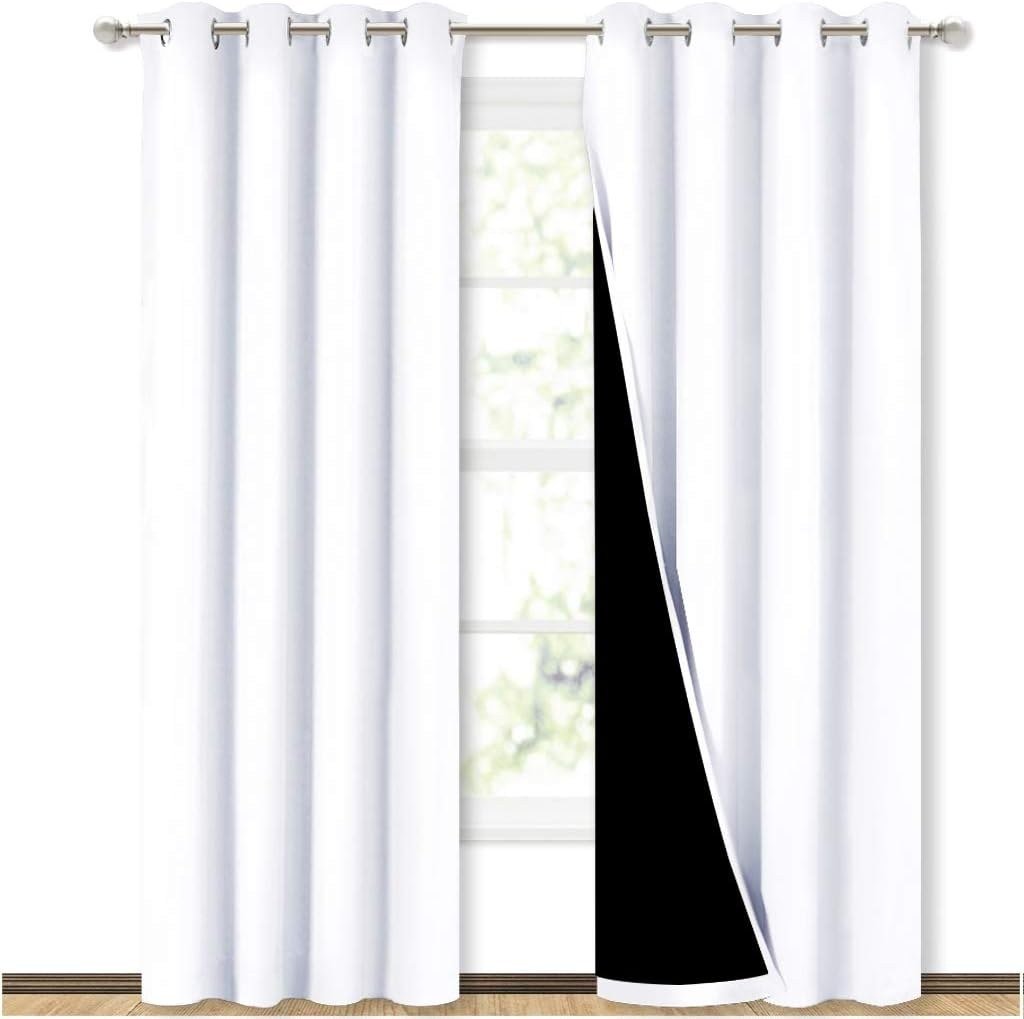
NICETOWN 100% Blackout Curtain Panels — 52 x 84 Inches, Set of 2
NICETOWN's 100% blackout panels are grommet-top curtains with a light-blocking back that darkens a bedroom rather than one pair of eyes. They suit early risers, shift workers and anyone who shares a bed with a mask-hater. The trade-off is installation: without a wraparound rod or side channels, light leaks at the edges and a mask may still be needed for total darkness.
This is where specialized sleep accessories become indispensable. A high-quality sleep mask can artificially create a completely dark environment, regardless of the external lighting conditions. By blocking all visual stimuli, a sleep mask tricks the brain into initiating its natural sleep protocols, promoting faster sleep onset and deeper, more continuous rest. For those serious about optimizing their mid-day recovery, investing in a premium mask is highly recommended. The [[PRODUCT:nidra-contoured-deep-rest-sleep-mask]] is an excellent example of an effective tool for this purpose; its contoured design ensures that absolutely no light leaks in around the edges, while also preventing uncomfortable pressure on the eyelids, allowing for rapid eye movement without restriction. By prioritizing darkness and utilizing appropriate tools to eliminate light exposure, you can drastically improve the efficiency of your daytime naps, ensuring that even a brief twenty-minute rest provides profound cognitive and physical rejuvenation.
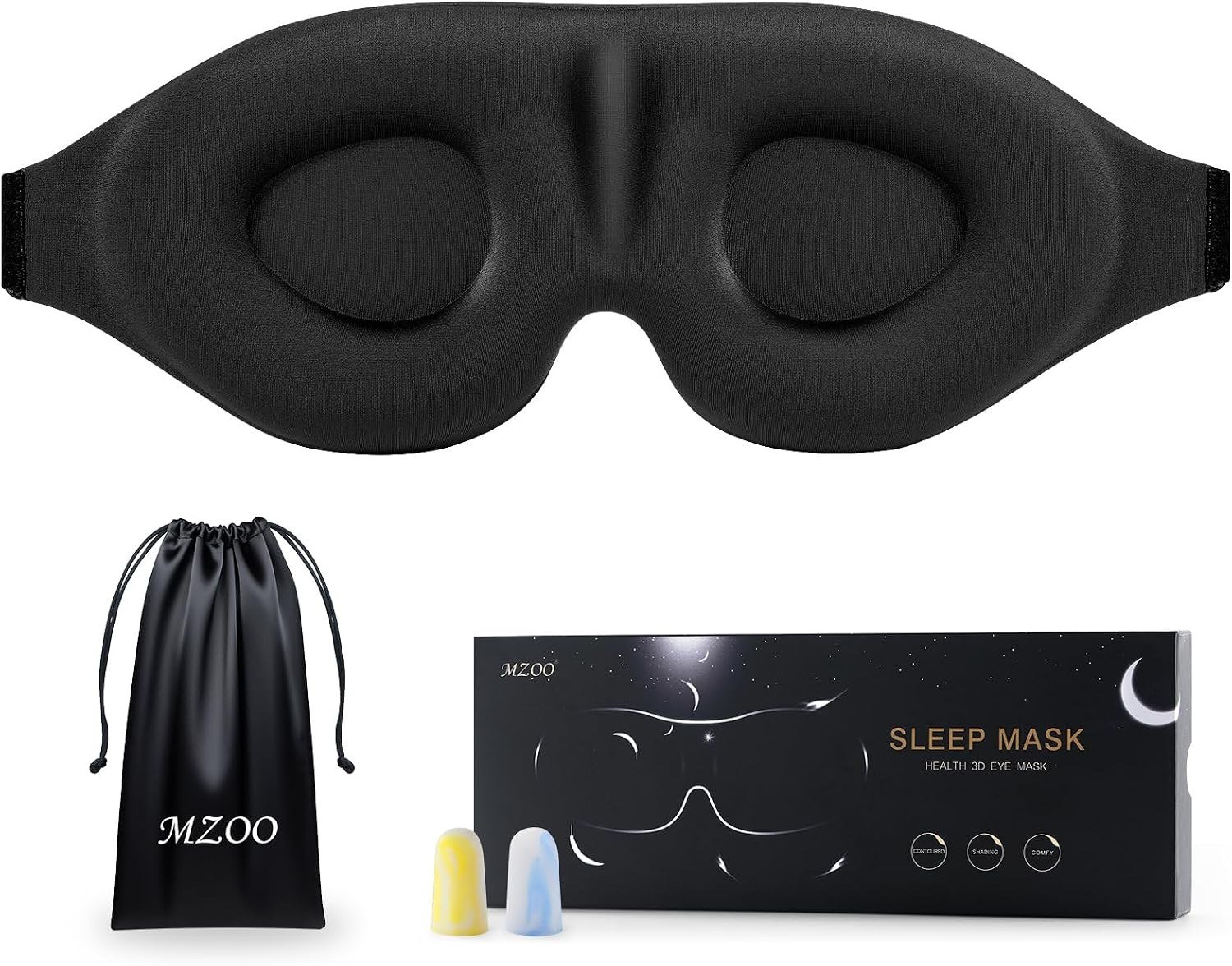
MZOO Luxury 3D Contoured Sleep Mask — Black
The MZOO is a fixed-cup contoured sleep mask: memory-foam cups keep fabric off the eyelids while the edge seals around the nose. It is the sensible first contoured mask for back and side sleepers who want darkness without a premium price. The cups do not move, so a face the shape did not anticipate may see a sliver of light at the nose — that is the Manta PRO's territory.
The Nappuccino: Combining Caffeine and Naps
One of the most fascinating and counterintuitive strategies for maximizing daytime alertness is the concept of the "nappuccino," a scientifically validated technique that combines the acute stimulating effects of caffeine with the restorative benefits of a brief power nap. At first glance, consuming a stimulant immediately before attempting to sleep seems contradictory. However, the efficacy of the nappuccino lies in understanding the precise pharmacokinetics of caffeine and how it interacts with the brain's adenosine receptors.
As discussed previously, the accumulation of adenosine in the brain is responsible for creating sleep pressure. Caffeine operates as an adenosine receptor antagonist; it does not eliminate adenosine, but rather binds to the same receptors, effectively blocking the adenosine from signaling fatigue to the brain. When you drink a cup of coffee, the caffeine typically takes about twenty to twenty-five minutes to be fully absorbed through the gastrointestinal tract, enter the bloodstream, and cross the blood-brain barrier to begin blocking the adenosine receptors.
The nappuccino capitalizes on this biological delay. The protocol is simple: rapidly consume a caffeinated beverage, such as a cup of coffee or an espresso, and immediately lie down for a strict twenty-minute nap. During this twenty-minute period, as you enter the light stages of N1 and N2 sleep, your brain naturally clears out a significant portion of the accumulated adenosine. Just as you are waking up from the nap—before you can enter the deep, slow-wave sleep that causes sleep inertia—the caffeine reaches its peak concentration in the brain.
The result is a powerful synergistic effect. The nap has actively reduced the overall level of adenosine in the brain, freeing up the receptors. Simultaneously, the caffeine arrives to block whatever adenosine remains. This two-pronged approach provides a significantly greater boost in alertness, cognitive performance, and sustained energy than either a nap or caffeine could achieve independently. Studies evaluating the nappuccino technique have consistently demonstrated superior results in simulated driving tests and complex cognitive tasks compared to subjects who only napped or only consumed caffeine. For individuals needing a rapid, highly effective intervention to combat severe afternoon fatigue, the nappuccino represents the pinnacle of strategic daytime recovery.
Conclusion
the surprising truth about naps is that they are highly sophisticated biological tools that must be utilized with precision and understanding. The effectiveness of a mid-day snooze is not determined by simply closing one's eyes, but rather by carefully managing duration, timing, and environmental factors. By strictly adhering to either the twenty-minute power nap or the comprehensive ninety-minute REM cycle, individuals can circumvent the debilitating effects of sleep inertia associated with waking from Stage 3 deep sleep. Furthermore, recognizing the delicate interplay between daytime resting and nocturnal adenosine accumulation ensures that a nap enhances, rather than disrupts, your overall sleep architecture. Optimizing the napping environment through absolute darkness is critical for facilitating genuine rest, and innovative techniques like the nappuccino offer scientifically proven methods for maximizing alertness and cognitive function. Ultimately, napping should not be viewed as a sign of laziness or a luxury for the indolent, but as a strategic physiological intervention. By mastering the science of daytime sleep, we can harness its profound restorative power, improving our productivity, emotional resilience, and long-term health in an increasingly demanding world.
Join the conversation
Questions and experiences are welcome. Every comment is read by a person before it appears, and your email address is never published.
No comments yet — yours would be the first.