
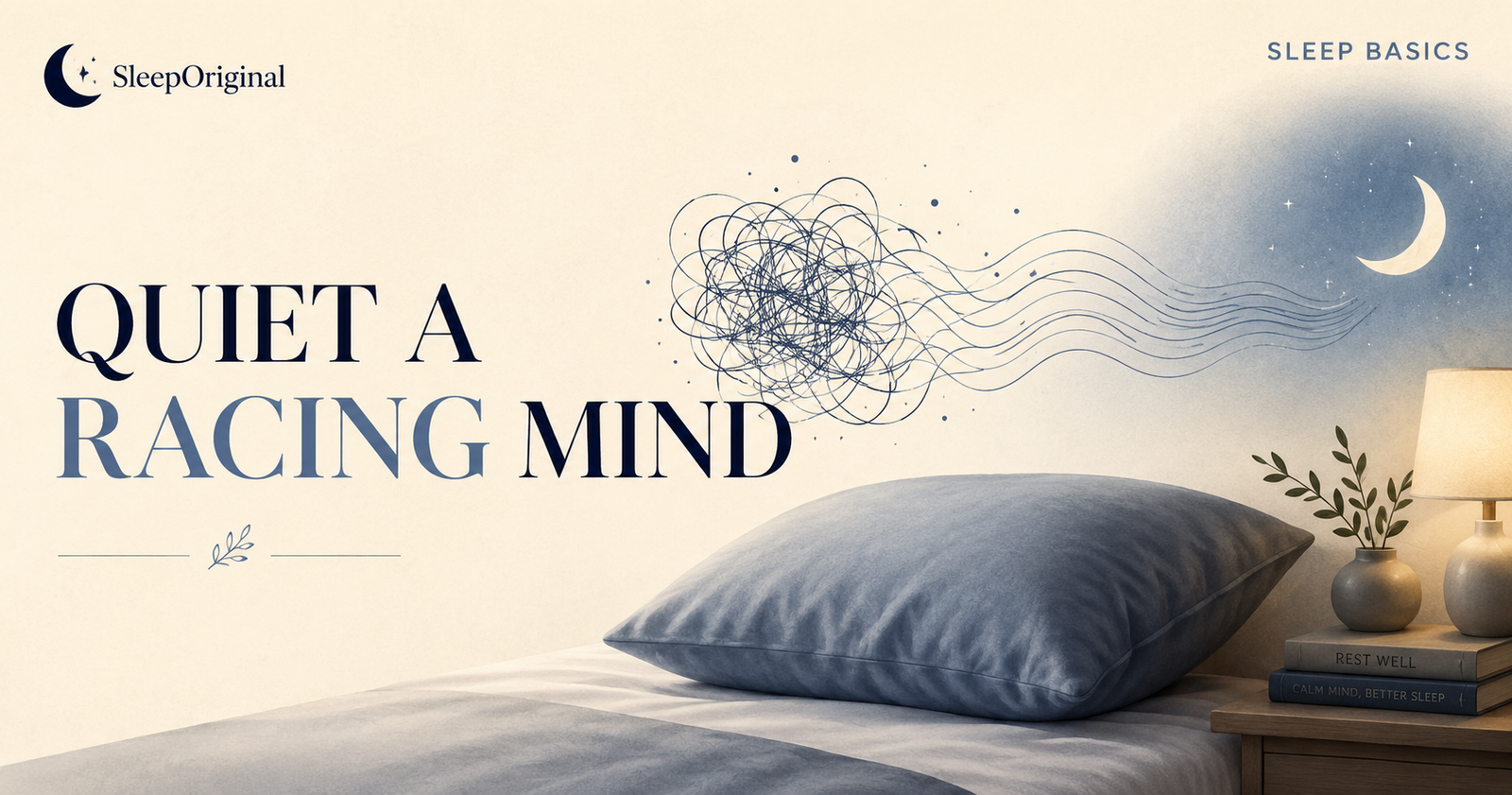
The experience of lying awake in the middle of the night, staring at the ceiling while your mind loops through an endless cycle of anxieties, to-do lists, and past regrets, is an all-too-common phenomenon. Racing thoughts at night can transform the bedroom from a sanctuary of rest into a battleground of psychological distress. As the hours tick by, the mounting frustration over the inability to sleep often amplifies the very thoughts keeping you awake, creating a vicious, self-perpetuating cycle of insomnia and anxiety. This nocturnal cognitive hyperactivity is not simply a matter of having "too much on your mind"; it is deeply rooted in the physiological state of your nervous system and how your brain processes emotional and cognitive load in the absence of daytime distractions.
When daytime stimuli fade, the brain's default mode network often becomes more active, drawing attention to unresolved stressors and amplifying emotional salience. Consequently, the challenge of silencing the mind requires more than just a passing effort to "think happy thoughts" or forcefully demand that sleep arrive. It necessitates a comprehensive, scientifically-backed approach aimed at regulating the autonomic nervous system, recalibrating cognitive patterns, and establishing environmental and behavioral boundaries that signal safety and relaxation to the brain.
In this extensive guide, we will explore the neurobiological underpinnings of why racing thoughts occur predominantly at night, diving deep into the mechanisms of hyperarousal and nocturnal anxiety. More importantly, we will dissect actionable, evidence-based strategies to mitigate this relentless mental chatter. From somatic interventions that stimulate the vagus nerve and the innovative use of wearable technology designed to downregulate the nervous system, to cognitive behavioral techniques like paradoxical intention and scheduled worry windows, this article provides a robust framework for reclaiming your nights. By understanding the intersection of psychology and physiology, you can implement targeted interventions that effectively stop racing thoughts and restore the deep, restorative sleep your body and mind desperately need.
Understanding Hyperarousal and Nocturnal Anxiety
To effectively combat racing thoughts at night, it is essential to first understand the physiological and psychological state known as hyperarousal. Hyperarousal is a condition characterized by a chronically elevated state of alertness, even in situations where relaxation and sleep are the intended goals. This state is frequently driven by an overactive sympathetic nervous system—the branch of the autonomic nervous system responsible for the "fight or flight" response. When the sympathetic nervous system dominates, it triggers a cascade of neurochemical changes, including the release of stress hormones like cortisol and adrenaline. These hormones increase heart rate, elevate blood pressure, and heighten sensory vigilance, effectively signaling to the brain that danger is present and sleep is unsafe.
Nocturnal anxiety is intrinsically linked to this hyperaroused state. During the day, the constant barrage of sensory input, social interactions, and professional obligations demands cognitive resources, effectively masking underlying anxieties. However, as night falls and these external distractions are stripped away, the mind is left in a sensory void. In this quietness, unresolved psychological stressors, existential worries, and mundane concerns rush in to fill the cognitive space. The brain's amygdala, the emotional processing center, often interprets this influx of worrying thoughts as a legitimate threat, further activating the sympathetic nervous system and reinforcing the cycle of hyperarousal.
Furthermore, the relationship between racing thoughts and sleep onset is bidirectional. The anxiety surrounding the inability to sleep—often termed sleep anxiety or psychophysiological insomnia—becomes a primary driver of the racing thoughts themselves. As you watch the clock, the pressure to fall asleep intensifies, paradoxically increasing cortical arousal. The prefrontal cortex, which is responsible for executive function and rational thought, becomes hyperactive as it attempts to problem-solve the insomnia, resulting in the rapid, uncontrollable succession of thoughts.
Understanding this neurobiological mechanism is crucial because it highlights the futility of trying to merely "think your way out" of racing thoughts. Cognitive efforts to suppress worries often backfire, leading to a rebound effect where the suppressed thoughts return with greater intensity. Instead, addressing nocturnal anxiety and hyperarousal requires interventions that target the nervous system directly, shifting the autonomic balance from sympathetic dominance to parasympathetic activation—the "rest and digest" state. This foundational shift is the necessary precursor for the brain to transition from the beta and alpha brainwave states associated with wakefulness and alertness into the theta and delta states that characterize deep sleep.
Somatic Interventions and Vagal Toning
Given that racing thoughts at night are fundamentally rooted in an overactive sympathetic nervous system, somatic interventions—practices that focus on the body to influence the mind—are among the most effective strategies for breaking the cycle of hyperarousal. These interventions primarily aim to stimulate the vagus nerve, the primary component of the parasympathetic nervous system. The vagus nerve acts as a bidirectional communication highway between the brain and major organs, including the heart, lungs, and digestive tract. By engaging in somatic practices that increase vagal tone, you can send potent signals of safety from the body back to the brain, effectively downregulating the stress response and quieting the mind.
One of the most accessible and powerful somatic interventions is slow, diaphragmatic breathing. When you consciously slow your respiratory rate, particularly by extending the exhalation phase relative to the inhalation phase, you directly stimulate the vagus nerve. Techniques such as the 4-7-8 breathing method (inhaling for 4 seconds, holding for 7, and exhaling for 8) or resonance frequency breathing (breathing at a rate of roughly 4.5 to 6 breaths per minute) have been shown to significantly reduce heart rate and lower blood pressure, initiating a systemic relaxation response that counters the physiological arousal driving racing thoughts.
Progressive Muscle Relaxation (PMR) is another highly effective somatic technique for mitigating nocturnal cognitive hyperactivity. Often, the physical tension held in the body goes unnoticed, yet it continuously feeds sensory data to the brain that sustains a state of alertness. PMR involves systematically tensing and then consciously releasing distinct muscle groups, starting from the toes and working up to the facial muscles. This practice not only relieves physical tension but also shifts cognitive focus away from intrusive thoughts and onto the physical sensations of the body, breaking the mental loop of anxiety.
In addition to breathing and muscle relaxation, tactile and temperature-based interventions can profoundly influence vagal tone. For instance, applying a cool compress to the forehead or splashing cold water on the face can trigger the mammalian dive reflex, an ancient physiological response that rapidly slows the heart rate and activates the parasympathetic nervous system. Similarly, the use of weighted blankets utilizes deep pressure stimulation (DPS) to simulate the sensation of being held or hugged. This deep pressure has been shown to increase the production of serotonin and dopamine—neurotransmitters associated with mood regulation and relaxation—while simultaneously decreasing cortisol levels. By incorporating these somatic interventions into a structured pre-sleep routine, you create a physiological environment that is deeply inhospitable to racing thoughts, paving the way for a more tranquil transition into sleep.
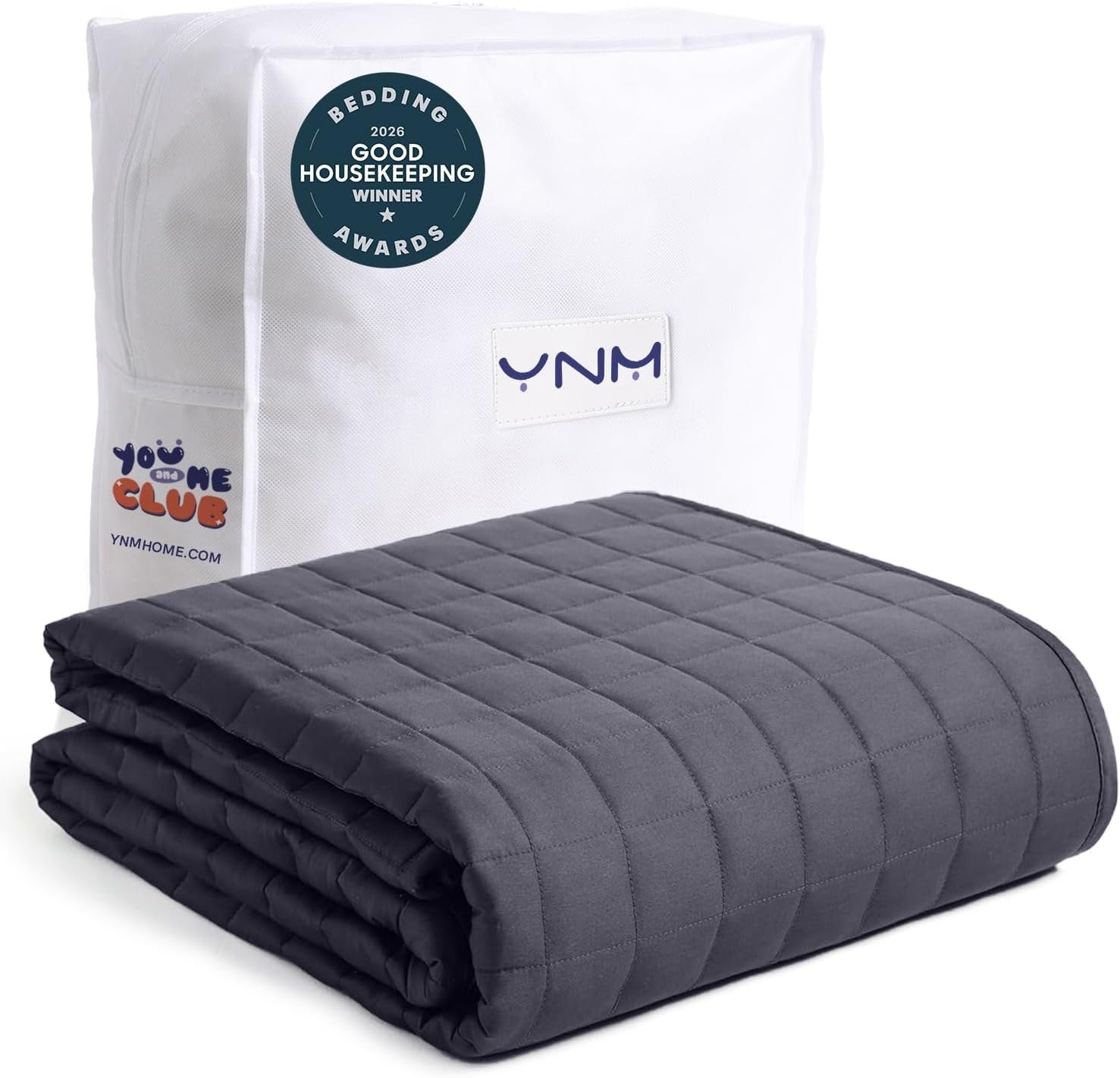
YnM Weighted Blanket — 15 lb, 48 x 72 Inches, Dark Grey
The YnM is a conventional weighted blanket: a cotton shell quilted into small pockets of glass beads, 15 lb at 48 × 72 in, with loops for a duvet cover. It suits people curious about weighted blankets who want to test the idea without spending Bearaby money. Beads make it warm and dense, it is a one-person size, a cover is a near-essential extra, and the evidence for weighted blankets is limited.
The Role of Wearables in Modulating the Nervous System
As our understanding of the autonomic nervous system has advanced, so too has the technology designed to interact with it. The role of wearables in modulating the nervous system and combating racing thoughts at night represents a significant leap forward in non-pharmacological sleep interventions. Unlike traditional sleep trackers that merely monitor and report on sleep architecture, a new generation of active wearables is designed to physically intervene, delivering targeted stimuli intended to shift the body out of a state of hyperarousal and into a state conducive to rest.
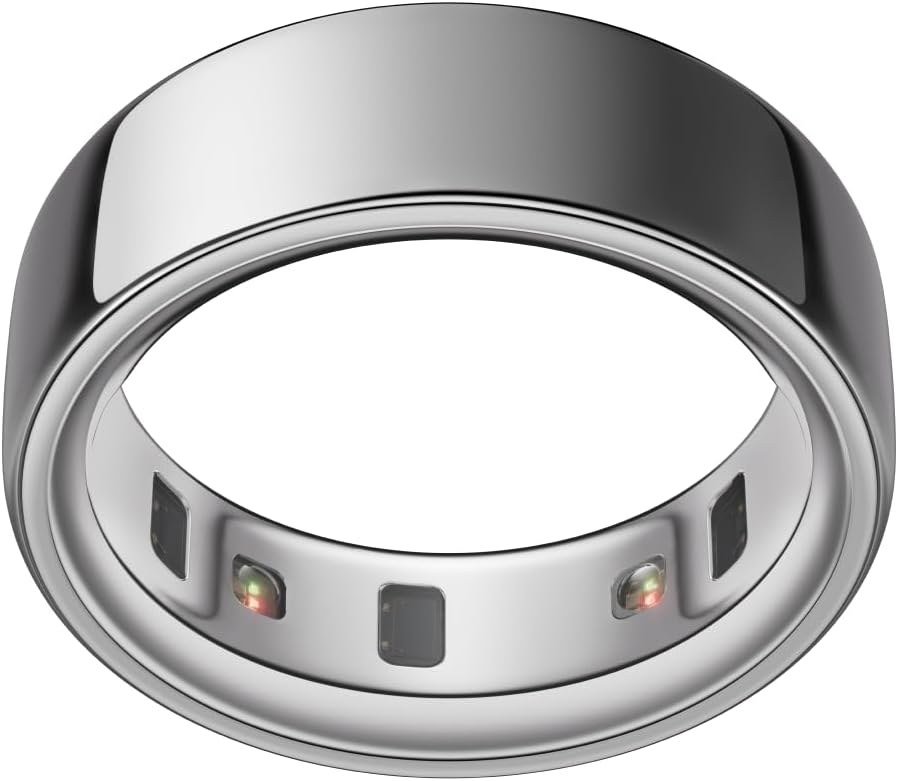
Oura Ring 4
The Oura Ring 4 is a titanium smart ring with red, infrared and green optical sensors, a temperature sensor and an accelerometer, running five to eight days per charge. It suits people who want sleep, readiness and temperature trends without wearing a screen to bed. The catch is a membership — roughly six dollars a month, per Oura — without which the app is limited, and the Amazon link resolves to one specific size and colour.
These active wearables primarily operate on the principles of neurosensory stimulation, specifically utilizing haptic feedback—gentle vibrations—to communicate with the nervous system. The skin, being the largest organ of the body, is rich in mechanoreceptors that send constant feedback to the brain. By delivering specific, scientifically calibrated vibrational frequencies to the skin, these devices can mimic the physiological patterns associated with relaxation, deep breathing, and safety. This form of passive somatic intervention is particularly beneficial for individuals whose racing thoughts are so severe that they struggle to initiate active relaxation techniques, such as meditation or deep breathing, on their own.
A prime example of this innovative technology is the [[PRODUCT:apollo-neuro-wearable-with-12-month-smartvibes-ai-membership]]. Developed by neuroscientists, this device is worn on the wrist or ankle and uses soothing, low-frequency vibrations, termed "touch therapy," to balance the nervous system. The wearable is designed to improve heart rate variability (HRV)—a key metric of autonomic resilience—by engaging the parasympathetic nervous system. When struggling with racing thoughts at night, a user can activate specific modes tailored for sleep and relaxation, allowing the rhythmic vibrations to gently guide the body out of the "fight or flight" response. The accompanying SmartVibes AI membership further personalizes this experience, learning the user's physiological baselines and automatically adjusting the interventions to optimize sleep onset and maintenance over time.
The integration of such wearables into a nightly routine provides a powerful, effortless tool for managing nocturnal anxiety. Because the intervention is felt rather than cognitively processed, it effectively bypasses the active, overthinking mind. The brain receives the physical signal of safety and rhythmic calm, which subsequently helps to decelerate heart rate, lower cortisol levels, and dissipate the cognitive hyperactivity that fuels racing thoughts. By leveraging wearable technology that actively modulates the nervous system, individuals can create a profound, physiological anchor for relaxation, making it significantly easier to drift into a deep and restorative sleep, regardless of the stressors faced during the day.
Paradoxical Intention and Cognitive Redirection
While somatic interventions and advanced wearables address the physiological components of hyperarousal, targeting the cognitive patterns that sustain racing thoughts is equally critical. Cognitive Behavioral Therapy for Insomnia (CBT-I) offers several potent techniques for dismantling the mental loops that keep you awake. One of the most counterintuitive yet highly effective strategies within CBT-I is paradoxical intention. This technique directly addresses the performance anxiety associated with trying to fall asleep, a primary catalyst for nocturnal racing thoughts.
The core premise of paradoxical intention is to instruct the individual to deliberately stay awake rather than expending mental effort trying to fall asleep. When you are lying in bed, desperately willing yourself to sleep, you create a state of high performance pressure. This pressure invariably activates the sympathetic nervous system, heightening arousal and fueling anxious thoughts about the consequences of not sleeping. By shifting the goal from "I must fall asleep" to "I am going to keep my eyes open and stay awake as long as possible in this dark room," you paradoxically remove the performance anxiety. The pressure dissipates, the frustration subsides, and the resulting decrease in cognitive arousal often allows sleep to naturally and unexpectedly overtake you.
When paradoxical intention alone is insufficient, cognitive redirection techniques can be employed to effectively derail the train of racing thoughts. The goal of cognitive redirection is not to suppress worries—which, as noted, often causes them to rebound—but to gently guide the mind's attention toward a neutral, moderately engaging, yet non-arousing cognitive task. This occupies the working memory, leaving fewer cognitive resources available for the processing of stressful or anxiety-provoking thoughts.
One such technique involves cognitive shuffling or serial diversity. This involves thinking of a random, neutral word, and then visualizing objects that begin with each letter of that word. Alternatively, you can visualize a deeply detailed, neutral scene, such as walking through a familiar, tranquil forest or methodically organizing a bookshelf. Another effective redirection strategy is the "mental math" exercise, such as counting backwards from 1000 by 7s. This task requires just enough concentration to prevent the mind from wandering back to its anxious loops, but not so much mental effort that it triggers frustration or increased alertness. By systematically employing paradoxical intention to remove sleep-related pressure and using cognitive redirection to occupy working memory, you can effectively short-circuit the neurological pathways that sustain racing thoughts at night.
Setting a Worry Window During the Day
A frequent reason thoughts race at night is that the mind has not been given adequate time or space during the day to process the legitimate concerns, stressors, and logistical challenges of daily life. In our fast-paced modern environment, we often move from one task to the next, continuously distracting ourselves with work, screens, and social interactions. Consequently, the moment your head hits the pillow becomes the first quiet opportunity for the brain to process unresolved issues, resulting in an overwhelming flood of cognitive activity. To prevent this nocturnal cognitive backlog, psychologists highly recommend a proactive strategy known as setting a "worry window" or scheduling "worry time" during the day.
The concept of a worry window involves intentionally carving out a specific, bounded period of time during the day—typically 15 to 30 minutes in the late afternoon or early evening—dedicated solely to addressing worries, anxieties, and planning. It is crucial that this window is scheduled well before bedtime, allowing ample time for the associated physiological arousal to dissipate before sleep. During this dedicated time, the goal is to confront the thoughts that typically plague you at night in a structured, deliberate manner.
To maximize the effectiveness of the worry window, it is highly recommended to use a physical notebook rather than a digital device. Writing down worries externalizes them, moving the cognitive burden from the working memory onto the paper. This practice, often referred to as "constructive worry" or a "brain dump," serves several purposes. First, it validates the concerns, signaling to the brain that they have been acknowledged and recorded. Second, it allows for problem-solving; beside each worry, you can jot down a tangible next step or a potential solution. If a worry is hypothetical or outside of your control, you explicitly acknowledge it as such and practice releasing it.
By consistently implementing a daytime worry window, you train your brain to compartmentalize anxiety. When racing thoughts inevitably attempt to intrude as you are trying to sleep, you have established a powerful cognitive boundary. You can gently but firmly remind yourself, "I am not ignoring these concerns, but now is not the time to solve them. They are written down, and I have a dedicated time to address them tomorrow." This cognitive restructuring reduces the urgency and salience of nocturnal thoughts, transforming them from immediate threats requiring processing into postponed tasks, thereby allowing the mind to let go and surrender to sleep.
Optional calming-tools card
Make a calming routine easier to repeat without adding another complicated task.
-

Hatch Restore 3 — Putty
Best for
People building a phone-free wind-down and wake routine who want light, sound and alarm scheduled as one thing.
What it does well
- Light and sound are scheduled together in one bedtime and wake routine, which is the whole point of the category
- A large physical button and clock-face controls mean the phone stays out of the bedroom after set-up
Trade-offs
- Set-up requires the app, Wi-Fi and — per Hatch's own support pages — starting a free Hatch+ trial you then have to cancel
- Hatch+ ($4.99 a month or $49.99 a year per Hatch) is where the larger sound library, stories and meditations live
-
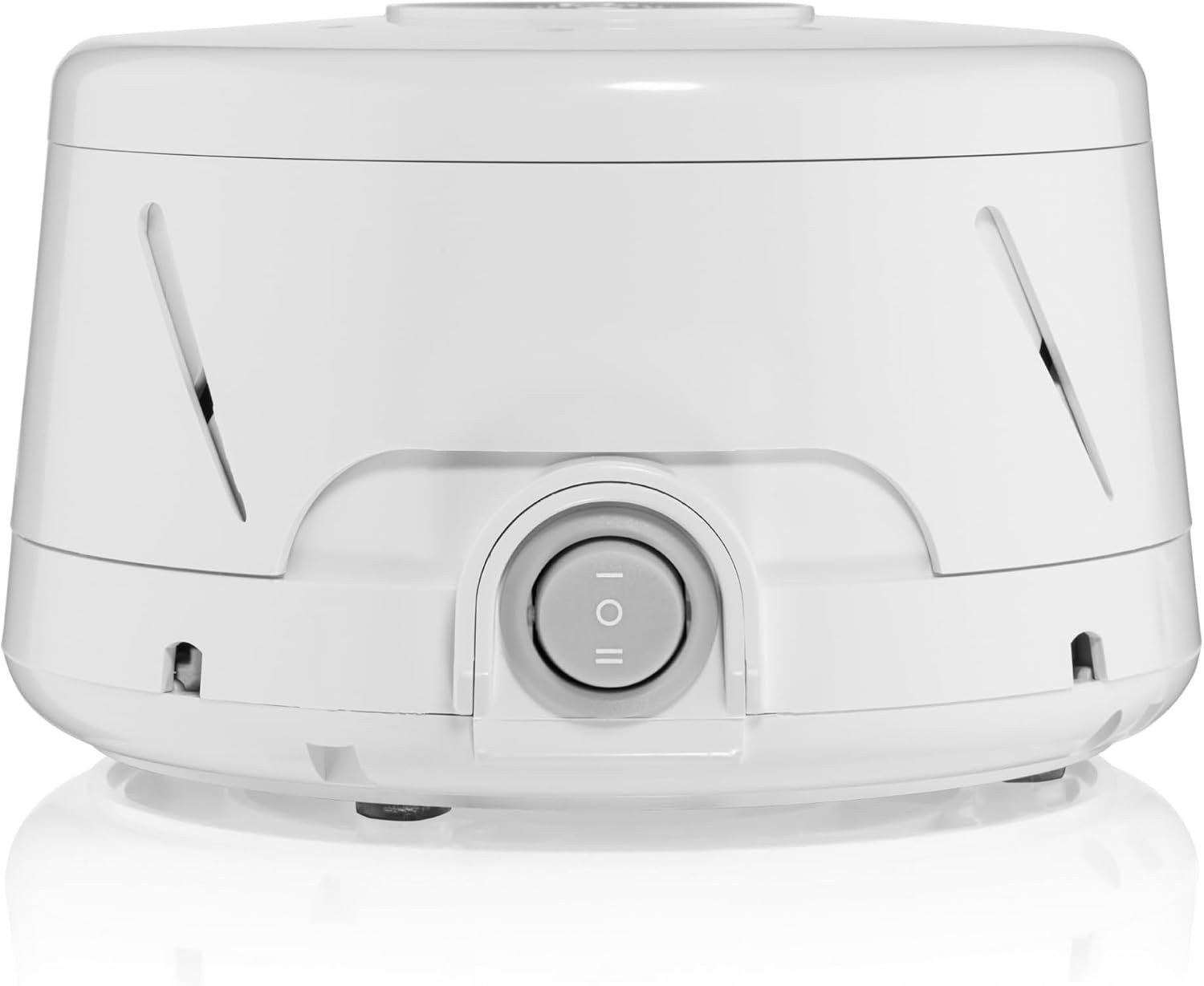
Yogasleep Dohm Classic White-Noise Machine — White
Best for
People in ordinary bedrooms who want the softest, most natural masking sound and no technology.
What it does well
- Sound comes from moving air, so it cannot loop and has the soft texture people associate with a real fan
- Two speeds plus a twist-to-adjust housing give more tonal range than the single dial suggests
Trade-offs
- A small fan has a hard volume ceiling; it will not cover heavy traffic or loud snoring
- Mains power only — no battery and no USB
-

Loop Dream Sleep Earplugs — Black
Best for
Side sleepers sharing a bed with a snorer, and anyone who has taken foam plugs out at 1 a.m. because they ached.
What it does well
- Slim body sits inside the ear rather than proud of it, so the pillow does not push it in
- 27 dB SNR (listing) takes soft sounds below audibility and turns a snorer into a murmur
Trade-offs
- Fit is the whole product and it is individual; a tip that seals for one ear leaks for another
- Costs far more up front than a box of foam plugs
Only after the brain-dump, breathing, and attention-shifting techniques; one soft text link in the conclusion.
Conclusion
Conquering the relentless onslaught of racing thoughts at night is not an overnight endeavor, nor is it achieved through mere willpower or the suppression of anxiety. It requires a holistic, multifaceted approach that addresses both the physiological hyperarousal of the nervous system and the deeply ingrained cognitive habits that fuel nocturnal anxiety. As we have explored in this comprehensive guide, understanding the underlying mechanisms of the brain's transition into the default mode network is the first critical step toward reclaiming your rest.
By actively implementing somatic interventions such as diaphragmatic breathing and progressive muscle relaxation, you can effectively stimulate the vagus nerve, signaling safety to the brain and dismantling the physical tension that sustains mental chatter. The strategic integration of advanced wearable technology further empowers this process, offering passive, neurosensory modulation that gently guides the autonomic nervous system into a state of deep calm. Simultaneously, addressing the cognitive landscape through techniques like paradoxical intention and cognitive redirection removes the performance pressure of sleep and occupies the working memory with neutral tasks. Finally, the proactive practice of scheduling a daytime worry window ensures that legitimate concerns are processed outside the bedroom, preventing the nocturnal cognitive backlog that so often plagues the modern mind.
Ultimately, stopping racing thoughts at night is about creating a sanctuary of psychological and physiological safety. By combining these scientifically backed strategies into a consistent nightly routine, you can train your brain and body to associate the bed with peace and restorative sleep, finally silencing the mental noise and achieving the deep rest you deserve.
Join the conversation
Questions and experiences are welcome. Every comment is read by a person before it appears, and your email address is never published.
No comments yet — yours would be the first.