
In an increasingly hyper-connected world, the concept of a digital detox before bed has evolved from a niche wellness trend into a critical component of sleep hygiene. As the boundaries between work, socializing, and rest continue to blur, our reliance on smartphones, tablets, and computers has infiltrated the most private sanctuary we possess: the bedroom. The pervasive glow of screens and the constant ping of notifications have fundamentally disrupted our natural circadian rhythms, leading to an epidemic of sleep deprivation and chronic fatigue. A digital detox—a deliberate, structured period of disconnection from all electronic devices prior to sleep—offers a potent antidote to this modern affliction. By intentionally putting away our screens, we signal to our brains that the day’s demands have concluded, paving the way for the complex physiological processes that govern restorative sleep. This practice is not merely about avoiding the superficial distractions of social media or late-night emails; it is about reclaiming the neurological and hormonal balance required for true rejuvenation. The science behind sleep underscores the necessity of a calm, dark environment, uncorrupted by the artificial stimuli emitted by our devices. When we engage with screens right up until the moment we close our eyes, we subject our nervous systems to a barrage of information and light that actively suppresses the onset of sleep. Consequently, the quality and duration of our rest suffer, cascading into negative impacts on our cognitive function, emotional resilience, and overall physical health. Embracing a digital detox before bed requires a paradigm shift, a conscious decision to prioritize our biological needs over the relentless pull of the digital landscape. It involves creating a deliberate buffer zone between the active, alert state of our waking hours and the deep, restorative phases of sleep. By exploring the multifaceted impacts of technology on our sleep architecture—from the suppression of melatonin by blue light to the dopamine-driven feedback loops of endless scrolling—we can fully appreciate the profound benefits of disconnecting.
Blue Light and the Suppression of Melatonin
The relationship between light exposure and sleep is governed by our circadian rhythm, the internal 24-hour clock that dictates our sleep-wake cycle. For millennia, this rhythm was synchronized with the rising and setting of the sun. However, the advent of artificial lighting and, more recently, the ubiquitous presence of digital screens have profoundly disrupted this evolutionary alignment. Central to this disruption is blue light, a high-energy, short-wavelength light emitted abundantly by the LEDs used in smartphones, tablets, and laptops. While daytime exposure to blue light is beneficial, boosting attention, reaction times, and mood, its presence in the evening is deeply antagonistic to the physiological processes of sleep. At the core of this conflict is melatonin, a hormone produced by the pineal gland in the brain. Often referred to as the "hormone of darkness," melatonin is responsible for signaling to the body that it is time to wind down and prepare for sleep. Its production typically begins to rise in the late evening, peaking in the middle of the night. However, the photoreceptors in our eyes, specifically the intrinsically photosensitive retinal ganglion cells (ipRGCs), are acutely sensitive to blue light. When these cells detect blue light from a screen in the evening, they send a powerful message to the brain's suprachiasmatic nucleus, falsely indicating that it is still daylight. Consequently, the pineal gland suppresses the secretion of melatonin. This suppression can delay the onset of sleep, pushing the circadian rhythm out of phase and making it significantly harder to fall asleep at the desired time. The consequences of blue-light-induced melatonin suppression extend beyond mere difficulty falling asleep. It can alter the architecture of sleep itself, reducing the amount of rapid eye movement (REM) sleep, which is crucial for memory consolidation and emotional regulation. Individuals who use screens heavily before bed often report feeling less rested upon waking, a direct result of this disrupted sleep cycle. Furthermore, chronic suppression of melatonin has been linked to a host of long-term health issues, including an increased risk of obesity, diabetes, and cardiovascular disease, as melatonin also plays a role in metabolic regulation and possesses antioxidant properties. The scientific consensus is clear: the artificial daytime created by our devices is fundamentally incompatible with the biological requirement for darkness preceding sleep. Mitigating this impact requires structural changes to our evening routines, primarily by eliminating screen exposure in the hours leading up to bedtime. While blue-light-blocking glasses or software filters that warm the color temperature of screens can offer some mitigation, they are not a complete solution, as the cognitive stimulation of the content itself remains a significant barrier to rest.
The Dopamine Feedback Loop of Endless Scrolling
Beyond the physiological disruption caused by blue light, the cognitive and emotional stimulation provided by digital devices poses an equally formidable obstacle to sleep. The applications and platforms we engage with—particularly social media, news feeds, and mobile games—are meticulously engineered to capture and retain our attention. They achieve this by exploiting the brain's reward system, specifically the neurotransmitter dopamine, which plays a central role in motivation, pleasure, and the reinforcement of behavior. Every time we receive a notification, discover an interesting post, or complete a level in a game, our brain releases a small surge of dopamine. This creates a powerful feedback loop: the unpredictable nature of these rewards—a phenomenon known as variable ratio reinforcement—keeps us compulsively checking our devices, anticipating the next hit of dopamine. When we engage in endless scrolling before bed, we subject our brains to a continuous stream of novel information and micro-rewards. This state of hyper-arousal is the antithesis of the calm, relaxed state required to transition into sleep. Instead of winding down, the brain remains in active, processing mode, alert to the emotional valence of the content we consume. Whether it is the stress induced by reading a distressing news article, the social comparison triggered by a curated Instagram feed, or the cognitive engagement required to respond to an email, these interactions elevate our heart rate, blood pressure, and cortisol levels—the body's primary stress hormone. Elevated cortisol actively antagonizes sleep, keeping the body in a state of 'fight or flight' readiness. The dopamine-driven compulsion to scroll can easily lead to bedtime procrastination, a phenomenon where individuals unnecessarily delay going to sleep, often sacrificing vital hours of rest for the sake of continued digital engagement. This behavior is frequently driven by a desire for 'revenge bedtime procrastination,' where people who feel a lack of control over their daytime hours attempt to reclaim personal time at night, paradoxically harming their well-being in the process. Breaking this feedback loop requires conscious intervention and the establishment of strict boundaries. It is not sufficient to simply intend to put the phone down; the structural design of these platforms actively works against willpower. A successful digital detox involves recognizing the addictive nature of these technologies and implementing physical and temporal barriers to their use. By severing the connection to the dopamine-rich environment of our digital lives in the hours before bed, we allow our nervous systems to naturally decompress, reducing cognitive arousal and clearing the path for the parasympathetic nervous system to initiate the physiological relaxation response necessary for deep, restorative sleep.
Reclaiming the Bedroom as a Tech-Free Zone
The environment in which we sleep plays a profound role in the quality of our rest. Over time, our brains form strong associations between specific locations and the activities performed there. This psychological principle, known as stimulus control, suggests that the bedroom should be strongly and exclusively associated with sleep and intimacy. However, the infiltration of technology has severely compromised this association. When we bring laptops, tablets, and smartphones into the bedroom, we import the stresses of the workday, the anxieties of social media, and the endless stimulation of the internet directly into our sleeping environment. The bed transforms from a sanctuary of rest into a multi-purpose hub for entertainment, communication, and labor. To combat this, reclaiming the bedroom as a strict tech-free zone is a foundational step in establishing a healthy digital detox routine. This physical boundary is crucial because it removes both the temptation to use devices and the subconscious anxiety associated with their presence. Even a silenced phone sitting on a nightstand can exert a psychological pull, a phenomenon sometimes referred to as 'brain drain.' Studies have shown that the mere presence of a smartphone, even when turned off or face down, can reduce cognitive capacity, as a portion of the brain's resources is dedicated to actively inhibiting the urge to check it. By physically removing devices from the bedroom, we eliminate this constant, low-level cognitive tax. Creating a tech-free sanctuary involves a deliberate restructuring of our physical space. It means establishing a charging station in another room—perhaps the kitchen or the living room—where all devices are deposited at a designated time each evening. This simple act of physical separation creates a powerful psychological barrier. When you enter the bedroom, you leave the digital world behind. The bedroom should be optimized for sleep: cool, dark, and quiet. The removal of devices eliminates the sudden, disruptive bursts of light from notifications and the temptation to quickly check a message if you wake up in the middle of the night. This practice also forces a reevaluation of our evening routines. Without the default activity of staring at a screen, we are compelled to engage in more restorative, sleep-promoting behaviors. The tech-free bedroom becomes a space dedicated entirely to relaxation, recovery, and peace. It reinforces the neural pathways that signal to the body that it is time to sleep, strengthening the psychological association between the physical space of the bed and the act of resting. This deliberate environmental design is a powerful tool in dismantling the habits that lead to poor sleep hygiene, providing a clean slate upon which to build healthier nighttime routines.
Transitioning to Smart Clocks Instead of Phones
A common and understandable objection to removing smartphones from the bedroom is their role as an alarm clock. For many, the phone is the last thing they interact with before sleep and the first thing they reach for upon waking, primarily to set or silence an alarm. This reliance tightly binds our sleep-wake cycle to a device that is inherently designed to distract and stimulate. To successfully implement a digital detox and maintain a tech-free bedroom, it is essential to sever this dependency by transitioning to alternative waking mechanisms. This is where the adoption of dedicated, sleep-focused alarm clocks becomes crucial. While traditional, analog alarm clocks serve the basic function of waking you up, they often lack the features necessary for a gentle, natural awakening, sometimes relying on jarring, stress-inducing sounds. Modern smart clocks, designed specifically with sleep hygiene in mind, offer a sophisticated solution that bridges the gap between the necessary utility of an alarm and the principles of a digital detox. A prime example of this evolution is the [[PRODUCT:loftie-alarm-clock-with-sound-machine]]. Devices like the Loftie are engineered to replace the smartphone on the nightstand entirely, providing the essential functions without the addictive pitfalls. They prioritize a sleep-conducive environment by offering features such as two-phase alarms, which mimic the body's natural waking process with a gentle initial sound followed by a more robust tone, rather than shocking the system awake. Furthermore, these smart clocks often integrate features that actively promote relaxation and sleep onset, such as built-in sound machines offering white noise, nature sounds, or guided meditations. This functionality replaces the need for sleep apps on a smartphone, consolidating sleep-promoting tools into a single, non-distracting device. The display of a sleep-focused smart clock is also a critical consideration; unlike the harsh, blue-light-emitting screens of phones, these devices typically feature dimmable, warm-toned displays that do not interfere with melatonin production and can often be completely blacked out during the night. By replacing the smartphone with a dedicated smart clock, you remove the primary vector for late-night scrolling and the immediate morning plunge into emails and social media. You regain control over the first and last moments of your day. Waking up to a dedicated clock rather than a smartphone allows for a slower, more intentional start to the morning, preventing the immediate spike in cortisol that often accompanies checking notifications right after opening your eyes. This transition is a tangible, practical step that supports the broader goal of a digital detox, reinforcing the physical boundaries of the tech-free bedroom while providing a superior, more physiologically aligned waking experience.
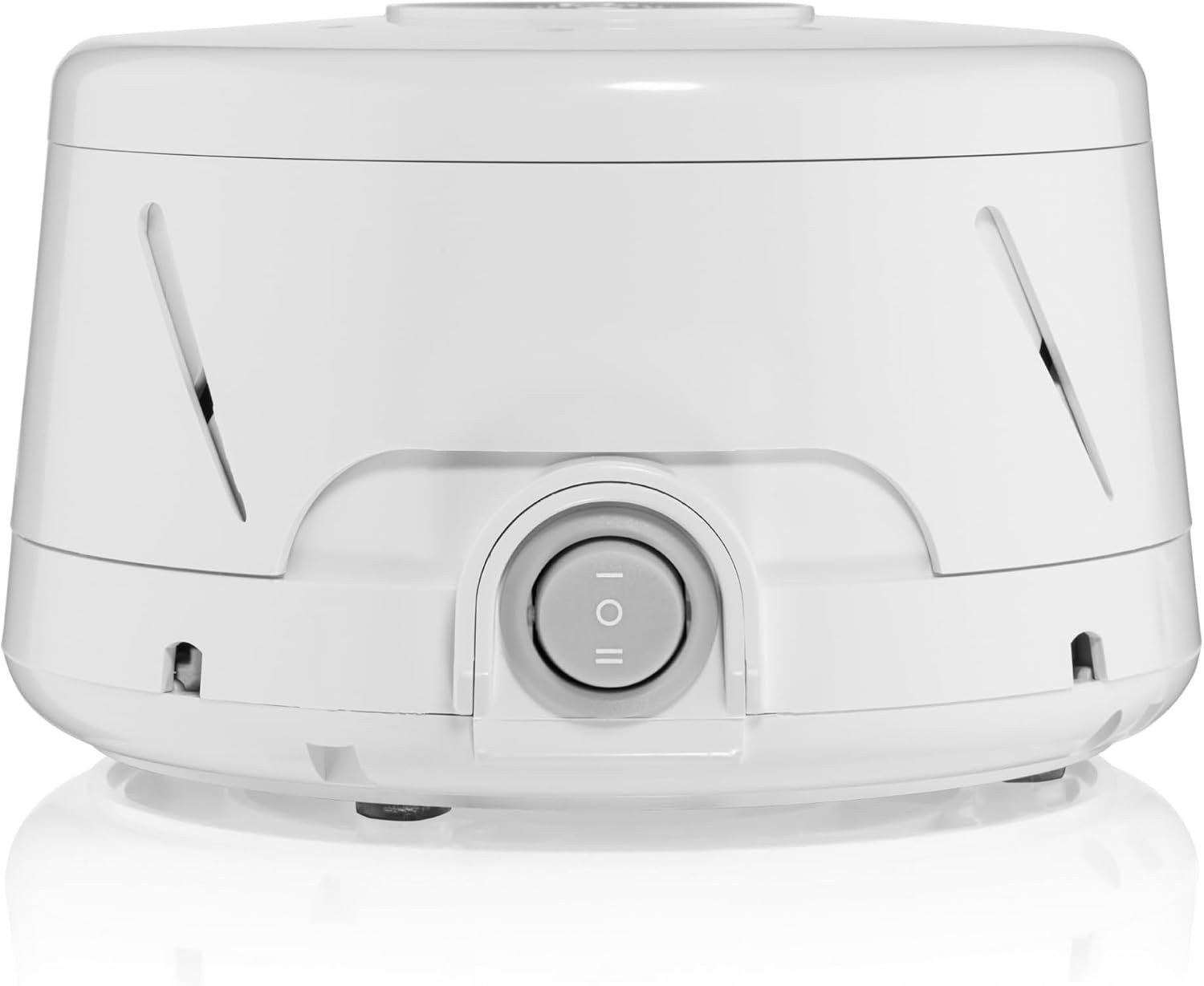
Yogasleep Dohm Classic White-Noise Machine — White
The Dohm Classic makes its sound with an actual fan inside a shell you twist to shape the tone, so the noise is continuous air rather than a recording. It suits people who want a gentle, natural masking sound in an ordinary bedroom and no electronics to manage. Its limits are volume — a small fan cannot cover a loud street — and a mains cord with no battery.
Analog Activities to Replace Screen Time
Successfully implementing a digital detox before bed requires more than simply removing devices; it necessitates replacing the vacuum left by screen time with engaging, analog activities that actively promote relaxation and prepare the body for sleep. If the time previously spent scrolling is left empty, the temptation to revert to old habits will be overwhelming. The goal is to curate an evening routine—a 'wind-down' period—that serves as a deliberate transition between the high-energy demands of the day and the restorative calm of the night. This routine should ideally begin 60 to 90 minutes before your target bedtime, creating a substantial buffer zone. Reading a physical book is perhaps the most universally recommended analog activity for this period. Unlike the backlit screens of e-readers or tablets, the reflected light from a book does not suppress melatonin. Furthermore, reading engages the imagination and demands focused attention, which can distract the mind from the anxieties and looping thoughts that often cause insomnia. It is a quiet, solitary activity that naturally slows the heart rate and relaxes the muscles. Journaling is another powerful tool for the digital detox period. Writing down thoughts, worries, or simply recounting the events of the day can serve as a form of cognitive offloading. By transferring anxieties from the mind to the paper, you reduce the likelihood of them resurfacing as racing thoughts when you try to sleep. A gratitude journal, in particular, can shift the mind’s focus toward positive emotions, further reducing physiological arousal. Engaging in light, restorative stretching or yoga can also be highly beneficial. This is not the time for a vigorous workout, which would elevate body temperature and heart rate, but rather for gentle movements that release physical tension accumulated throughout the day. Practices like Yin yoga or simple stretching sequences focus on deep breathing and relaxation, activating the parasympathetic nervous system. Similarly, mindfulness meditation or deep breathing exercises, such as the 4-7-8 technique, are highly effective analog methods for lowering cortisol levels and signaling to the body that it is safe to sleep. Other relaxing analog activities might include listening to calm music or a podcast (provided the device playing it is out of reach and set on a timer), working on a jigsaw puzzle, knitting, or enjoying a warm, caffeine-free herbal tea. The key is to select activities that are enjoyable but not overly stimulating, creating a consistent, predictable routine. Over time, this sequence of analog activities becomes a classical conditioning cue; your brain will learn to associate these specific actions with the impending onset of sleep, making the transition significantly smoother and more natural. By filling the evening hours with these restorative practices, the digital detox ceases to feel like a deprivation and instead becomes a cherished, essential part of the day, a dedicated period of self-care that profoundly enhances overall well-being.
Phone-replacement block
Replace your phone alarm with a dedicated bedtime and wake-up cue.
-
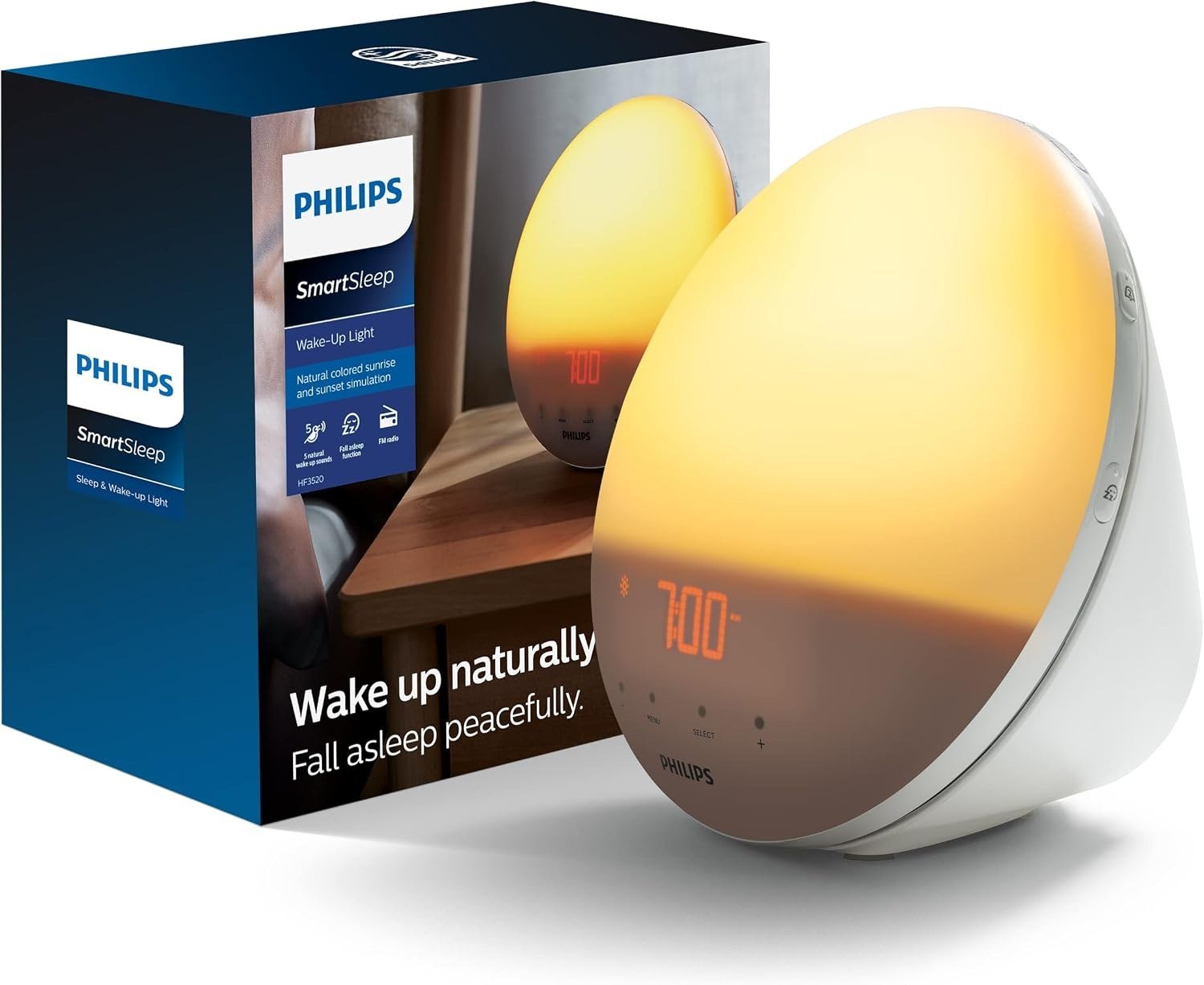
Philips SmartSleep Wake-Up Light HF3520/60
Best for
People who wake in the dark and want a bright, gradual light before the alarm, with nothing to set up or subscribe to.
What it does well
- A published brightness — 300 lux at the top of 20 settings — which neither Hatch nor Loftie states
- A 30-minute coloured sunrise that reaches full brightness before the sound, which is the whole idea of a wake light
Trade-offs
- A design that predates the current generation: the display and menus feel dated
- Five nature sounds and FM radio only — no white-noise library, no Bluetooth
-
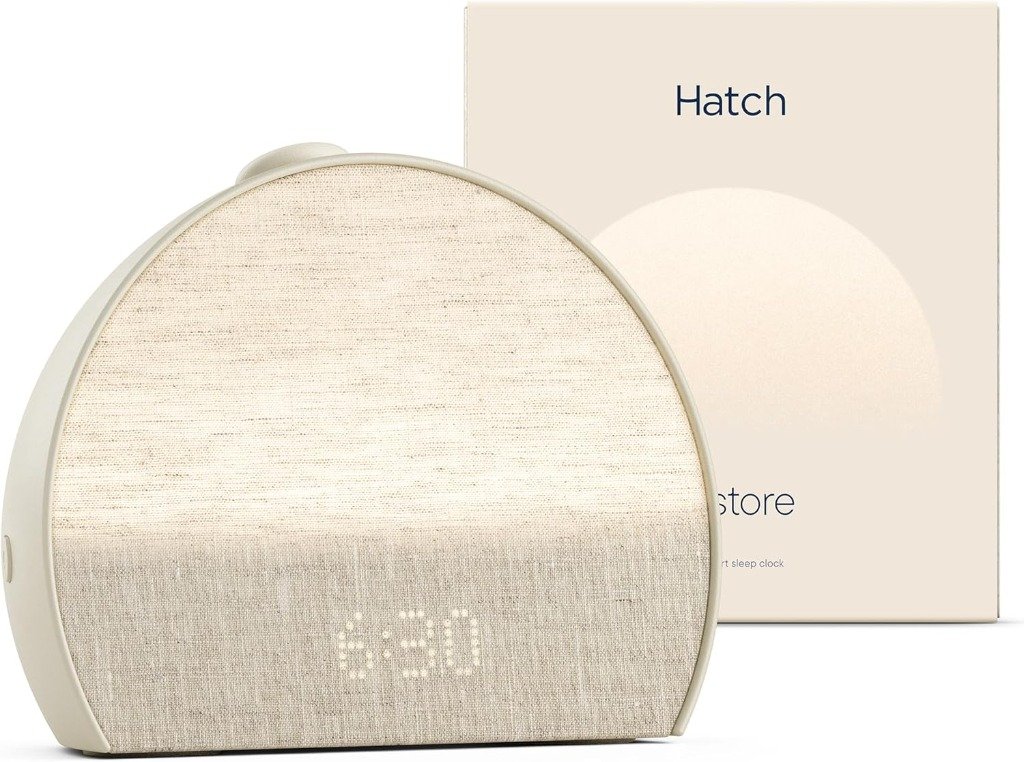
Hatch Restore 3 — Putty
Best for
People building a phone-free wind-down and wake routine who want light, sound and alarm scheduled as one thing.
What it does well
- Light and sound are scheduled together in one bedtime and wake routine, which is the whole point of the category
- A large physical button and clock-face controls mean the phone stays out of the bedroom after set-up
Trade-offs
- Set-up requires the app, Wi-Fi and — per Hatch's own support pages — starting a free Hatch+ trial you then have to cancel
- Hatch+ ($4.99 a month or $49.99 a year per Hatch) is where the larger sound library, stories and meditations live
-

Manta PRO Sleep Mask
Best for
Side sleepers, shift workers and anyone whose flat masks leak light at the nose — people who will trade some bulk for a seal they can adjust.
What it does well
- Eye cups reposition along the strap, so the seal follows your face instead of a fixed average
- Deep cups leave a hollow in front of the eyes — you can blink freely, which matters during REM
Trade-offs
- Noticeably bulkier than a flat silk mask; stomach sleepers who press into the pillow will feel it
- Priced at the top of the category — MZOO and Nidra deliver a similar blackout for less
After advising readers to move the phone away from the bed; add one short end link to the preferred setup.
Conclusion
The necessity of a digital detox before bed is no longer a matter of debate but a scientifically validated imperative for maintaining optimal health in our technology-saturated world. The persistent exposure to blue light and the relentless cognitive stimulation provided by our devices actively sabotage what our bodies need, disrupting circadian rhythms, suppressing melatonin, and elevating stress hormones precisely when we need them to subside. By understanding the profound physiological and psychological impacts of late-night screen time, we can recognize the urgency of reclaiming our evenings. Establishing a strict digital detox is not merely an exercise in self-denial; it is a vital act of preservation for our cognitive function, emotional stability, and long-term physical health. The steps are clear: acknowledge the detrimental effects of the dopamine feedback loop, physically remove technology from the sanctuary of the bedroom, transition to sleep-promoting tools like smart clocks, and cultivate a rich routine of analog, restorative activities. This intentional separation from the digital world allows our nervous systems to properly decompress, paving the way for the deep, restorative sleep that is the foundation of human vitality. In committing to a digital detox before bed, we prioritize our most fundamental biological needs, ensuring that we wake not just functional, but truly rested and ready to engage with the world.


Join the conversation
Questions and experiences are welcome. Every comment is read by a person before it appears, and your email address is never published.
No comments yet — yours would be the first.