For decades, the cultural expectation of romantic partnership has inextricably linked love and commitment with a shared marital bed. The shared bed has long stood as an unassailable symbol of intimacy, a private sanctuary where couples retreat at the close of a demanding day to reconnect, decompress, and share physical and emotional proximity. However, a silent but rapidly growing revolution is currently upending this long-held paradigm across various demographics. An increasing number of couples—ranging from young professionals and university students managing grueling, asynchronous schedules, to older demographics navigating complex age-related physiological changes, and individuals managing acute or chronic illnesses—are opting for a practice somewhat provocatively termed "sleep divorce." But despite the slightly abrasive nomenclature, this trend is absolutely not a symptom of failing relationships or waning affection; rather, it represents a profound, scientifically-backed shift toward prioritizing sleep hygiene, individual circadian biology, and overall systemic health.
From a purely neurobiological perspective, sleep is an inherently selfish biological act. When we close our eyes and enter the intricate, cascading stages of non-REM (NREM) and Rapid Eye Movement (REM) sleep, our brains and bodies perform critical, life-sustaining maintenance. During these vulnerable hours, the brain engages in memory consolidation, the glymphatic system flushes neurotoxic waste products (such as amyloid-beta plaques), and the endocrine system regulates cellular repair and metabolic homeostasis. Our sleep architecture—the structural progression through these sleep cycles—is extraordinarily delicate and highly susceptible to environmental disruptions. When two individuals with entirely distinct physiological needs, varying thermal preferences, and misaligned circadian rhythms attempt to achieve this vulnerable, complex neurobiological state in the exact same micro-environment, the results are frequently compromised sleep architecture for one or both partners.
As neuroscientists, chronobiologists, and sleep medicine specialists look more closely at the biomechanics and psychology of shared sleep, the data generated is unequivocal: chronic sleep deprivation caused by a bed partner significantly impairs cognitive function, emotional regulation, and long-term cardiovascular health. The concept of sleep divorce, or sleeping in separate beds, is fundamentally a pragmatic, health-conscious solution to a biological problem. By consciously decoupling physical intimacy from the unconscious, physiological necessity of sleeping, modern couples are discovering that they can actually dramatically improve both their individual well-being and the quality of their relationship, returning to each other in the morning refreshed and biologically optimized, rather than exhausted and resentful.
The "Two Thermostats" Analogy of Co-Sleeping
To truly understand the profound physiological challenge of co-sleeping, one must consider the fundamental mechanics of human thermoregulation during the nocturnal sleep cycle. The analogy of "two thermostats in one room" perfectly encapsulates this nightly dilemma. Imagine a single, enclosed room equipped with two separate, highly sensitive autonomous thermostats. One thermostat is programmed by a specialized system to trigger aggressive cooling mechanisms the exact moment the ambient temperature rises even slightly above a specific, cool threshold. Meanwhile, the other thermostat is calibrated to immediately pump in dense heat if the temperature drops below a much warmer baseline. If both of these thermostats are activated simultaneously within the same confined physical space, they will inevitably battle each other in a relentless feedback loop. The result is a chaotic, continuously fluctuating environment where neither system achieves its optimal target state, and enormous amounts of energy are wasted in the conflict.
This is precisely what happens on a biological level when two adult humans share a bed. Our bodies act as incredibly precise, autonomous biological thermostats governed by the hypothalamus. As we transition from active wakefulness into the initial stages of sleep (N1 and N2), our core body temperature must naturally drop. This thermoregulatory decline is a crucial physiological cue that facilitates the onset of deep, restorative slow-wave sleep (N3). However, this requisite temperature drop is not uniform across all individuals. Some people possess a higher basal metabolic rate, increased muscle mass, or differences in peripheral vasodilation, meaning they naturally radiate significantly more heat into their environment. Other individuals, particularly older adults or those with different circulatory profiles, are highly sensitive to cold, requiring heavier insulation to maintain a comfortable skin temperature that allows for sleep onset.
When these two disparate thermal systems are forced to share a single micro-climate beneath the same heavy duvet, severe thermal incompatibility occurs. The copious heat radiated by the "warm" sleeper becomes trapped by the bedding, artificially elevating the micro-climate temperature. This trapped heat prevents the "cool" sleeper (who needs a temperature drop) from shedding their own body heat, completely blocking the core temperature decline necessary for deep sleep. Consequently, the brain registers this thermal stress as an environmental threat, leading to localized sweating, increased heart rate, and critically, micro-arousals. Micro-arousals are brief, often unremembered neurological awakenings that fragment sleep architecture, violently pulling the sleeper out of restorative N3 sleep and preventing progression. This physiological tug-of-war is exhausting. It forces the cardiovascular system to work harder to dissipate or retain heat throughout the night, disrupting heart rate variability and elevating nocturnal cortisol levels. The "two thermostats" problem clearly illustrates that shared sleep is not merely a matter of emotional compromise or adjusting a blanket; it is a complex biological negotiation that our autonomous nervous systems are fundamentally unequipped to handle efficiently in close quarters.
Why "Sleep Divorce" is Saving Relationships
The term "sleep divorce" often elicits gasps and raised eyebrows, carrying a deeply ingrained, unwarranted societal stigma that implies a breakdown in physical intimacy, a lack of affection, or impending marital separation. In reality, the rapidly expanding body of scientific literature, coupled with empirical evidence from sleep clinics and psychological counseling centers, suggests the exact opposite: prioritizing individualized, biologically optimized sleep environments is frequently the catalyst that saves, stabilizes, and revitalizes struggling relationships.
Chronic sleep deprivation is recognized as one of the most powerful biological stressors a human can endure, profoundly altering behavior, perception, and emotional regulation. When an individual suffers from chronic, fragmented sleep due to a partner’s movements, excessive thermal output, or respiratory sounds, the brain undergoes a structural functional shift. Specifically, the prefrontal cortex—the advanced brain region responsible for executive function, logical reasoning, impulse control, and emotional regulation—experiences significantly decreased functional connectivity with the amygdala, the brain's primal emotional processing center. This neurological disconnect creates a dangerous state of heightened emotional reactivity and hyper-vigilance.
A sleep-deprived partner is neurobiologically primed to experience irrational irritability, severely decreased empathy, and an amplified, aggressive response to minor interpersonal stressors. Over time, this daily erosion of cognitive patience manifests as increased verbal conflict, diminished communication, and a slow-building, toxic resentment toward the source of the sleep disruption—which, in this context, is the partner. By implementing a sleep divorce and transitioning to separate beds or entirely separate bedrooms, couples effectively neutralize this potent biological trigger for relationship strife. The immediate, quantifiable benefit is the rapid restoration of consolidated, uninterrupted sleep architecture. As the accumulated sleep debt is paid down over weeks and months, prefrontal cortex function fully normalizes, cognitive empathy returns, and the capacity for patient, constructive, and loving communication is completely restored.
Furthermore, sleep divorce allows couples to consciously redefine physical intimacy on their own deliberate terms. Rather than physical closeness being a passive, often interrupted, and sometimes irritating byproduct of forced proximity during unconsciousness, intimacy becomes a conscious, intentional, and highly valued choice. Couples who practice separate sleeping arrangements frequently report that by removing the profound anxiety, anticipatory dread, and physiological frustration associated with forced shared sleep, their waking interactions become exponentially more meaningful, appreciative, and affectionate. The decision to sleep apart is, therefore, a profound act of mutual care and mature respect, acknowledging that optimal systemic health and individual biological needs are the indispensable foundation upon which a strong, resilient, and enduring partnership is built.
Chronotypes Clash: Early Birds vs. Night Owls
Beyond the immense challenges of thermal incompatibility, one of the most significant and biologically deeply rooted disruptors of shared sleep is the inevitable collision of misaligned chronotypes. A chronotype is not a preference; it is the innate, genetically predetermined, and evolutionarily conserved manifestation of an individual's circadian rhythm. This internal biological clock, governed by a cluster of thousands of cells in the hypothalamus known as the suprachiasmatic nucleus (SCN), dictates our natural sleep-wake cycles, the timing of hormone secretion (such as melatonin and cortisol), and the daily fluctuations in core body temperature.
While chronotypes exist on a continuous spectrum, they are broadly categorized in sleep science into "early birds" (morning larks, or advanced sleep phase) and "night owls" (delayed sleep phase). These variations are not mere lifestyle choices, indicators of laziness, or matters of personal discipline; they are deeply ingrained biological directives that are exceedingly difficult, if not impossible, to permanently alter. When an extreme morning lark is romantically partnered with a dedicated night owl, the resulting chronotype clash creates a structurally incompatible and often hostile sleep environment.
If the couple attempts to compromise by adhering to a single, synchronized bedtime, one partner's biology is inevitably suppressed and compromised. The night owl, forced to retire to bed hours before their biological sleep gate has opened and melatonin production has peaked, will experience prolonged and frustrating sleep latency. They will lie awake in the dark, their brain fully active, while the early bird quickly and easily transitions into deep slow-wave sleep. This period of forced inactivity for the night owl often leads to psychophysiological insomnia. Conversely, if the couple decides to stagger their bedtimes to respect their own rhythms, the night owl’s eventual entry into the dark bedroom—involving movement, shifting mattresses, and inevitable noise—often causes a primary, jarring arousal for the early bird, violently disrupting their established sleep architecture right in the middle of their crucial N3 stage.
This biological disruption is severely compounded in the early morning hours. The early bird’s natural, biologically driven awakening at dawn, accompanied by enthusiastic movement, ambient light exposure, and morning routines, abruptly terminates the night owl’s final, and arguably most critical, stages of REM sleep. This chronic, daily truncation of specific sleep stages has severe physiological and cognitive consequences. Deprivation of REM sleep severely impairs emotional processing, creativity, and cognitive flexibility, while the disruption of early-night slow-wave sleep blunts physical cellular restoration, weakens immune function, and disrupts glucose metabolism. For students facing intense cognitive demands and information retention, or for professionals managing high-stress, high-stakes careers, this chronotype-induced sleep deprivation is entirely unsustainable and severely impacts daytime waking performance. Recognizing and strictly respecting these biological differences is essential for long-term health. Separate sleep spaces allow each individual to perfectly align their sleep schedule with their genetic chronotype, optimizing both sleep duration and sleep quality, and entirely eliminating the chronic, daily friction caused by profound biological incompatibility.
Managing Micro-Climates When You Share a Bed
For many couples, taking the leap to a full sleep divorce involving separate bedrooms may not be immediately feasible due to space constraints, or they may simply not be emotionally ready to commit to separate beds. However, if they are actively suffering the exhausting consequences of the "two thermostats" dilemma, actively and scientifically managing the shared micro-climate becomes a critical necessity. The sleep micro-climate refers to the specific, confined atmospheric conditions—primarily temperature, humidity, and airflow—that become trapped between the surface of the mattress and the underside of the top covers.
Because humans are homeothermic creatures, our bodies constantly exchange thermal energy with this immediate micro-climate. When two metabolically active people share this small space, the thermal load essentially doubles, and managing it requires strategic, technologically assisted intervention based on the principles of thermodynamics. The traditional Western approach of utilizing a single, heavy, shared duvet or comforter is fundamentally flawed and biologically counterproductive for two individuals with differing thermal needs.
The first, most accessible line of defense is adopting what is commonly known as the "Scandinavian sleep method." This highly effective practice involves abandoning the shared top sheet and single duvet, and instead utilizing two separate, twin-sized duvets of varying weights, materials, and thermal resistances (often measured in tog ratings). This simple but brilliant intervention allows the "cool" sleeper to utilize a heavily insulated, down-filled duvet to effectively trap their body heat, while the "warm" sleeper can simultaneously opt for a lightweight, highly breathable cover that facilitates rapid heat dissipation.
However, while passive insulation management is helpful, it is often insufficient for couples with severe thermal discrepancies or for individuals suffering from medical conditions that cause intense night sweats. To truly solve the micro-climate problem at a scientific level, active thermoregulation technology is required. Integrating a localized, active cooling and heating system can drastically alter the sleep environment and salvage shared sleep. For instance, incorporating the [[PRODUCT:bedjet-3-climate-comfort-system]] allows for targeted, biorhythm-based temperature control. This advanced technology actively ventilates the bed, providing a continuous, customized flow of either cooled or warmed air directly into the sleep micro-climate. Crucially, it is independently controlled for each side of the bed. By actively and continuously removing excess trapped body heat for the hot sleeper, or providing safe, supplemental warmth for the cold sleeper, these systems prevent the thermal accumulation that leads to night sweats, tossing, turning, and micro-arousals.
Furthermore, paying close attention to the material science of your sleep surfaces is vital for managing humidity. Utilizing advanced phase-change materials (PCMs) in mattress toppers can absorb and release heat to maintain a steady temperature. Additionally, utilizing high-breathability natural fibers like Tencel, bamboo, or crisp percale cotton in sheets can vastly enhance moisture wicking and thermal conductivity compared to synthetic polyesters. By treating the shared bed not as a single, monolithic environment, but as two distinct, highly customizable biological micro-climates, couples can heavily mitigate the physiological stress of thermal incompatibility and rigorously protect their delicate sleep architecture.
Dealing with a Snoring Partner
While thermal incompatibility and chronotype clashes are deeply insidious sleep disruptors, perhaps the most universally recognized, acutely maddening, and profoundly disruptive element of shared sleep is a snoring partner. Snoring is frequently trivialized as a mere auditory annoyance or the punchline to sitcom jokes; however, medically speaking, it is a significant mechanical turbulence within the upper airway during sleep. It is often indicative of increased airway resistance, anatomical restrictions, or, more seriously, it is the primary symptom of Obstructive Sleep Apnea (OSA), a dangerous condition characterized by repeated cessations of breathing.
From a strict sleep science perspective, the impact of a heavily snoring partner on the non-snoring individual is nothing short of catastrophic. The acoustic energy generated by heavy, chronic snoring can easily and consistently exceed 60 to 80 decibels—which is roughly equivalent to the sustained noise level of a vacuum cleaner operating next to your head, or standing near heavy city traffic. A critical fact about human biology is that the auditory system does not shut down during sleep; it remains highly active, acting as an evolutionary alarm system continuously monitoring the ambient environment for threats.
When exposed to the erratic, unpredictable, high-decibel acoustic bursts of a partner's snoring, the brain’s reticular activating system is immediately triggered, initiating a sharp cortical arousal. These arousals may not fully awaken the non-snoring partner to full consciousness, but they forcefully and repeatedly pull them out of the restorative, physically repairing deep sleep (N3) and the cognitively vital REM sleep, dragging them back into the lighter, less restorative sleep stages (N1 and N2). Over the course of a night, this results in hundreds of micro-awakenings. This extreme, chronic sleep fragmentation leads to profound daytime fatigue, severely impaired cognitive function, memory deficits, mood instability, and significantly increased cardiovascular stress for the "victim" of the snoring.
Addressing this intense acoustic assault requires a rigorous, multi-pronged scientific approach. For the snoring partner, a clinical evaluation by a sleep physician is absolutely paramount to rule out sleep apnea, which requires specific medical interventions such as Continuous Positive Airway Pressure (CPAP) therapy, mandibular advancement devices, or even surgical intervention. Positional therapy, using special pillows or wearable devices to encourage side-sleeping and prevent the gravitational collapse of soft tissues in the throat, can also be highly effective for simple snoring.
For the non-snoring partner, aggressive acoustic isolation is essential for preserving their neurobiological health and sleep architecture. While standard, cheap foam earplugs offer basic, low-level attenuation, they are notoriously uncomfortable for prolonged nightly use, often fall out, and fundamentally fail to block the bone-conducted, low-frequency vibrations characteristic of heavy, resonant snoring. Advanced acoustic management, such as utilizing the [[PRODUCT:loop-dream-earplugs]], provides a much more sophisticated, scientifically engineered solution. These specialized, high-fidelity devices are explicitly engineered to reduce a significant decibel range across specific frequencies while maintaining maximum ergonomic comfort during side-sleeping. They effectively decouple the sleeper from the disruptive acoustic environment without causing ear canal fatigue. However, when acoustic blocking, positional interventions, and medical treatments fail to mitigate the disruption, implementing a sleep divorce and moving to separate beds or separate rooms remains the most effective, scientifically sound, and protective method to preserve the non-snoring partner's health and sanity.
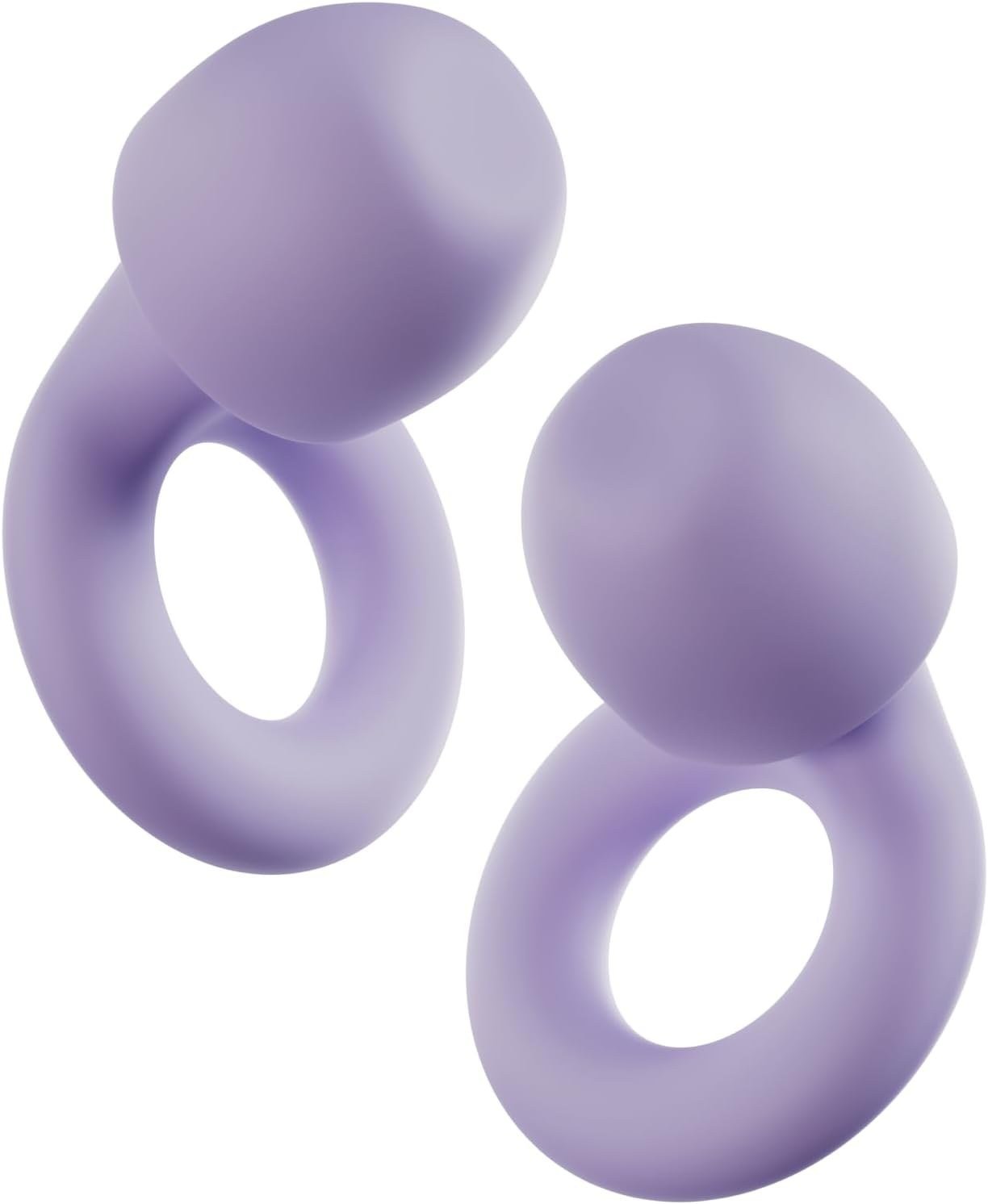
Loop Quiet 2 Earplugs
Loop Quiet 2 are reusable silicone earplugs rated at 24 dB SNR with four tip sizes in the box and a smaller nozzle than the first generation. They are the general-purpose choice for people who want one plug for sleep, flights and open-plan offices rather than a sleep-specific design. Side sleepers who press hard into the pillow should look at Loop Dream instead.
Conclusion
The traditional societal paradigm that unequivocally equates a shared marital bed with a successful, loving relationship is currently facing rigorous, overdue scientific scrutiny. As our understanding of human sleep architecture, complex circadian biology, and physiological thermoregulation advances, it becomes increasingly and undeniably clear that co-sleeping presents a massive, multifaceted biological challenge. The illuminating analogy of the "two thermostats" perfectly and succinctly illustrates the relentless physiological friction that occurs when differing thermal needs, severely mismatched genetic chronotypes, and profoundly disruptive acoustic factors like high-decibel snoring collide in a single, confined micro-environment.
For millions of couples globally, this nightly biological collision results in chronic, severe sleep fragmentation, degraded cognitive function, weakened immune responses, and extreme emotional dysregulation—all of which are factors that actively and aggressively undermine the foundational health of the relationship itself. Therefore, "sleep divorce," or the conscious choice to sleep in separate beds, must be reframed. It is not a retreat from love or intimacy, but rather a strategic, highly logical, and health-optimizing intervention. By bravely embracing separate beds, or by utilizing advanced technology to create highly customized micro-climates, individuals can reclaim their right to restorative, uninterrupted sleep.
This reclamation directly supports their long-term cardiovascular health, bolsters immune function, and restores emotional resilience. Whether couples are implementing active, dual-zone thermal management systems, utilizing advanced, ergonomic acoustic attenuation, or simply making the pragmatic decision to move to separate rooms, prioritizing uncompromised sleep hygiene is a profound act of self-care and immense mutual respect. Ultimately, the science is clear: a biologically well-rested individual is a significantly more patient, highly empathetic, and emotionally present partner, proving conclusively that sometimes, the absolute best way to stay happily together is to sleep peacefully apart.
Join the conversation
Questions and experiences are welcome. Every comment is read by a person before it appears, and your email address is never published.
No comments yet — yours would be the first.