
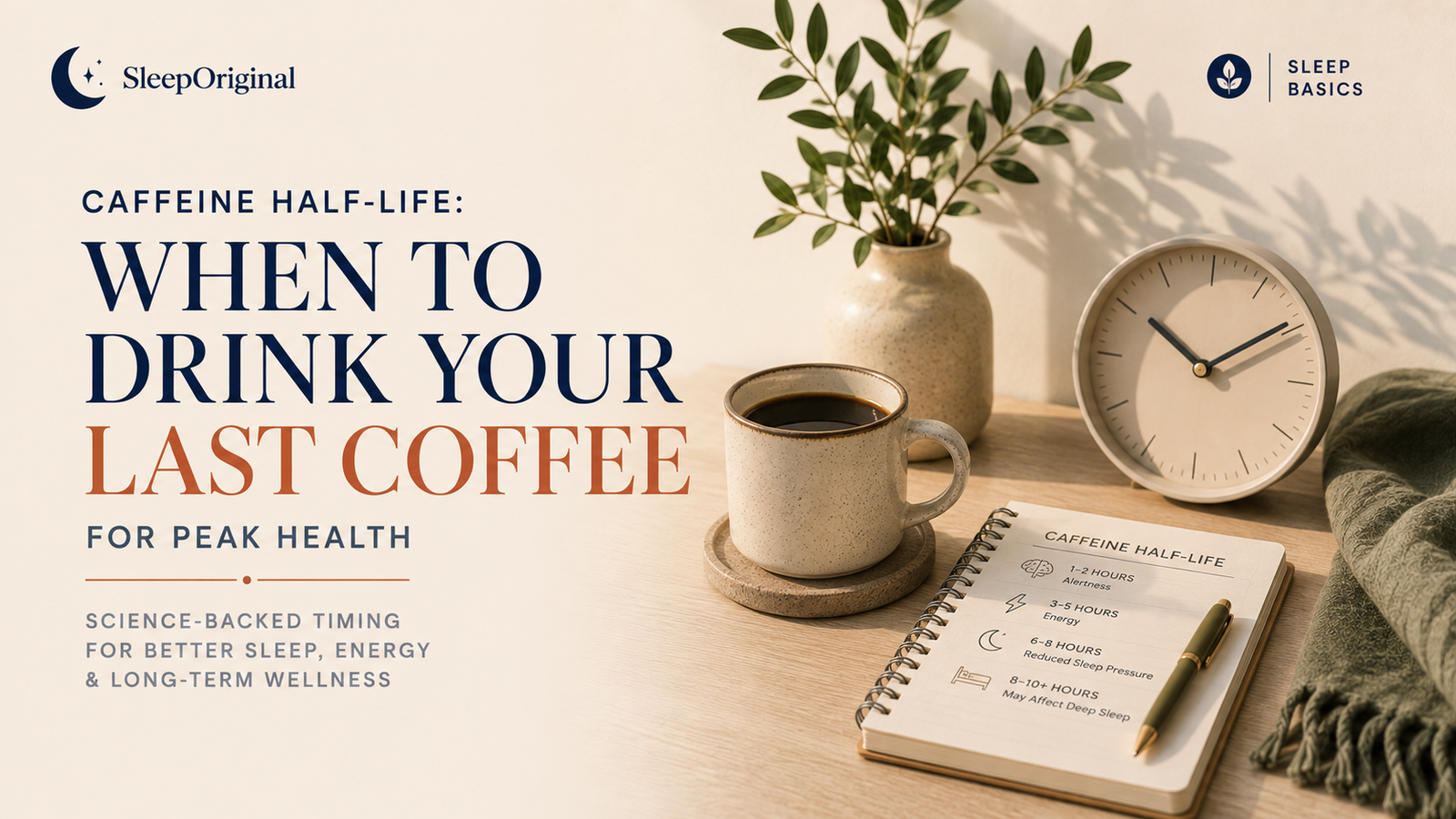
Introduction
When we contemplate the delicate balance between daytime alertness and nocturnal rest, caffeine often emerges as the central protagonist—or antagonist, depending on the timing. As the most widely consumed psychoactive substance on the planet, caffeine holds an almost revered status in modern society. From the morning espresso that kickstarts the workday to the mid-afternoon latte that staves off the post-lunch slump, our reliance on this stimulant is ubiquitous. However, the profound impact that caffeine exerts on our physiological systems extends far beyond the transient surge of energy we experience shortly after consumption. A critical factor that determines the trajectory of our daily rhythm is the caffeine half-life, a pharmacokinetic metric that dictates precisely how long the compound remains active within our systemic circulation. Understanding the half-life of caffeine is not merely a matter of scientific curiosity; it is a fundamental prerequisite for optimizing both our waking performance and our restorative sleep. To navigate the complex interplay between stimulation and relaxation, we must look closely at the mechanics of how our bodies process this ubiquitous alkaloid. The crucial question that plagues many health-conscious individuals is: when exactly should I have my last coffee of the day? The answer is not a simple, universal timestamp but rather a nuanced calculation that depends on individual metabolic rates, genetic predispositions, and the intrinsic architecture of our sleep cycles. By unraveling the intricate science behind caffeine metabolism, we can transition from a state of haphazard consumption to a strategic regimen that works with the body. This comprehensive exploration will dissect the molecular pathways, metabolic timelines, and neurological consequences of caffeine, ultimately providing a scientifically robust framework for determining the ideal cut-off time for your final dose of liquid vitality, ensuring that your pursuit of daytime productivity does not come at the expense of your nocturnal rejuvenation.
The Molecular Mechanism: Adenosine Receptor Blockade
To fully appreciate the temporal dynamics of caffeine in the human body, it is essential to first examine its primary mechanism of action at the microscopic level. The human brain is a highly complex electrochemical environment where various neurotransmitters and neuromodulators dictate our states of arousal and somnolence. Among these molecules, adenosine plays a pivotal role in the regulation of sleep homeostasis. Throughout our waking hours, as neurons fire and expend energy in the form of adenosine triphosphate (ATP), adenosine accumulates in the extracellular space of the brain. This progressive buildup of adenosine serves as a biological somnogen, creating what is commonly referred to as "sleep pressure." The more adenosine that binds to its specific receptors—primarily the A1 and A2A subtypes—the more pronounced the feeling of drowsiness becomes, gradually coaxing the central nervous system toward a state conducive to sleep.
Enter caffeine, a xanthine alkaloid whose molecular structure bears a striking resemblance to that of adenosine. This structural mimicry allows caffeine molecules to effectively masquerade as adenosine within the central nervous system. When caffeine crosses the blood-brain barrier—a feat it accomplishes with remarkable efficiency shortly after ingestion—it binds to the very same adenosine receptors. However, unlike adenosine, caffeine does not activate these receptors to induce a cascade of inhibitory signals. Instead, it acts as a competitive antagonist, effectively blocking the receptors and preventing the endogenous adenosine from attaching. By occupying these critical docking stations, caffeine temporarily halts the transmission of sleep-inducing signals, deceiving the brain into a state of artificial vigilance.
The profound implication of this blockade is that the adenosine is not eradicated; it merely continues to accumulate in the background. As the concentration of caffeine eventually wanes and vacates the receptors, the brain is suddenly flooded with the pent-up adenosine, leading to the notorious "caffeine crash." The duration for which this blockade is maintained is intrinsically linked to the caffeine half-life, dictating how long the facade of wakefulness can be sustained before the biological reality of sleep pressure reasserts itself. Furthermore, this antagonistic action triggers a secondary cascade of excitatory neurotransmitters. The inhibition of adenosine receptors facilitates the release of dopamine, glutamate, and norepinephrine, amplifying cognitive arousal, enhancing mood, and increasing heart rate. This multifaceted neurochemical response underscores why caffeine is so effective as a stimulant, yet it also highlights the profound disruption it can cause to our natural circadian rhythms if the blockade persists too late into the evening. Understanding this molecular interplay is the crucial first step in determining the optimal timing for your last cup of coffee.
Calculating the Half-Life and Quarter-Life of Caffeine
The concept of half-life is a fundamental principle in pharmacokinetics, defining the amount of time required for the concentration of a substance in the bloodstream to be reduced by precisely fifty percent. For caffeine, the universally cited average half-life in a healthy adult is approximately five to six hours. However, relying solely on this average can be profoundly misleading when attempting to optimize one's sleep hygiene. To illustrate the mathematical reality of this metabolic process, consider a scenario where you consume a robust cup of coffee containing roughly 200 milligrams of caffeine at 4:00 PM. Assuming a standard five-hour half-life, by 9:00 PM, your body will have metabolized half of the initial dose, leaving 100 milligrams actively circulating in your system. This remaining quantity is equivalent to having just consumed a slightly smaller cup of coffee right as you might be preparing to wind down for the night.
The metabolic timeline does not cease at the half-life marker. It continues into the concept of the quarter-life, which represents the point at which twenty-five percent of the original substance remains. In our example, another five hours must pass for the 100 milligrams to be halved again. Therefore, by 2:00 AM, long after you have ideally initiated sleep, there are still 50 milligrams of caffeine actively blockading adenosine receptors in your brain. This persistent presence of the stimulant can wreak havoc on the continuity and quality of your sleep, even if you managed to fall asleep initially. The exponential decay of caffeine means that the tail end of its clearance takes a surprisingly long time.
It is also crucial to recognize that the five-to-six-hour figure is merely an average, representing a median value along a broad spectrum of human metabolic rates. In some individuals, the half-life may be as short as two or three hours, allowing for more rapid clearance and greater flexibility in afternoon consumption. In stark contrast, others may possess a half-life extending upwards of ten to twelve hours. For someone with a ten-hour half-life, that 4:00 PM 200-milligram dose will still leave 100 milligrams circulating at 2:00 AM, virtually guaranteeing severe sleep disruption. Calculating your personal metabolic rate is rarely an exact science without specific clinical testing, but observing your own physiological responses to late-day consumption can provide significant clues. If you find your mind racing or your heart rate elevated at bedtime after a mid-afternoon latte, you likely lean toward the slower end of the metabolic spectrum. Understanding these temporal dynamics—both the half-life and the subsequent quarter-life—is essential for grasping just how long a single dose of caffeine can linger and exert its neurochemical influence, ultimately informing the strategic placement of your final daily intake.
Genetic Variations in the CYP1A2 Enzyme
The broad spectrum of caffeine half-lives observed across the human population is not a matter of random chance; it is deeply rooted in our genetic architecture. The primary responsibility for dismantling and clearing caffeine from the systemic circulation falls upon the liver, specifically a cytochrome P450 enzyme known as CYP1A2. This remarkable enzyme accounts for approximately 95% of the primary metabolism of caffeine, breaking it down into its three main metabolites: paraxanthine, theobromine, and theophylline. The efficiency and speed at which the CYP1A2 enzyme operates are the absolute determinants of an individual's unique caffeine half-life.
However, the gene that encodes the CYP1A2 enzyme is subject to significant genetic polymorphism, meaning that different variations, or alleles, exist within the human population. The most consequential variation occurs at a specific locus on the gene, distinguishing individuals into distinct categories of metabolizers. Those who inherit two copies of the "fast" variant of the gene are classified as rapid metabolizers. In these individuals, the CYP1A2 enzyme operates with exceptional efficiency, rapidly clearing caffeine from the bloodstream and resulting in a half-life that can be as brief as two to three hours. Rapid metabolizers are the enviable individuals who can seemingly consume a double espresso after dinner and sleep soundly through the night, as their hepatic system swiftly neutralizes the stimulant before it can significantly disrupt their sleep architecture.
Conversely, individuals who inherit one or two copies of the "slow" variant of the gene are classified as slow metabolizers. For these people, the CYP1A2 enzyme is noticeably sluggish in its processing of caffeine. As a direct consequence, the half-life of caffeine is substantially prolonged, often extending to eight, ten, or even twelve hours. Slow metabolizers are highly susceptible to the lingering effects of caffeine and must be exceedingly cautious about their consumption timing. A mid-day coffee for a slow metabolizer can have the same sleep-disrupting impact as a late-evening coffee for a fast metabolizer.
Beyond genetics, several environmental and physiological factors can also modulate the activity of the CYP1A2 enzyme, further complicating the calculation of the half-life. For example, oral contraceptives have been shown to significantly inhibit CYP1A2 activity, effectively doubling the half-life of caffeine in women taking these medications. Pregnancy also drastically reduces the enzyme's efficiency, particularly in the third trimester, where the half-life can extend to an astonishing 15 hours. Conversely, behaviors such as cigarette smoking strongly induce the CYP1A2 enzyme, accelerating caffeine clearance and resulting in a shorter half-life. Understanding your genetic predisposition and the various factors that influence your hepatic enzymes is a crucial component of tailoring your caffeine intake to protect your restorative sleep.
Optional 7-day tracking experiment
Compare trends across several nights instead of judging one night.
-
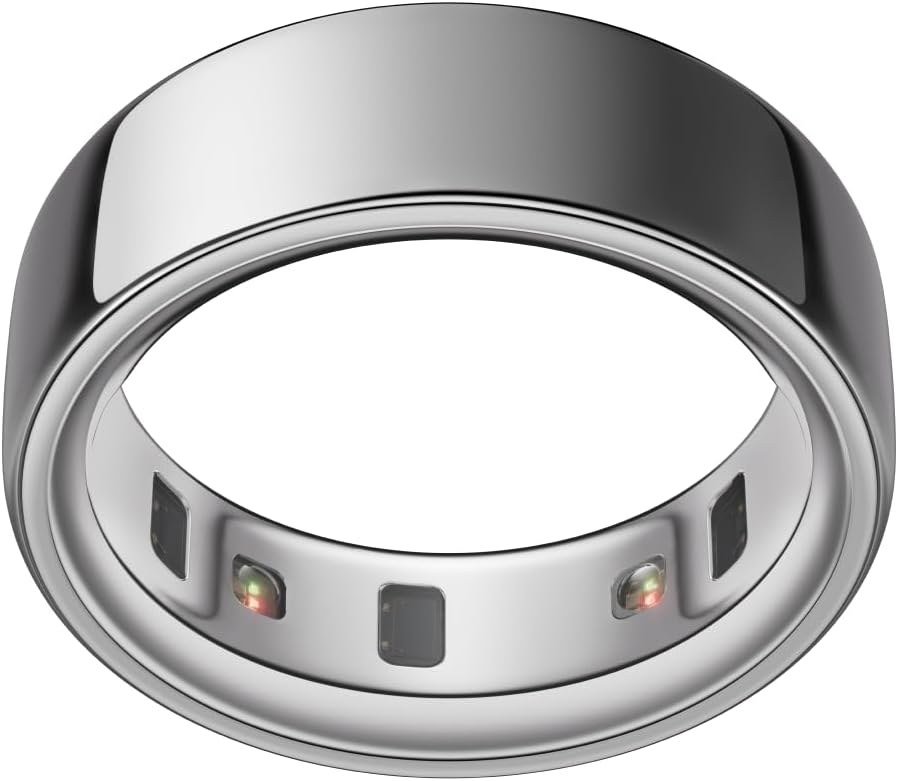
Oura Ring 4
Best for
People who want long-term sleep and recovery trends without a screen on the wrist, and who will keep a membership.
What it does well
- No screen and no buzzing: nothing on the wrist to glance at when you wake at 3 a.m.
- Five to eight days per charge (Oura), so it is worn to bed every night rather than left on a charger
Trade-offs
- Membership: $5.99 a month or $69.99 a year per Oura; without it the app is restricted
- Sleep-stage estimates from a finger are estimates — useful for trends, not a diagnosis of anything
-
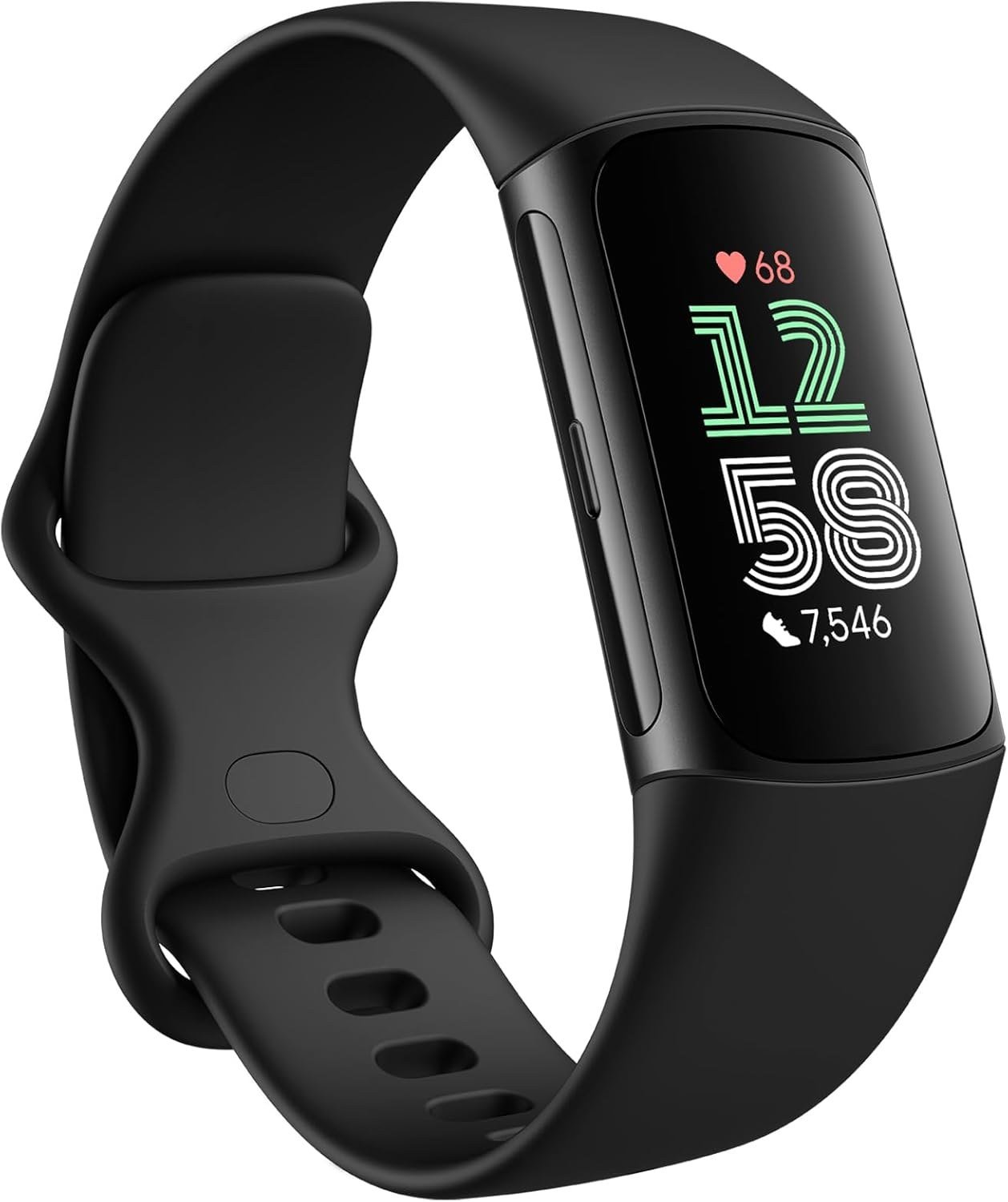
Fitbit Charge 6 — Black Case and Black Band
Best for
People who want a screen, daytime fitness features and sleep in one affordable device, without committing to a subscription.
What it does well
- Works without a paid membership: core sleep, heart rate and activity data are free; Premium adds analysis
- A screen means the time, the alarm and the numbers are on your wrist, not only in the app
Trade-offs
- A screen in bed is a temptation: a wrist raise at 3 a.m. lights up and tells you the time
- Wrist-based sleep staging is an estimate; readiness-style features live behind the Premium membership after the three-month trial
-
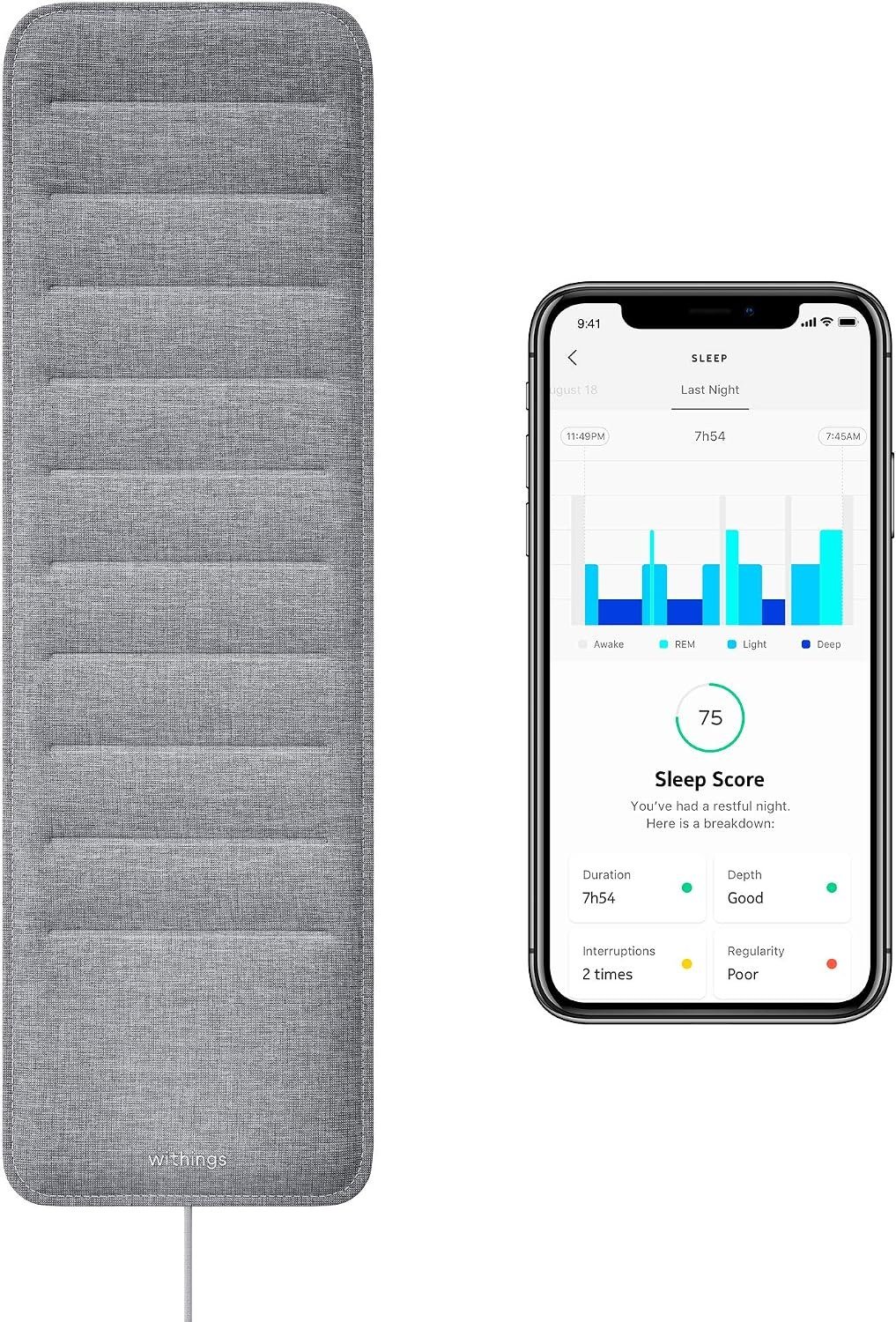
Withings Sleep Tracking Mat
Best for
People who sleep in the same bed most nights, want sleep data without wearing anything, and refuse a subscription.
What it does well
- Nothing worn, nothing to charge, nothing to forget: it tracks every night you sleep in that bed
- No subscription — the Withings app reports the data without a membership
Trade-offs
- It tracks one position in one bed: nights away, naps on the sofa and a partner rolling onto your side all confuse it
- Needs a compatible mattress — Withings excludes waterbeds and air mattresses — and a mains socket by the bed
After the caffeine-cutoff experiment; do not add a sales block before explaining half-life and individual variation.
Impact on Deep Sleep (Slow-Wave) Architecture
While the inability to fall asleep—insomnia—is the most widely recognized consequence of ill-timed caffeine consumption, the insidious impact on the actual architecture of sleep is arguably more detrimental to our long-term health and cognitive function. Sleep is not a monolithic state of unconsciousness; rather, it is a highly structured cycle comprising distinct stages, including light sleep, deep sleep (slow-wave sleep), and Rapid Eye Movement (REM) sleep. Each stage serves specific biological needs. Deep sleep, in particular, is the cornerstone of physical restoration, immune system fortification, and the clearance of metabolic waste from the brain via the glymphatic system. It is during these slow-wave stages that the brain emits synchronized, high-amplitude delta waves, and the body undergoes critical cellular repair.
Even if an individual manages to initiate sleep with residual caffeine circulating in their system—a common occurrence when the concentration has dropped below the threshold of perceived wakefulness but remains physiologically active—the quality of the ensuing sleep is significantly compromised. The persistent blockade of adenosine receptors by residual caffeine molecules directly interferes with the brain's ability to descend into the deepest stages of sleep. Clinical polysomnography studies have repeatedly demonstrated that caffeine consumed even six hours prior to bedtime can cause a dramatic reduction in total deep sleep duration. In some cases, deep sleep can be curtailed by as much as twenty to thirty percent, effectively aging the brain's sleep profile by several decades for that specific night.
This reduction in slow-wave sleep happens surreptitiously. The individual may sleep for a full eight hours and wake up believing they have achieved a full night's rest, unaware that their sleep architecture was structurally hollow. The consequences of this hidden deprivation are profound. A lack of sufficient deep sleep impairs the consolidation of new memories, blunts emotional regulation, and exacerbates systemic inflammation. Over time, chronic deprivation of slow-wave sleep—often driven by habitual, late-day caffeine consumption—can lead to persistent daytime fatigue, cognitive fog, and an increased susceptibility to metabolic disorders. To monitor the impact of your daily habits on your sleep stages, advanced wearable technology can be incredibly insightful. Devices like the [[PRODUCT:fitbit-charge-6-black-case-and-black-band]] offer detailed sleep tracking capabilities, allowing you to objectively measure the duration and quality of your deep sleep phases and correlate those metrics with your afternoon caffeine intake. Recognizing that caffeine’s half-life dictates a lingering interference with slow-wave sleep underscores the critical necessity of establishing a firm, scientifically grounded cut-off time.
Setting a Scientifically Backed Cut-Off Time
Establishing the optimal cut-off time for your last coffee is the practical culmination of understanding the molecular mechanics, metabolic half-life, genetic variations, and sleep architecture impacts of caffeine. Because of the profound individual variability discussed earlier, there is no single, universal hour that applies to every human being. Instead, setting a scientifically backed cut-off time requires a personalized calculation, working backward from your desired bedtime while accounting for your unique metabolic profile. The overarching goal is to ensure that the residual concentration of caffeine in your bloodstream at the time of sleep onset is negligible—ideally dropping below a critical threshold where it no longer exerts a meaningful blockade on your adenosine receptors.
For the average adult with a standard five-to-six-hour half-life, a conservative and highly effective heuristic is the "Ten-Hour Rule." If you intend to fall asleep at 10:00 PM, your absolute final intake of caffeine should occur no later than 12:00 PM (noon). By allowing a full ten hours between consumption and sleep, you provide your hepatic system with nearly two full half-life cycles to clear the substance. A 200-milligram dose consumed at noon will be reduced to roughly 100 milligrams by 5:00 PM, and further reduced to approximately 50 milligrams by 10:00 PM. While not entirely eliminated, this lower concentration is far less likely to severely disrupt slow-wave sleep compared to late-afternoon consumption.
However, if you identify as a slow metabolizer—perhaps you frequently experience evening anxiety, prolonged sleep latency, or your wearable device consistently reports poor deep sleep after afternoon coffee—you must adopt a far more stringent protocol. For slow metabolizers, the cut-off time may need to be pushed back even further, potentially limiting caffeine intake strictly to the early morning hours, with a hard stop at 10:00 AM. Conversely, rapid metabolizers might find that they can comfortably consume a final cup at 2:00 PM or 3:00 PM without compromising their nocturnal rest.
It is also vital to consider the total cumulative dose of caffeine consumed throughout the morning. If you consume 600 milligrams of caffeine before noon, the absolute amount remaining at bedtime will be significantly higher than if you only consumed 200 milligrams, regardless of your half-life. Therefore, moderation in total dosage must accompany the strategic timing. Setting your cut-off time requires a period of self-experimentation. Begin with the ten-hour rule, rigorously adhere to it for several weeks, and meticulously monitor your sleep quality and daytime energy levels. Adjust the timing incrementally based on empirical feedback from your own biology, forging a customized regimen that harmonizes the benefits of caffeine with the absolute necessity of restorative sleep.
Conclusion
The relationship between humanity and caffeine is characterized by profound utility and significant physiological complexity. As we have explored, the journey of caffeine through the body is not a fleeting encounter but a prolonged metabolic process dictated by the uncompromising mathematics of the half-life. The competitive blockade of adenosine receptors provides the coveted surge of wakefulness, but it also demands a careful temporal strategy to prevent the disruption of our essential sleep architecture. Understanding that the clearance of this powerful alkaloid is heavily influenced by the genetic variability of the CYP1A2 enzyme empowers us to reject generic advice and cultivate a highly personalized approach to consumption.
By acknowledging that residual caffeine can stealthily erode the quality of our deep, slow-wave sleep—even when it does not prevent us from falling asleep—we elevate our standard for sleep hygiene. Setting a scientifically backed cut-off time, whether it be ten hours prior to bedtime or a stricter morning-only regimen for slow metabolizers, is a profound act of biological respect. It is an acknowledgment that true daytime vitality is not manufactured solely in a coffee cup, but is fundamentally forged in the uninterrupted depths of nocturnal restoration. By mastering the timing of your last coffee, you harmonize the stimulant's benefits with your body's circadian rhythms, achieving a sustainable equilibrium of peak performance and profound rest.

Join the conversation
Questions and experiences are welcome. Every comment is read by a person before it appears, and your email address is never published.
No comments yet — yours would be the first.