The intersection of physical exertion and human chronobiology represents one of the most rigorously studied yet frequently misunderstood aspects of modern somnology. When examining how exercise helps sleep timing, one must immediately discard the oversimplified notion that physical fatigue universally translates to improved sleep architecture. Instead, the relationship between kinetic energy expenditure and the initiation, maintenance, and quality of sleep is deeply nuanced, governed by the precise timing, intensity, and duration of the exercise stimulus. In contemporary sleep science, exercise is classified as a potent non-photic zeitgeber—an external cue that entrains the body's internal biological clock to the 24-hour day.
While light exposure remains the primary zeitgeber modulating the suprachiasmatic nucleus, strategically timed physical activity exerts secondary but highly significant regulatory effects on circadian phase markers, including core body temperature rhythms and melatonin onset. The challenge for many individuals struggling with sleep hygiene is not a lack of physical activity, but rather a misalignment between their exercise schedule and their endogenous circadian rhythm. This comprehensive analysis will explore the complex physiological mechanisms through which exercise influences sleep. We will dissect the role of cardiovascular stress, autonomic nervous system recovery dynamics, thermogenic responses, and phase-shifting capabilities of various workout protocols. By understanding these precise mechanisms, one can leverage exercise not merely as a tool for physical fitness, but as a highly calibrated intervention to optimize sleep latency, enhance slow-wave sleep consolidation, and minimize nocturnal awakenings. Ultimately, mastering the timing of physical exertion is critical for maintaining robust circadian alignment and achieving restorative, high-quality sleep across the human lifespan.
Cardiovascular Stress and Nervous System Recovery
To comprehend how exercise timing influences sleep architecture, one must first examine the physiological cascade initiated by cardiovascular stress and the subsequent recovery of the autonomic nervous system. Physical exercise, particularly moderate-to-vigorous aerobic activity and high-intensity interval training, induces a transient but profound state of sympathetic nervous system dominance. This "fight or flight" response is characterized by the release of catecholamines—namely epinephrine and norepinephrine—alongside increased cortisol secretion. These endocrine shifts elevate heart rate, increase stroke volume, and raise blood pressure, facilitating the delivery of oxygenated blood to working muscles. However, this hyperaroused state is inherently antagonistic to the physiological conditions required for sleep onset, which demands parasympathetic dominance, characterized by a lower resting heart rate and increased heart rate variability (HRV).
When exercise is performed too close to bedtime, the delayed clearance of these excitatory neurotransmitters and hormones can severely impair sleep latency. The body requires a substantive buffer period—often ranging from 90 minutes to several hours, depending on exercise intensity—to clear circulating catecholamines and re-establish vagal tone. During this recovery phase, the parasympathetic nervous system gradually regains control, a process known as autonomic recovery. If an individual attempts to sleep before this autonomic baseline is restored, they frequently experience a prolonged sleep onset latency and a reduction in the initial cycles of slow-wave sleep (SWS). SWS, the most restorative phase of non-rapid eye movement (NREM) sleep, requires a lowered state of cortical and autonomic arousal.
Conversely, when cardiovascular exercise is strategically timed earlier in the day—such as late morning or mid-afternoon—the post-exercise autonomic rebound can actually enhance sleep quality. The acute stress of morning or afternoon exercise eventually triggers a robust compensatory increase in parasympathetic activity later in the evening. This parasympathetic rebound facilitates the necessary physiological deceleration, smoothly guiding the individual into a state of relaxation conducive to sleep. Furthermore, regular aerobic training improves overall vagal tone and enhances autonomic flexibility, meaning the body becomes more efficient at transitioning from sympathetic arousal back to parasympathetic resting states over time. Therefore, optimizing exercise timing is not just about avoiding immediate pre-sleep arousal; it is about synchronizing the post-exercise autonomic recovery curve with the desired sleep onset window to maximize nighttime restorative processes.
The Thermogenic Effect of Evening Workouts
Another critical physiological dimension linking exercise timing to sleep architecture is the thermogenic response. Human sleep is intimately tied to the circadian rhythm of core body temperature (CBT). Under normal physiological conditions, CBT peaks in the late afternoon or early evening and begins to decline approximately two hours before habitual sleep onset. This nocturnal drop in core temperature is facilitated by peripheral vasodilation, particularly in the distal extremities (hands and feet), which dissipates heat into the environment. The steepness of this temperature decline is strongly correlated with the rapid onset of sleep and the consolidation of deep, slow-wave sleep.
Physical exercise, however, is a highly thermogenic activity. Depending on the intensity and duration of the workout, core body temperature can elevate by 1 to 2 degrees Celsius. When vigorous exercise is performed in the late evening, this acute thermogenic spike directly opposes the natural pre-sleep temperature decline. The brain's thermoregulatory centers, located in the hypothalamus, perceive this elevated CBT as a signal of wakefulness and heightened alertness. Consequently, evening exercise can delay the onset of the physiological sleep-conducive state until the exercise-induced heat is adequately dissipated. This cooling process can take anywhere from 90 to 120 minutes, or longer in cases of extremely exhaustive or prolonged physical exertion.
However, the thermogenic effect of exercise can be leveraged advantageously if the timing is optimized. The "body-heating" hypothesis of sleep suggests that exercise performed 4 to 8 hours before bedtime can actually enhance subsequent sleep quality. By elevating core body temperature in the late afternoon, exercise amplifies the amplitude of the circadian temperature rhythm. Following the exercise-induced peak, the body initiates a compensatory cooling mechanism. By the time the individual goes to bed, the rate of temperature decline is steeper and more pronounced than it would have been without the exercise stimulus. This rapid cooling acts as a powerful physiological signal to the sleep regulatory systems, facilitating faster sleep onset and increasing the depth and duration of slow-wave sleep. Thus, rather than avoiding exercise altogether in the latter half of the day, individuals should aim to complete thermogenic workouts with sufficient lead time, allowing the subsequent cooling phase to align perfectly with their intended bedtime, thereby turning the thermogenic response from a potential sleep disruptor into a potent sleep initiator.
Using Exercise to Phase Shift the Circadian Rhythm
Beyond its acute effects on autonomic tone and thermoregulation, exercise acts as a potent behavioral intervention capable of inducing phase shifts in the circadian rhythm. The circadian clock, governed by the suprachiasmatic nucleus (SCN) in the hypothalamus, relies on external cues, or zeitgebers, to remain synchronized with the external environment. While photic stimulation (light exposure) is the dominant zeitgeber, non-photic stimuli like exercise play a crucial secondary role in circadian entrainment. The timing of physical activity can either phase-advance or phase-delay the circadian rhythm, making it a valuable tool for individuals dealing with circadian rhythm sleep disorders, shift work, or jet lag.
Research demonstrates that the phase-shifting effect of exercise follows a specific phase response curve (PRC), similar to the PRC for light exposure. Exercise performed in the early morning or mid-afternoon typically induces a phase advance. This means that morning physical activity can shift the biological clock earlier, prompting earlier evening melatonin onset and facilitating earlier sleep times and wake times. For individuals with delayed sleep phase syndrome (DSPS) or those struggling to wake up early, incorporating morning aerobic exercise—ideally combined with bright outdoor light exposure—provides a powerful, dual-pronged stimulus to pull the circadian clock forward.
Conversely, exercise performed in the late evening or early night can induce a phase delay. This delays the natural rise in melatonin and pushes the sleep-wake cycle later. While this is generally counterproductive for individuals working standard daylight hours, it can be strategically utilized by evening shift workers or individuals traveling westward across multiple time zones to rapidly adapt to a later schedule. The exact mechanisms mediating the exercise-induced phase shift involve complex molecular pathways within the peripheral clocks found in skeletal muscle tissues, which communicate with the central SCN pacemaker via endocrine and metabolic signals.
To effectively use exercise for circadian entrainment, consistency is paramount. Irregular exercise schedules can send conflicting signals to the circadian system, leading to circadian misalignment and fragmented sleep. Therefore, establishing a strict, consistent workout routine at a specific time of day reinforces the robustness of the circadian rhythm. By understanding the exercise phase response curve, individuals can deliberately schedule their physical training to correct circadian misalignments, optimize their biological timing, and align their physiological readiness for sleep with their desired lifestyle schedules.
Tracking Strain and Sleep Debt
In the modern era of sleep optimization and athletic performance, subjective assessments of fatigue are increasingly being replaced by objective, data-driven methodologies. To accurately determine how exercise timing and intensity affect an individual's sleep architecture, one must systematically track physiological strain and the accumulation of sleep debt. Cardiovascular strain, measured through metrics such as resting heart rate (RHR), heart rate variability (HRV), and total energy expenditure, provides a quantifiable representation of the physiological load imposed by a workout. When this strain data is correlated with overnight sleep metrics—such as time spent in REM, slow-wave sleep, and total sleep duration—patterns emerge that can guide the optimization of exercise timing.
Advanced wearable technology has revolutionized this tracking process. By continuously monitoring biometric data, individuals can identify their unique physiological thresholds. For instance, an athlete might discover that high-strain anaerobic workouts performed after 6:00 PM consistently result in a 15% reduction in their overnight HRV and an increase in sleep latency. Conversely, they may find that low-strain active recovery sessions in the evening have negligible or even positive effects on their sleep scores. To effectively monitor these complex variables and gain actionable insights into the interplay between daily exertion and nocturnal recovery, a comprehensive tracking solution is indispensable, such as utilizing a [[PRODUCT:whoop-life-12-month-membership]]. This type of continuous biometric monitoring allows for the precise calculation of daily strain and the subsequent adjustment of sleep needs.
Sleep debt, the cumulative deficit between the sleep an individual physiologically requires and the sleep they actually obtain, is intimately linked to exercise capacity and recovery. When sleep debt accumulates, the body's ability to recover from cardiovascular and muscular strain is severely compromised. High sleep debt increases cortisol levels, impairs glucose metabolism, and blunts the release of human growth hormone during NREM sleep, all of which hinder physical recovery and adaptation to exercise. Furthermore, intense exercise performed in a state of high sleep debt places excessive stress on the autonomic nervous system, potentially leading to overtraining syndrome and further exacerbating insomnia. Therefore, tracking strain and sleep debt must be viewed as a bidirectional relationship. By objectively quantifying these metrics, individuals can modulate their exercise intensity and timing based on their current recovery status, ensuring that physical training acts as a stimulus for adaptation rather than a catalyst for sleep disruption and physiological burnout.
The Ideal Workout Schedule for Insomniacs
Designing an optimal exercise protocol for individuals suffering from chronic insomnia requires a delicate balance between providing sufficient physiological fatigue to promote sleep drive and avoiding hyperarousal that could exacerbate hypervigilance. The ideal workout schedule for insomniacs must prioritize circadian alignment, autonomic nervous system regulation, and the minimization of evening stress. First and foremost, morning exercise emerges as the most universally beneficial intervention for insomnia management. Engaging in 30 to 45 minutes of moderate aerobic activity—such as brisk walking, cycling, or swimming—within the first two hours of waking provides a robust circadian anchor. This morning light and exercise combination effectively suppresses residual melatonin, halts sleep inertia, and phase-advances the circadian clock, reinforcing a strong drive for sleep later in the evening.
If morning exercise is not feasible, mid-afternoon workouts between 2:00 PM and 5:00 PM serve as an excellent secondary option. This timing capitalizes on the body's natural peak in core temperature and cardiovascular efficiency. Exercise during this window provides the necessary physical exhaustion while allowing ample time—usually 5 to 8 hours—for core body temperature to decline and the autonomic nervous system to return to a parasympathetic-dominant baseline before bedtime. High-intensity interval training (HIIT) and heavy resistance training should be strictly confined to these morning or mid-afternoon windows. For the insomniac brain, which is often primed for hyperarousal, the massive catecholamine release associated with HIIT can be particularly disruptive if performed late in the day.
Evening physical activity should not be entirely avoided, but its intensity and modality must be carefully controlled. For insomniacs, the hours between 7:00 PM and bedtime should be reserved exclusively for low-intensity, restorative modalities that promote parasympathetic activation. Practices such as yin yoga, slow-paced stretching, or light walking can actually reduce sleep latency by alleviating muscular tension and psychological stress accumulated throughout the day. These activities do not significantly elevate core body temperature or heart rate; instead, they facilitate the transition into the relaxed physiological state requisite for sleep onset. Ultimately, the ideal schedule for an insomniac involves front-loading cardiovascular and muscular strain early in the day to build sleep pressure, followed by a gradual tapering of physical intensity as the evening progresses, ensuring that the body and mind are fully prepared for restorative rest.
Exercise-timing tracking card
Compare several weeks of activity and sleep trends to find your best timing.
-
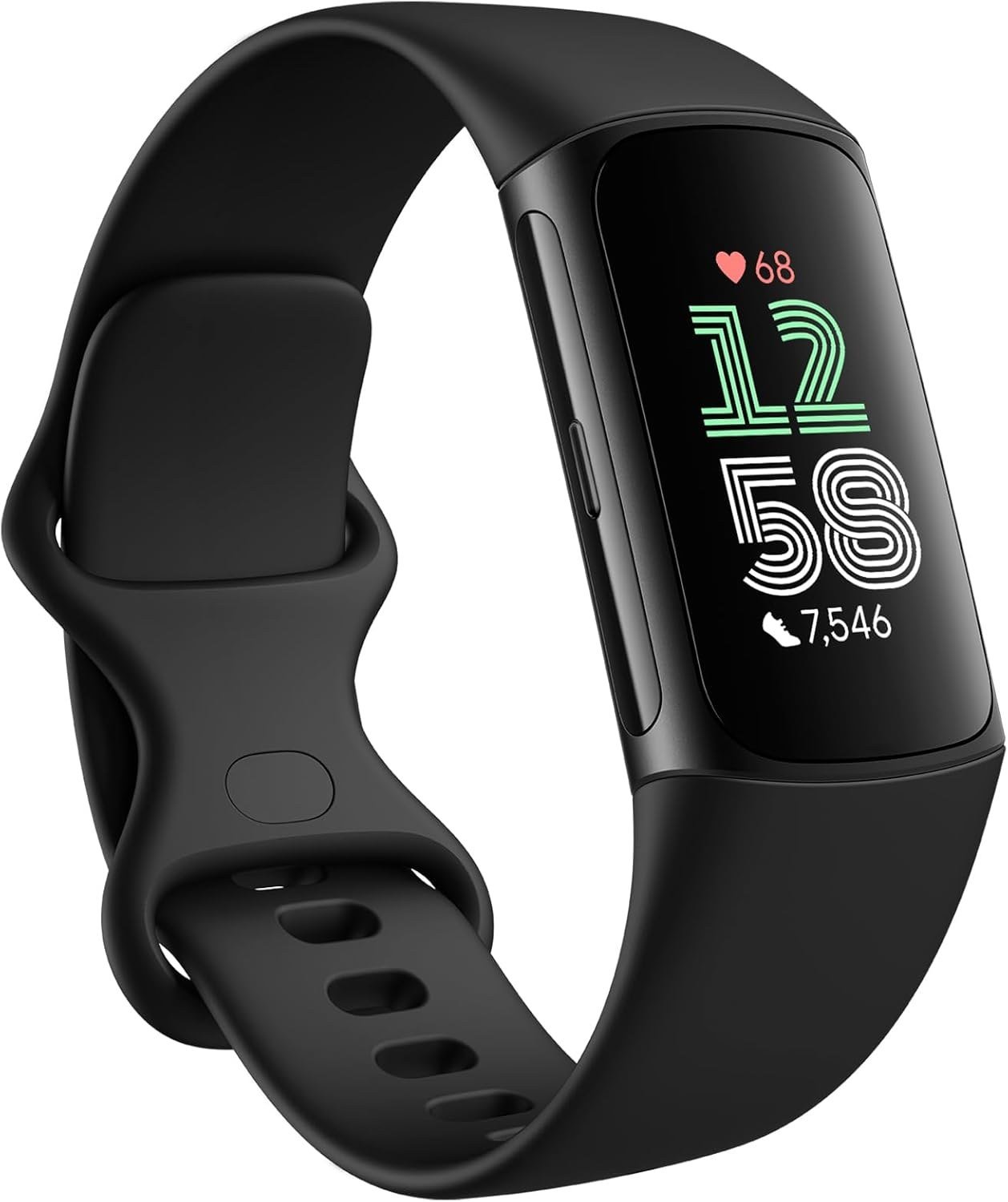
Fitbit Charge 6 — Black Case and Black Band
Best for
People who want a screen, daytime fitness features and sleep in one affordable device, without committing to a subscription.
What it does well
- Works without a paid membership: core sleep, heart rate and activity data are free; Premium adds analysis
- A screen means the time, the alarm and the numbers are on your wrist, not only in the app
Trade-offs
- A screen in bed is a temptation: a wrist raise at 3 a.m. lights up and tells you the time
- Wrist-based sleep staging is an estimate; readiness-style features live behind the Premium membership after the three-month trial
-
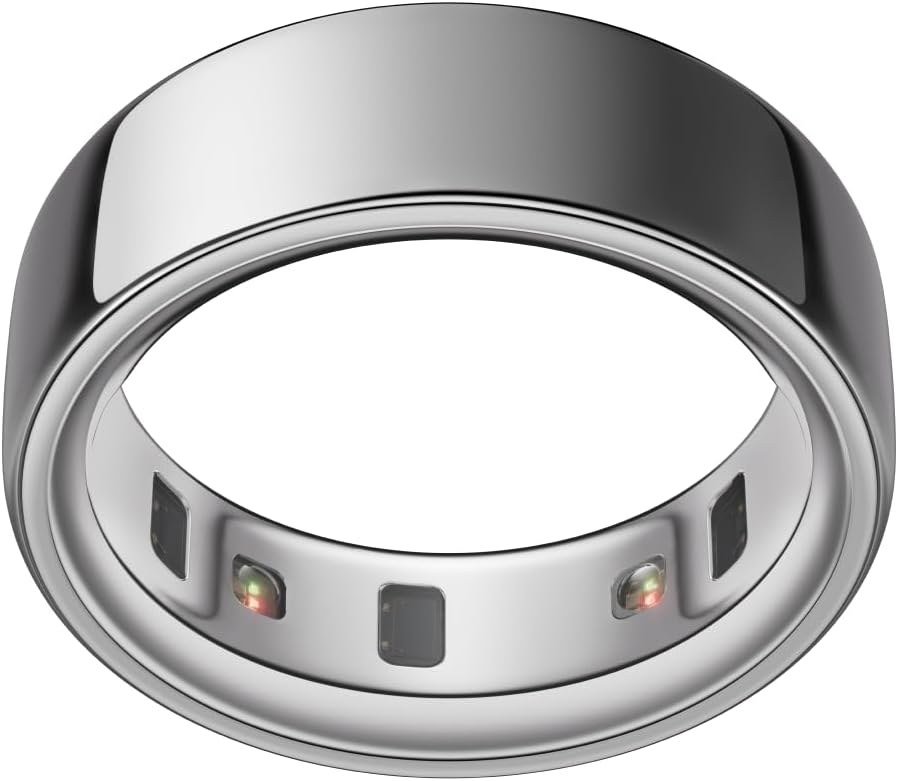
Oura Ring 4
Best for
People who want long-term sleep and recovery trends without a screen on the wrist, and who will keep a membership.
What it does well
- No screen and no buzzing: nothing on the wrist to glance at when you wake at 3 a.m.
- Five to eight days per charge (Oura), so it is worn to bed every night rather than left on a charger
Trade-offs
- Membership: $5.99 a month or $69.99 a year per Oura; without it the app is restricted
- Sleep-stage estimates from a finger are estimates — useful for trends, not a diagnosis of anything
-
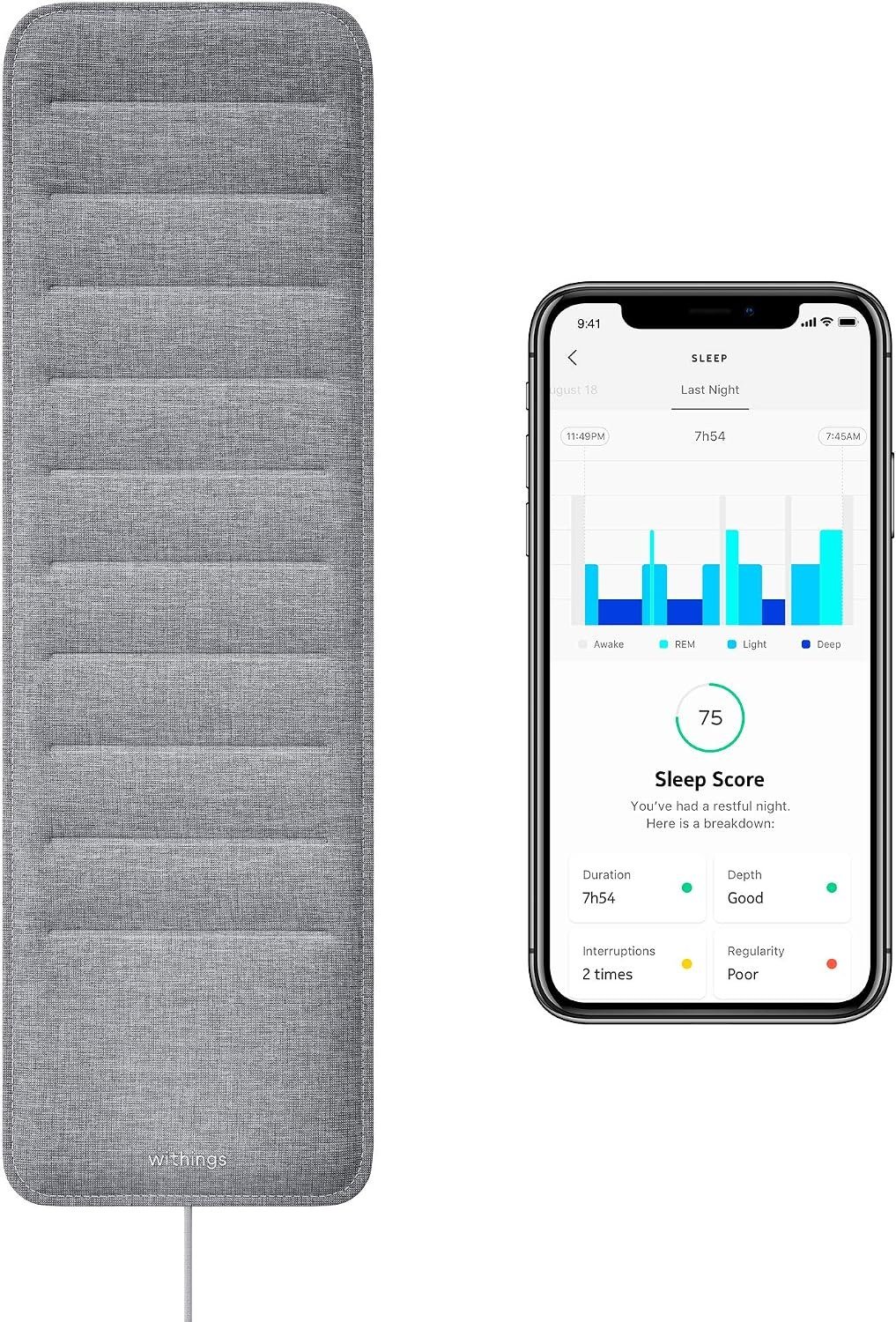
Withings Sleep Tracking Mat
Best for
People who sleep in the same bed most nights, want sleep data without wearing anything, and refuse a subscription.
What it does well
- Nothing worn, nothing to charge, nothing to forget: it tracks every night you sleep in that bed
- No subscription — the Withings app reports the data without a membership
Trade-offs
- It tracks one position in one bed: nights away, naps on the sofa and a partner rolling onto your side all confuse it
- Needs a compatible mattress — Withings excludes waterbeds and air mattresses — and a mains socket by the bed
After comparing morning, afternoon, and evening exercise; link to the tracker comparison near the conclusion.
Conclusion
The relationship between physical exercise and sleep architecture is not merely correlative; it is a complex, bidirectional physiological mechanism deeply rooted in our chronobiology. As we have explored, the timing of physical exertion profoundly impacts cardiovascular stress recovery, thermogenic regulation, and circadian phase alignment. Treating exercise solely as a daytime endeavor to burn calories ignores its potent role as a non-photic zeitgeber capable of entraining our biological clocks.
For those seeking to optimize their sleep quality and duration, a meticulous approach to exercise timing is essential. Morning and mid-afternoon workouts leverage the body's natural autonomic and thermoregulatory rhythms, building robust sleep pressure while allowing sufficient time for physiological deceleration before bedtime. Conversely, poorly timed evening exertion can disrupt the delicate onset of parasympathetic dominance and nocturnal cooling, severely impairing sleep latency and slow-wave sleep consolidation. By continuously monitoring strain, managing sleep debt, and adhering to strategically timed workout protocols, individuals can transform exercise from a potential sleep disruptor into one of the most powerful natural interventions for achieving deep, restorative sleep. Mastering the timing of physical activity is, therefore, a foundational pillar of comprehensive sleep hygiene and long-term physiological well-being.


Join the conversation
Questions and experiences are welcome. Every comment is read by a person before it appears, and your email address is never published.
No comments yet — yours would be the first.