
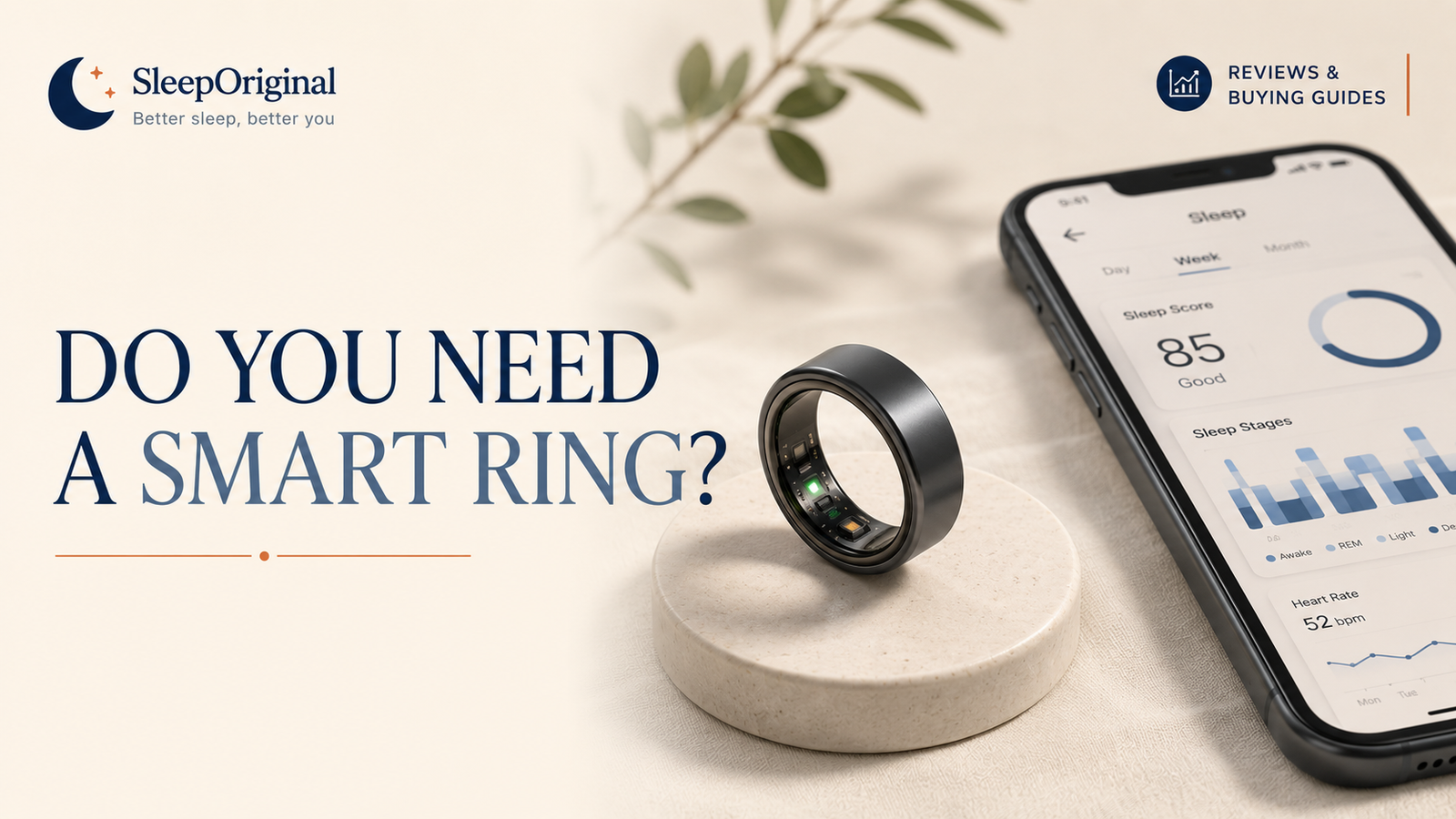
The science of sleep tracking has advanced exponentially in recent years, shifting from cumbersome, specialized laboratory equipment to sleek, unobtrusive devices that fit effortlessly onto our fingers. This evolution represents a monumental leap in personal health monitoring, offering unprecedented insights into our nocturnal physiological states. Sleep tracking smart rings have emerged as the pinnacle of this technological revolution, combining miniaturized sensors with sophisticated algorithms to decode the complex architecture of our rest. Unlike traditional wrist-worn wearables, smart rings offer a unique vantage point for gathering biometric data, leveraging the high concentration of blood vessels in the fingers to achieve remarkable accuracy. As we look at the intricate world of these microscopic sleep laboratories, it becomes crucial to understand the underlying mechanisms that enable them to capture our most vulnerable hours. We will explore the sophisticated technology behind photoplethysmography (PPG), contrast the efficacy of wrist actigraphy with finger-based sensing, and demystify the critical metrics of heart rate variability (HRV), blood oxygen saturation, and body temperature fluctuations. Furthermore, we must address the psychological implications of hyper-quantified sleep, specifically the phenomenon known as orthosomnia, where the pursuit of perfect sleep becomes a detriment to actual rest. Finally, we will examine the practical considerations of battery life and ergonomic fit, essential for sustained, continuous monitoring. The integration of devices like the [[PRODUCT:oura-ring-4]] into daily routines exemplifies the seamless merging of lifestyle and clinical-grade data collection. This comprehensive guide serves as an authoritative exploration of sleep tracking smart rings, dissecting their technological foundations, physiological accuracy, and practical utility in the modern quest for optimal sleep hygiene and overall well-being. By understanding the profound capabilities and potential pitfalls of these devices, users can harness their power to genuinely enhance their restorative processes. Sleep is not merely a passive state of rest; it is an active, highly regulated biological need essential for cognitive function, emotional regulation, immune system maintenance, and cellular repair. The advent of the smart ring democratizes access to the kind of high-resolution biometric data that was once exclusively the domain of polysomnography clinics. This democratization empowers individuals to take an active role in diagnosing environmental and lifestyle factors that disrupt their sleep architecture, facilitating a proactive approach to holistic health management that transcends simple symptom tracking.
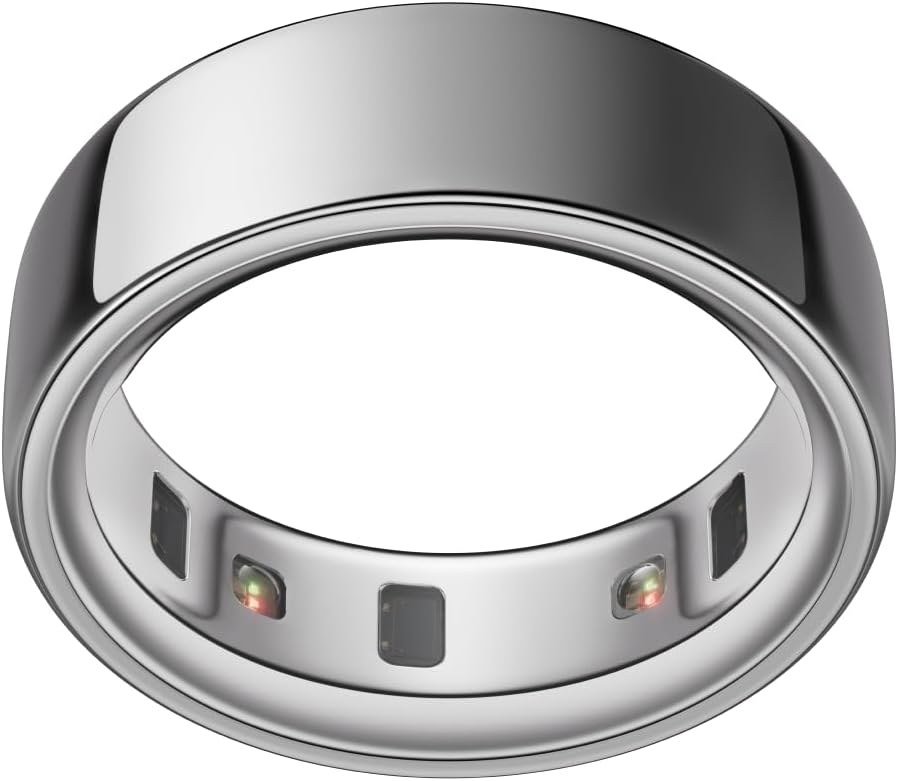
Oura Ring 4
The Oura Ring 4 is a titanium smart ring with red, infrared and green optical sensors, a temperature sensor and an accelerometer, running five to eight days per charge. It suits people who want sleep, readiness and temperature trends without wearing a screen to bed. The catch is a membership — roughly six dollars a month, per Oura — without which the app is limited, and the Amazon link resolves to one specific size and colour.
The Accuracy of Photoplethysmography (PPG) Sensors
At the core of almost every modern sleep tracking smart ring lies the Photoplethysmography (PPG) sensor, a marvel of optical engineering that serves as the primary instrument for data acquisition. PPG technology operates on a remarkably elegant principle: illuminating the skin with light-emitting diodes (LEDs) and measuring the variations in light absorption or reflection caused by the pulsatile flow of blood in the microvascular bed of tissue. As the heart pumps blood, the volume of blood in the capillaries expands and contracts with each cardiac cycle, altering the amount of light that returns to the photodetector. By continuously analyzing these subtle optical changes, PPG sensors can derive not only the heart rate but also the nuanced beat-to-beat variations essential for assessing cardiovascular health and autonomic nervous system tone. The accuracy of these sensors is a direct function of the signal-to-noise ratio, which must be carefully managed to extract meaningful physiological data from the inherent chaos of biological signals and environmental interference.
The accuracy of PPG sensors in smart rings is significantly enhanced by their anatomical placement. The fingers possess a dense network of arterioles and capillaries, making them an ideal site for capturing strong, high-fidelity plethysmographic signals. Furthermore, the skin on the palmar side of the fingers is relatively thin and less prone to variations in pigmentation and hair density, factors that can occasionally confound optical sensors on the wrist. This physiological advantage allows smart rings to capture cleaner data streams with higher signal-to-noise ratios, particularly during periods of minimal movement, such as sleep. The sophisticated algorithms powering these devices filter out motion artifacts and environmental noise, refining the raw optical data into precise metrics of cardiac activity. Advanced signal processing techniques, including adaptive filtering and machine learning heuristics, are employed to distinguish genuine cardiovascular pulses from the noise generated by tossing and turning in bed.
Moreover, the utilization of different light wavelengths in modern PPG arrays adds another layer of depth to the physiological data gathered. While green light is standard for continuous heart rate monitoring due to its strong absorption by hemoglobin, red and infrared light penetrate deeper into the tissue, enabling the measurement of peripheral capillary oxygen saturation (SpO2). The ability to accurately track these multifaceted biometrics through a miniaturized optical array on a smart ring is a sign of the rapid advancements in biomedical engineering. The precision of PPG technology is what allows devices to categorize sleep stages—differentiating between light, deep (slow-wave), and Rapid Eye Movement (REM) sleep—by analyzing the intricate interplay between heart rate fluctuations, respiratory sinus arrhythmia, and autonomic arousal levels, painting a comprehensive picture of our nightly restorative processes. The spectral analysis of the PPG waveform provides a rich dataset that, when fed into complex neural networks, can yield sleep staging accuracies that are increasingly rivaling those of traditional electroencephalogram (EEG) based systems, fundamentally altering the landscape of ambulatory sleep monitoring.
Wrist Actigraphy vs. Finger-Based Sensors
The debate between wrist-worn actigraphy and finger-based sensor technologies represents a critical inflection point in the evolution of consumer sleep tracking. For years, wristbands and smartwatches dominated the market, utilizing accelerometers to detect motion—a technique known as actigraphy. Traditional actigraphy infers sleep and wake states primarily based on movement patterns; prolonged periods of stillness indicate sleep, while movement suggests wakefulness or lighter sleep stages. However, this method has inherent limitations, particularly in distinguishing between quiet wakefulness and actual sleep, often leading to overestimations of total sleep time and inaccurate sleep staging. The fundamental flaw of actigraphy is its reliance on a proxy metric—movement—rather than direct physiological indicators of sleep state, such as autonomic nervous system activity or cardiovascular dynamics.
The transition to finger-based sensors, primarily in the form of smart rings, addresses many of the anatomical and physiological shortcomings of wrist-worn devices. The wrist is highly mobile and prone to complex, multidirectional movements that can introduce significant noise into accelerometer data. In contrast, while the fingers move, the secure, snug fit of a ring minimizes independent movement between the sensor and the skin, reducing motion artifacts. More importantly, the primary advantage of finger-based sensors lies in the superior acquisition of cardiovascular data. As previously discussed, the dense vascularization of the fingers provides a stronger, clearer signal for PPG sensors compared to the wrist, where the radial and ulnar arteries are situated deeper beneath thicker skin, muscle, and bone structures. This proximity to high-volume microvascular beds ensures that the optical sensors are continuously bathed in a strong pulsatile signal, dramatically reducing the algorithmic heavy lifting required to separate the cardiac signal from the background noise of regular nighttime motility.
This superior signal quality is critical for advanced sleep staging. While wrist devices have increasingly incorporated PPG sensors to supplement actigraphy, the fidelity of the data often trails behind that of smart rings. The accurate determination of sleep stages, particularly the differentiation between REM and deep sleep, relies heavily on detecting minute shifts in Heart Rate Variability (HRV) and respiratory rates. The high-resolution cardiovascular data obtained from the finger allows the algorithms in smart rings to more accurately map the complex physiological changes associated with different sleep architectures. Furthermore, the form factor of a ring is inherently more conducive to nocturnal wear. Many individuals find bulky smartwatches uncomfortable to wear during sleep, leading to inconsistent tracking or disrupted rest. The minimalist, lightweight design of a smart ring ensures that the device remains imperceptible, facilitating uninterrupted sleep and more reliable, continuous longitudinal data collection, which is paramount for observing meaningful trends in sleep health. The ergonomic superiority of the ring form factor directly translates into higher compliance rates, ensuring that the datasets generated are robust, continuous, and highly representative of the user's true baseline physiology.
Ring-versus-band-versus-mat table
Choose the least intrusive tracker whose trends you will actually use.
| Option | Best for | Consider something else if | Details |
|---|---|---|---|
| Oura Ring 4 | People who want long-term sleep and recovery trends without a screen on the wrist, and who will keep a membership. | You dislike subscriptions, you want a device you can read directly, or you are hoping a tracker will diagnose a sleep problem. | |
| Fitbit Charge 6 — Black Case and Black Band | People who want a screen, daytime fitness features and sleep in one affordable device, without committing to a subscription. | You want nothing on the wrist at night, you would check the screen when you wake, or week-long battery matters more than a display. | |
| Withings Sleep Tracking Mat | People who sleep in the same bed most nights, want sleep data without wearing anything, and refuse a subscription. | You travel often, share the sensor side of a bed with a restless partner, sleep on an air mattress, or want daytime data. | |
| Hatch Restore 3 — Putty | People building a phone-free wind-down and wake routine who want light, sound and alarm scheduled as one thing. | You want zero app involvement, you dislike opt-out trials, or you want a wake light with published brightness. |
After explaining what consumer trackers can and cannot measure; follow with cards for each form factor.
Decoding HRV, Blood Oxygen, and Temperature Trends
The true power of a sleep tracking smart ring lies not just in measuring duration, but in its ability to decode complex physiological metrics like Heart Rate Variability (HRV), blood oxygen saturation (SpO2), and subtle shifts in basal body temperature. HRV, the measure of the time variation between consecutive heartbeats, is widely regarded as one of the most robust non-invasive indicators of autonomic nervous system (ANS) balance. During healthy, restorative sleep, parasympathetic (rest and digest) activity should dominate, leading to higher HRV. Conversely, a suppressed HRV during sleep can indicate physiological stress, overtraining, illness, or alcohol consumption, signaling that the body is trapped in a state of sympathetic (fight or flight) dominance. By analyzing HRV trends over time, users can gain profound insights into their physical recovery and readiness for the day ahead. The ability to monitor this subtle interplay between the sympathetic and parasympathetic branches of the nervous system provides a quantitative window into the body's allostatic load, allowing for highly individualized recovery protocols and lifestyle interventions.
Blood oxygen saturation, measured via red and infrared PPG sensors, adds another critical dimension to sleep analysis. Continuous SpO2 monitoring during sleep can help identify nocturnal hypoxemia—drops in blood oxygen levels—which is a key indicator of sleep-disordered breathing conditions such as sleep apnea. While smart rings are not diagnostic medical devices, significant or frequent dips in SpO2, especially when correlated with restlessness or elevated heart rates, can serve as a vital early warning system, prompting users to seek professional medical evaluation. The ability to track this metric continuously and unobtrusively in a home setting provides a significant advantage over episodic clinical assessments. The temporal correlation of oxygen desaturation events with specific sleep stages and autonomic arousal markers allows for a highly nuanced understanding of how respiratory mechanics impact cardiovascular efficiency and overall sleep architecture during the night.
Furthermore, the integration of highly sensitive thermistors in smart rings allows for the continuous monitoring of distal skin temperature. Our core body temperature naturally drops in preparation for sleep and reaches its nadir during the deepest stages of rest. Smart rings track the subtle deviations from a user's baseline temperature, providing insights into the circadian rhythm's integrity. Temperature trends are also remarkably useful for monitoring systemic inflammation, detecting the onset of illness before other symptoms manifest, and, for individuals with menstrual cycles, tracking ovulation and hormonal fluctuations with impressive accuracy. The synthesis of HRV, SpO2, and temperature data transforms the smart ring from a simple sleep tracker into a comprehensive systemic health monitor, offering a holistic view of the body's nocturnal restorative capacity and overall resilience. By triangulating these three physiological pillars, advanced algorithms can predict with startling accuracy an individual's susceptibility to fatigue, cognitive decline, and metabolic dysregulation, shifting the paradigm from reactive healthcare to proactive physiological management.
The Psychological Pitfall: Orthosomnia
As the fidelity and accessibility of sleep data have proliferated, a paradoxical psychological phenomenon has emerged: orthosomnia. Coined by sleep researchers, orthosomnia describes an unhealthy obsession with achieving "perfect" sleep metrics, driven by the hyper-quantification of rest through wearable technology. While smart rings are designed to provide actionable insights to improve sleep hygiene, for some individuals, the constant feedback loop becomes a source of profound anxiety. The pressure to achieve high sleep scores, optimize HRV, and maximize deep sleep stages can trigger an anticipatory stress response at bedtime, ironically resulting in the very insomnia the technology was intended to help cure. The user becomes trapped in a vicious cycle where the anxiety about poor sleep metrics actively suppresses the parasympathetic nervous system, ensuring that the subsequent night's sleep will be fractured and unrefreshing, thereby reinforcing the initial anxiety.
The psychological mechanism of orthosomnia is rooted in a fundamental misunderstanding of sleep architecture and the limitations of consumer-grade wearables. Users often fixate on achieving arbitrary targets—such as a specific percentage of REM sleep—without recognizing that sleep is a highly individualized and dynamically self-regulating process. Normal, healthy sleep naturally exhibits night-to-night variability based on a multitude of physiological and environmental factors. When a user wakes up, feels rested, but receives a "poor" sleep score from their smart ring, the cognitive dissonance can lead to nocebo effects, where the individual suddenly feels fatigued simply because the device suggested they should. This over-reliance on external data can erode a person's innate ability to subjectively assess their own well-restedness. The externalization of interoceptive awareness means that the user begins to trust the algorithm more than their own biological signals, severing the natural feedback loop that humans have relied upon for millennia to regulate their sleep-wake cycles.
Mitigating the risks of orthosomnia requires a paradigm shift in how we interact with biometric data. The goal of using a sleep tracking smart ring should be to identify long-term trends and correlations, rather than agonizing over daily fluctuations. It is crucial to view the data as informative rather than prescriptive. Users must cultivate a mindful approach to sleep technology, recognizing that the ring is a tool for self-discovery, not a strict adjudicator of health. Clinicians increasingly recommend "device holidays" for patients exhibiting signs of orthosomnia, encouraging them to disconnect from the data and re-establish a healthy, intuitive relationship with their sleep. Education regarding the normal variability of sleep stages and the inherent margins of error in PPG-based staging algorithms is essential to empower users to utilize these powerful devices without falling victim to the psychological pitfalls of hyper-optimization. By fostering a healthy detachment from daily scores and focusing instead on behavioral interventions like consistent sleep schedules and optimal sleep environments, users can leverage smart ring technology to enhance their lives rather than being dominated by the data it produces.
Maximizing Battery and Fit for Continuous Tracking
For a sleep tracking smart ring to fulfill its potential as a longitudinal health monitor, two practical elements are paramount: battery life and ergonomic fit. The efficacy of these devices hinges entirely on the user's willingness and ability to wear them consistently, particularly overnight. Battery life represents a significant engineering challenge, given the extreme miniaturization of the form factor. The device must power multiple optical sensors, thermistors, accelerometers, microprocessors, and Bluetooth radios, all within a chassis mere millimeters thick. Advances in low-power processing architectures and highly efficient sensor sampling algorithms have enabled modern smart rings to achieve battery lives ranging from four to seven days. Maximizing this longevity requires intelligent power management, such as reducing the sampling rate during periods of inactivity or when the device detects the user is awake, conserving energy for the intensive, high-frequency data collection required during sleep. The intricate balancing act between the aggressive sampling rates necessary for accurate HRV calculation and the strict energy constraints of a micro-battery dictates the fundamental design philosophy of the entire system architecture.
The fit of a smart ring is equally critical, impacting both comfort and data accuracy. Unlike a watch strap that can be easily adjusted on the fly, a ring must be precisely sized to the user's finger. A ring that is too loose will result in poor sensor contact with the skin, leading to signal loss, motion artifacts, and highly inaccurate readings. Conversely, a ring that is too tight can restrict blood flow, causing discomfort and similarly corrupting the plethysmographic signal. Because finger circumference naturally fluctuates throughout the day due to temperature changes, hydration levels, and physical activity, selecting the optimal size requires careful consideration, often utilizing specialized sizing kits prior to purchase. The topological design of the internal ring surface is an area of intense research, with manufacturers exploring advanced geometries that maintain consistent sensor contact while allowing for the natural expansion and contraction of the finger tissue without causing ischemic pressure points.
Furthermore, the materials used in the construction of the ring dictate its comfort and durability. Medical-grade titanium or high-quality polymers are standard, ensuring the device is hypoallergenic, lightweight, and capable of withstanding the rigors of daily wear, including exposure to water and chemicals. The internal molding must be completely smooth to prevent irritation during prolonged use. The seamless integration of the device into the user's daily life is the ultimate goal. When a smart ring achieves the perfect balance of unobtrusive comfort and extended battery life, it ceases to be a conscious piece of technology and becomes an invisible extension of the self, quietly and continuously gathering the data necessary to understand restorative sleep without demanding excessive attention or maintenance. The evolution of smart ring materials science is continually pushing the boundaries of what is possible, with emerging biocompatible resins and flexible electronics promising to further blur the line between the wearable device and the biological organism it is monitoring, paving the way for even more seamless and continuous physiological data acquisition.
Conclusion
The advent of sleep tracking smart rings marks a transformative era in personalized health monitoring. By harnessing the precision of PPG sensors on the highly vascularized surface of the finger, these devices offer a profound advantage over traditional wrist-based actigraphy, delivering granular insights into our nocturnal physiology. Through the continuous analysis of HRV, blood oxygen saturation, and body temperature, users are empowered to decode the complex language of their bodies' recovery processes. However, this influx of biometric data demands a measured, psychologically healthy approach to avoid the trap of orthosomnia. The ultimate value of these devices, such as the [[PRODUCT:oura-ring-4]], lies in their ability to fit into our lives through optimized battery efficiency and impeccable ergonomic design. As we continue to refine these microscopic laboratories, smart rings will undoubtedly remain at the forefront of the quest for optimal sleep hygiene, offering a powerful, unobtrusive tool for achieving holistic well-being. By understanding the technological foundations and potential pitfalls outlined in this guide, users are well-equipped to navigate the rapidly evolving landscape of wearable sleep technology and harness its true potential to enhance their restorative sleep and elevate their daily performance.
Join the conversation
Questions and experiences are welcome. Every comment is read by a person before it appears, and your email address is never published.
No comments yet — yours would be the first.