
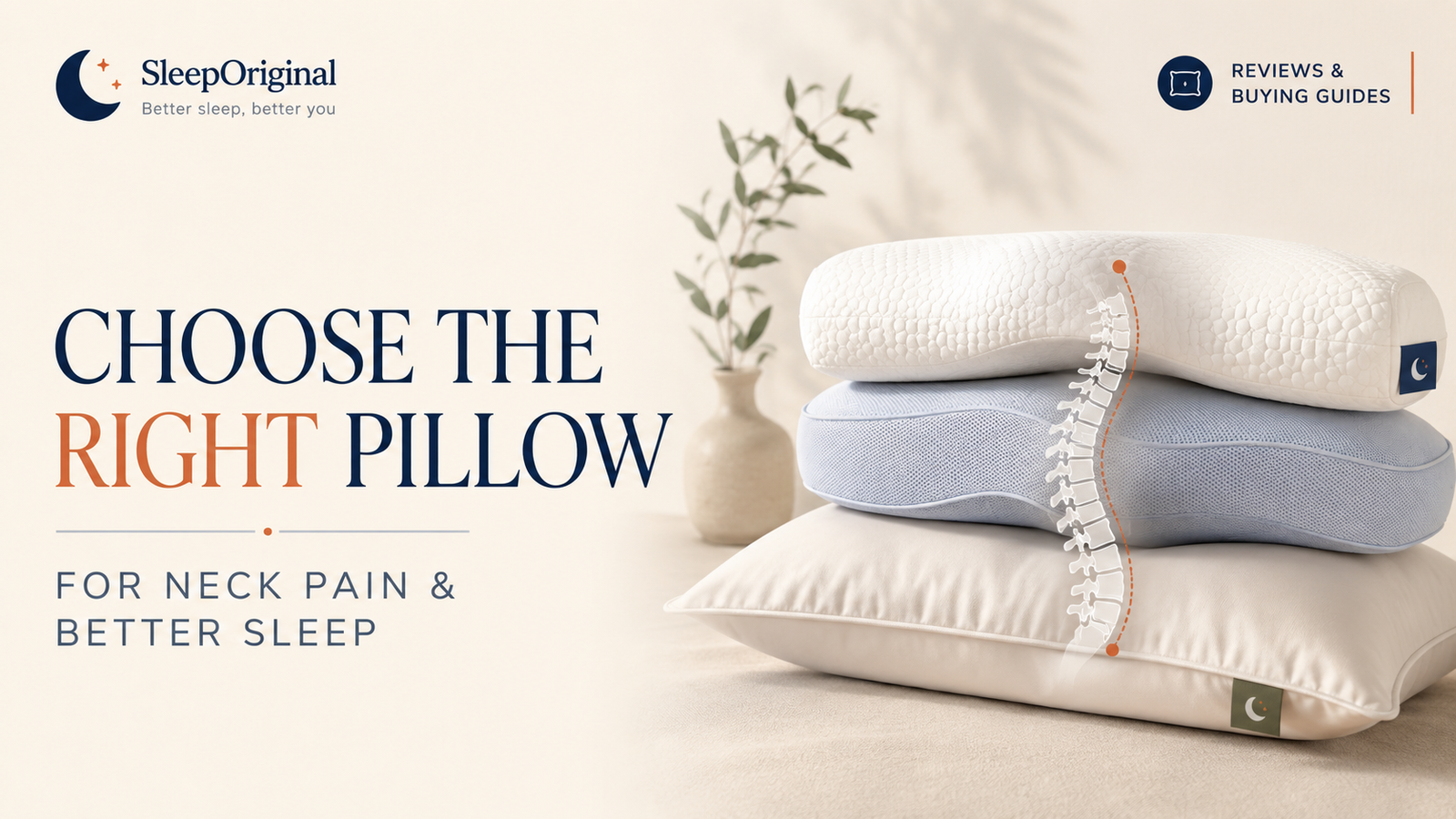
Waking up with a stiff neck or a lingering ache at the base of your skull is an experience far too common in our modern, sedentary society. Often, we attribute this discomfort to poor posture during our waking hours, hours spent hunched over keyboards or peering down at mobile devices. While daytime ergonomics are undeniably crucial, the foundation of spinal health is laid—quite literally—during the hours we spend asleep. The human head weighs, on average, between ten and eleven pounds. Supporting this weight while maintaining the delicate, natural curvature of the cervical spine is the primary function of a pillow. However, when we choose the wrong pillow, one that is either too lofty, too flat, or lacking in structural integrity, we inadvertently subject our neck muscles, ligaments, and cervical vertebrae to hours of sustained mechanical stress. This sustained stress translates into muscular tension, nerve impingement, and the ubiquitous "stiff neck" that can derail our entire day. Choosing the right pillow for neck pain is not merely a matter of comfort; it is a critical medical necessity for anyone seeking to optimize their restorative sleep and prevent chronic musculoskeletal deterioration. The quest for the ideal cervical support system requires a nuanced understanding of spinal biomechanics, an appreciation for the varying demands of different sleep positions, and a careful evaluation of modern sleep technologies. This comprehensive guide will look closely at the science of sleep ergonomics, exploring how specific materials and designs interact with human anatomy to alleviate pressure and promote optimal alignment. We will examine the physiological consequences of misalignment, the unique benefits of adjustable shredded memory foam and hyper-elastic polymers, the distinct loft requirements for back and side sleepers, and the essential protocols for testing and adapting to a new ergonomic pillow. By approaching this decision with scientific rigor, you can improve your sleep environment from a source of strain into a sanctuary of healing and regeneration.
Cervical Spine Alignment and Muscular Tension
To understand why the right pillow is paramount in the battle against neck pain, one must first understand the biomechanical complexity of the cervical spine. The human neck comprises seven delicate vertebrae, designated C1 through C7. Unlike the relatively rigid thoracic spine, the cervical spine is designed for exceptional mobility, allowing for a wide range of flexion, extension, and rotation. This mobility, however, comes at a cost: vulnerability. The cervical vertebrae form a natural lordotic curve—a gentle, forward-facing C-shape. Maintaining this lordosis is essential for absorbing shock, distributing the weight of the head, and protecting the spinal cord and exiting nerve roots. When this natural curvature is compromised during sleep by an inadequate pillow, a cascade of negative physiological events is triggered. If a pillow is too high (excessive loft), it forces the neck into sustained flexion (for back sleepers) or lateral flexion (for side sleepers). This unnatural bending stretches the posterior cervical musculature, including the trapezius, splenius capitis, and levator scapulae, beyond their resting length. Over the course of a night, this sustained stretch leads to micro-tearing, inflammation, and localized ischemia (reduced blood flow), manifesting as profound muscular tension and stiffness upon waking. Conversely, if a pillow is too flat, the neck falls into extension, compressing the facet joints at the back of the vertebrae and potentially narrowing the neural foramina—the small openings through which spinal nerves exit. This compression can lead to nerve impingement, resulting in radiculopathy—pain, numbness, or tingling radiating down the arm. Furthermore, improper alignment forces the intrinsic muscles of the neck to remain active throughout the night in a desperate attempt to stabilize the spine. This continuous, low-level muscle activation prevents the deep, restorative stages of sleep, leaving the individual fatigued and prone to chronic pain cycles. An ergonomically sound pillow acts as a passive stabilization system. By precisely filling the gap between the head, neck, and mattress, it supports the cervical lordosis without exerting undue upward pressure or allowing excessive downward sagging. This optimal alignment allows the paraspinal muscles to completely relax, facilitates unimpeded blood flow to tissues in need of repair, and ensures that the intervertebral discs remain properly hydrated and decompressed. Therefore, evaluating a pillow's capacity to maintain neutral spinal alignment is the singular most important factor in addressing and preventing nocturnal neck pain.
The Mechanics of Adjustable Shredded Memory Foam
In ergonomic sleep solutions, traditional solid memory foam has long been lauded for its contouring capabilities. However, solid memory foam often suffers from a lack of breathability and an inability to adapt to the micro-adjustments sleepers make throughout the night. Enter adjustable shredded memory foam—a significant technological leap that addresses these shortcomings while amplifying the benefits of viscoelastic polyurethane. Shredded memory foam is precisely what it sounds like: high-density memory foam that has been torn or cut into thousands of independent, irregular pieces. This fundamental change in physical structure fundamentally alters the material's mechanical properties and its interaction with the human body. The primary advantage of shredded foam is its remarkable malleability. Unlike a solid block of foam, which forces the head and neck to conform to its pre-determined shape (to a degree), shredded foam flows and shifts, allowing the sleeper to mold the pillow to their precise anatomical contours. This dynamic conformity ensures that the crucial gap beneath the cervical curve is perfectly filled, providing targeted, customized support that a uniform surface simply cannot achieve. Furthermore, the interstitial spaces between the shredded foam particles allow for significant airflow, mitigating the heat retention issues commonly associated with traditional memory foam and promoting a cooler, more comfortable microclimate.
The true genius of this material, however, lies in its adjustability. A premier example of this technology is the [[PRODUCT:coop-home-goods-original-adjustable-pillow]]. This pillow allows users to physically add or remove the shredded memory foam fill, thereby altering the loft and firmness to match their exact biometric requirements. This level of customization is vital because human anatomy is inherently diverse; a shoulder width or head weight that demands a five-inch loft for one individual may require only a three-inch loft for another. By utilizing an adjustable shredded memory foam system like the [[PRODUCT:coop-home-goods-original-adjustable-pillow]], individuals suffering from neck pain can engage in precise ergonomic tuning. If morning stiffness indicates that the head is being pushed too far forward, the user can simply extract a handful of the fill. If the neck feels unsupported and strains to maintain neutrality, more foam can be added. This iterative process of fine-tuning ensures that the pillow serves as a perfectly calibrated orthopedic device rather than a static, one-size-fits-all compromise. The interplay between the viscoelastic properties of the foam—which responds to body heat and pressure to distribute weight evenly—and the modularity of the shredded structure makes it an exceptionally powerful tool for resolving complex cervical alignment issues and relieving chronic muscular tension.
Hyper-Elastic Polymers and Dynamic Support
While memory foam excels in pressure relief and customization, another newer material has emerged in the science of sleep ergonomics: the hyper-elastic polymer. This material represents a paradigm shift away from traditional foams and fibers, offering a radically different approach to supporting the cervical spine and mitigating neck pain. Hyper-elastic polymers are engineered synthetic materials designed to exhibit extraordinary elasticity and durability. They can stretch to many times their original length and instantly return to their structural baseline without deformation. In the context of pillow design, these polymers are typically extruded into complex, grid-like geometric matrices. This grid structure is the key to their unique mechanical performance. When the weight of the head is applied to a hyper-elastic polymer grid, the walls of the grid buckle specifically at points of high pressure—such as the occiput (the back of the head) or the cheekbone—allowing those areas to sink in and receive immediate pressure relief. Simultaneously, the surrounding grid structures remain intact and supportive, rising to meet and cradle the natural curve of the neck.
This mechanism provides what is known as dynamic support. Unlike memory foam, which takes time to respond to body heat and can feel sluggish or restrictive when a sleeper changes positions, a hyper-elastic polymer grid adapts instantaneously. The moment you roll from your back to your side, the grid immediately reconfigures its support profile, ensuring that neutral cervical alignment is maintained without interruption. A superlative example of this advanced technology is the [[PRODUCT:purple-harmony-pillow-standard-medium-loft]]. This pillow encases a responsive Talalay latex core within a proprietary hyper-elastic polymer grid (the Purple Grid). The synergistic effect of these materials is profound. The latex provides buoyant, weightless support that prevents the head from bottoming out, while the polymer grid delivers localized pressure reduction and dynamic conformity. For individuals with neck pain, the [[PRODUCT:purple-harmony-pillow-standard-medium-loft]] offers a uniquely restorative experience. It eliminates the "push-back" often felt with highly resilient foams, preventing the exacerbation of sensitive trigger points in the neck musculature. Furthermore, the open-air channels inherent in the grid design ensure maximum breathability, keeping the head cool and preventing the tossing and turning associated with thermal discomfort. The instant adaptability of hyper-elastic polymers is particularly beneficial for combination sleepers—those who shift between multiple positions throughout the night. By providing continuous, uncompromised support across all movement transitions, this technology prevents the micro-traumas and sustained misalignments that are the root cause of morning neck stiffness.
Pillow comparison table
Choose by sleep position and fit-not by hype alone.
| Option | Best for | Consider something else if | Details |
|---|---|---|---|
| Coop Sleep Goods Original Adjustable Pillow | Sleepers for whom fixed-height pillows have been hard to fit, and who are willing to adjust the filling — side sleepers with broad shoulders most often. | You want a pillow that is right out of the bag, you know memory foam runs too warm for you, or you prefer a springy feel to a mouldable one. | |
| Coop Sleep Goods Original Cut-Out Pillow | Dedicated side sleepers whose shoulder collides with a rectangular pillow, especially broad-shouldered ones. | You sleep on your back or stomach for any meaningful part of the night, or you have not yet tried the standard Original. | |
| Purple Harmony Pillow — Standard, Medium Loft | Hot sleepers on their side or back who want a supportive, springy pillow and know which loft they need. | You are unsure of your loft, you prefer a soft sinking feel, or you want a long warranty. | |
| Royal Therapy Memory Foam Pillow — Queen | Back sleepers who want to try a contoured neck cradle without spending much, and side sleepers with narrower shoulders. | You want certified materials and a documented warranty, you change position through the night, or you run hot. | |
| Beckham Hotel Collection Bed Pillows — Standard/Queen, Set of 2 | Stomach and back sleepers who want a plush pillow, and anyone furnishing a spare room on a budget. | You sleep on your side with broad shoulders, you want a pillow that lasts for years, or you need documented materials. |
After explaining loft, firmness, sleep position, and adjustability; use distinct recommendation cards.
Back Sleepers vs. Side Sleepers: Loft Requirements
The biomechanical demands placed on a pillow change drastically depending on your primary sleep position. An ergonomically perfect pillow for a back sleeper will almost certainly induce severe neck pain in a side sleeper, and vice versa. Understanding the precise loft (height) and firmness requirements for these distinct postural orientations is essential for maintaining the delicate lordotic curve of the cervical spine.
For back sleepers, the objective is to support the natural, forward-facing C-curve of the neck without pushing the head into excessive flexion. When lying supine, the gap between the mattress and the back of the neck is relatively small. Therefore, back sleepers require a pillow with a lower loft—typically between three and five inches, depending on body mass and head size. The pillow must be firm enough to prevent the head from sinking too deeply, which would cause the neck to extend backwards, compressing the cervical facet joints. However, it must also be soft enough to allow the occiput (the back of the head) to rest comfortably while a supportive roll or contour gently fills the space beneath the cervical vertebrae. If a back sleeper uses a pillow that is too high, the chin is forced toward the chest. This sustained flexion overstretches the posterior neck muscles and can lead to restricted airways and severe muscular tension upon waking. The ideal profile is one that keeps the ears, shoulders, and hips aligned in a parallel plane to the mattress.
Side sleepers face an entirely different geometric challenge. When lying on one's side, a much larger gap is created between the head, the mattress, and the point of the shoulder. The primary goal for side sleepers is to keep the cervical spine perfectly horizontal, aligned with the thoracic and lumbar spine. Consequently, side sleepers require a pillow with a significantly higher loft—often between five and seven inches. The exact height required is dictated by the sleeper's shoulder width; individuals with broad shoulders need a loftier pillow to span the distance, while those with narrow shoulders require less height. In addition to a higher loft, side sleepers require a firmer pillow that will not collapse under the concentrated weight of the head. If a side sleeper's pillow is too thin or too soft, the head will tilt downward toward the mattress, creating lateral flexion that acutely strains the muscles on the upward-facing side of the neck and compresses the nerves on the downward-facing side. Conversely, a pillow that is too thick will force the head upward, creating the opposite biomechanical stress. The critical test for a side sleeper is ensuring that the nose aligns perfectly with the center of the sternum and the belly button, creating a straight, uncompromised spinal column. Understanding and adhering to these position-specific loft requirements is the fundamental prerequisite for utilizing any pillow effectively in the treatment and prevention of neck pain.
How to Test and Break In a New Ergonomic Pillow
Acquiring a high-quality ergonomic pillow is only the first step in the journey toward pain-free sleep; the subsequent phases of testing, adjusting, and breaking in the product are equally critical. Many individuals mistakenly discard a new, perfectly capable pillow after a single night of discomfort, failing to realize that the body requires time to unlearn poor postural habits and adapt to proper cervical alignment. A systematic approach to implementation is necessary to ensure long-term success.
First, one must understand that a new pillow, particularly one constructed from dense memory foam or complex polymers, often requires a physical break-in period. Materials can arrive compressed from shipping and may feel unyieldingly stiff out of the box. It is advisable to manually massage and compress the pillow for several minutes to aerate the materials and stimulate the structural matrices. If the pillow is adjustable, start by manipulating the fill based on your primary sleep position, as detailed in the previous section. When testing the pillow, do not simply lie down for two minutes and make a judgment. The muscles of the neck, having been subjected to improper support for perhaps years, may initially resist correct alignment. Proper ergonomic support can actually feel strange or mildly uncomfortable at first, as shortened muscles are gently stretched and over-lengthened muscles are allowed to contract.
The true test of an ergonomic pillow requires a commitment of at least two to three weeks. During this transition period, keep a sleep journal to meticulously track your symptoms. Note the severity of your neck pain upon waking, the frequency of nighttime awakenings, and any changes in headaches or shoulder tension. When adjusting the loft of a customizable pillow, make micro-adjustments—adding or removing only small handfuls of material at a time—and sleep on the new configuration for at least three consecutive nights before making further changes. The body's proprioceptive feedback mechanisms need time to evaluate the new alignment. It is also crucial to ensure that your mattress is providing adequate support; a sagging mattress can misalign the lumbar and thoracic spine, which inevitably affects cervical alignment, regardless of the pillow's quality. If, after several weeks of careful adjustment and adaptation, you are still experiencing significant pain, the pillow may indeed be incompatible with your specific anatomy. However, by engaging in a deliberate, methodical break-in process, you maximize the probability that your investment in an ergonomic sleep solution will yield profound, lasting relief from cervical tension and chronic neck pain.
Conclusion
In the comprehensive management of musculoskeletal health, the role of the pillow is frequently underestimated, yet its impact on the cervical spine is undeniable. Chronic neck pain is rarely a spontaneous affliction; it is most often the cumulative result of sustained mechanical stress, micro-trauma, and muscular imbalance—factors that are profoundly exacerbated by improper sleep ergonomics. By prioritizing neutral spinal alignment, individuals can interrupt the cycle of tension and inflammation that characterizes morning stiffness and radicular pain. The integration of advanced materials, whether through the highly customizable nature of shredded memory foam or the dynamic, instantaneous support of hyper-elastic polymer grids, provides unprecedented opportunities for tailored orthopedic intervention.
However, technology alone is insufficient without a rigorous understanding of one's own biomechanical requirements. Acknowledging the starkly different loft and firmness needs dictated by back versus side sleeping is the essential framework for selecting the correct support structure. Furthermore, the commitment to a methodical testing and adjustment period ensures that the body can safely adapt to newly corrected postures. Ultimately, choosing the right pillow is a scientifically grounded, proactive measure—an investment in cellular regeneration, neurological health, and a life unburdened by chronic pain.

Join the conversation
Questions and experiences are welcome. Every comment is read by a person before it appears, and your email address is never published.
No comments yet — yours would be the first.