Introduction
In an era defined by chronic stress, hyper-connectivity, and the relentless glow of blue light from our screens, the quest for restorative sleep has reached a fever pitch. Across social media platforms, particularly among Gen Z, students navigating academic pressures, viral trend followers, and burnt-out professionals, a seemingly magical elixir has captured the collective imagination: the "Sleepy Girl Mocktail." This concoction—typically a vibrant blend of tart cherry juice, prebiotic soda, and a hefty scoop of magnesium powder—promises a swift and seamless descent into deep, uninterrupted slumber. But beyond the aesthetic appeal of a fizzy, sunset-hued beverage lies a complex web of neurochemistry and physiological responses. The true protagonist of this viral sensation is magnesium, an essential, yet often overlooked, macromineral responsible for over three hundred distinct enzymatic reactions within the human body.
To truly understand why millions are reaching for this nighttime beverage, we must move past the hype and examine the profound science of nervous system regulation. Imagine your autonomic nervous system as a high-performance vehicle. Throughout a demanding day, stress, anxiety, and stimuli force your foot down on the gas pedal, revving the engine of your sympathetic "fight or flight" response. While necessary for survival and focus, an inability to decelerate at night leads to racing thoughts, elevated cortisol, and fragmented sleep architectures. In this intricate biological machine, magnesium acts as the crucial "brake pedal." Without adequate levels of this mineral, the nervous system remains perpetually hyper-excited, rendering deep rest biologically impossible.
This article embarks on a deep, scientific look at the mechanisms underpinning the Sleepy Girl Mocktail. We will dissect the biological reality of its ingredients, compare the nuances of various magnesium formulations, explore the psychological weight of the placebo effect, and even investigate recent, non-ingestible alternatives for those who want to tone their vagus nerve without the sugar spike.
The "Brake Pedal" Analogy: How Magnesium Works
To comprehend the profound impact of magnesium on sleep, we must first look at the microscopic world of synapses and neurotransmitters. The central nervous system operates on a delicate balance between excitation and inhibition. Excitatory neurotransmitters, such as glutamate, act as the sparks that keep brain activity firing rapidly. This is essential during waking hours for cognition, alertness, and reaction times. However, as the sun sets and the body attempts to transition into the restorative phases of the circadian cycle, this electrical storm must be calmed. This is precisely where magnesium steps in, functioning as the central nervous system’s definitive "brake pedal."
At a molecular level, magnesium actively guards the N-methyl-D-aspartate (NMDA) receptors. When glutamate attempts to bind to these receptors to trigger a stimulating nerve impulse, a sufficient presence of magnesium physically blocks the receptor pore. By inhibiting the NMDA receptor, magnesium prevents the over-excitation of neurons. If you are chronically deficient in magnesium—a state affecting an estimated fifty percent of the modern population due to depleted soil microbiomes and processed diets—this braking mechanism fails. The glutamate continues to fire uninhibited, leaving your brain in a state of hyper-arousal. You may feel physically exhausted, yet mentally wired, staring at the ceiling as your heart rate refuses to dip into the restorative zones required for deep sleep.
Simultaneously, magnesium champions the opposing force in this neurological tug-of-war: Gamma-aminobutyric acid, commonly known as GABA. GABA is the primary inhibitory neurotransmitter in the mammalian brain; it is the chemical embodiment of relaxation. Magnesium not only acts as an agonist for GABA receptors, mimicking the neurotransmitter’s calming effects, but it also stimulates the natural synthesis and release of GABA. As GABA binds to its respective receptors, it opens chloride channels, allowing negatively charged chloride ions to flood the neuron. This hyperpolarizes the cell, making it significantly harder for an excitatory impulse to fire.
The brake pedal analogy perfectly encapsulates this dual-action mechanism. Just as a physical brake system in a car simultaneously cuts off the acceleration and applies friction to the wheels, magnesium both blocks the stimulating glutamate and enhances the tranquilizing GABA. The result is a profound, physiological deceleration. Heart rate variability (HRV) improves, muscle tension dissipates, and the body’s core temperature drops—all requisite precursors for crossing the threshold from light sleep into the regenerative depths of slow-wave sleep (SWS) and Rapid Eye Movement (REM) cycles.
The Sleepy Girl Mocktail Trend: Fact vs. Fiction
With the neurochemical foundation of magnesium established, it is time to critically examine the viral phenomenon itself: The Sleepy Girl Mocktail. Is it a scientifically sound sleep aid, or simply a beautifully packaged piece of internet fiction? The reality, as is often the case in nutritional science, lies in a nuanced middle ground. The core ingredients of the standard recipe are tart cherry juice, a magnesium supplement (usually a powder), and a prebiotic sparkling water for effervescence and flavor.
Let us begin with the facts. Tart cherry juice, specifically derived from the Montmorency cherry variety, is one of the few natural dietary sources of exogenous melatonin—the hormone responsible for regulating the sleep-wake cycle. Furthermore, tart cherries contain significant amounts of tryptophan, an essential amino acid that serves as a biochemical precursor to serotonin, which is subsequently converted into endogenous melatonin. Clinical trials have indeed demonstrated that regular consumption of tart cherry juice can increase sleep duration and improve sleep efficiency in adults suffering from insomnia. When combined with the "brake pedal" effects of magnesium, the theoretical synergy is strong. You are simultaneously providing the hormonal signal for sleep (melatonin) and the neurochemical environment for relaxation (GABA enhancement).
However, we must aggressively separate the biological facts from the social media fiction. The most glaring flaw in the Sleepy Girl Mocktail trend is the unmitigated impact on blood glucose levels. Many individuals, eager to replicate the aesthetic of the viral videos, use highly concentrated, sweetened cherry juices, or mix them with sodas containing hidden sugars. Consuming a large bolus of liquid sugar immediately prior to bedtime initiates a rapid spike in blood glucose, followed invariably by a compensatory surge in insulin. This metabolic rollercoaster is disastrous for sleep architecture. As blood sugar crashes in the middle of the night, the body releases cortisol and adrenaline to mobilize stored glucose—a primal survival mechanism that jolts the nervous system awake, often resulting in fragmented, restless sleep, or the classic "3:00 AM wake up."
Furthermore, the effervescence from prebiotic sodas, combined with the acidity of the cherry juice, can exacerbate gastrointestinal reflux or indigestion when consumed right before lying flat in bed. For individuals with sensitive digestive tracts or conditions like GERD, the mocktail may actively sabotage sleep comfort. Therefore, while the individual components of the Sleepy Girl Mocktail possess genuine sleep-promoting properties, the delivery system is fundamentally flawed for a large segment of the population. The fiction lies in the assumption that a sugary, acidic beverage is the optimal vehicle for these nutrients. To harness the factual benefits without the physiological blowback, precise modulation of the ingredients—such as using unsweetened, 100% pure tart cherry concentrate in very small quantities—is absolutely critical.
Magnesium Glycinate vs. Citrate vs. Threonate
A critical error made by many eager participants in the Sleepy Girl Mocktail trend is the assumption that all magnesium is created equal. Magnesium is an unstable element; it must be bound to a carrier molecule—an anion—to form a stable compound for dietary supplementation. This binding agent dictates the compound’s bioavailability, its absorption rate across the intestinal lumen, and ultimately, its physiological destination and effect. Selecting the wrong formulation can transform a sleep aid into a gastrointestinal nightmare. The three most relevant forms for our discussion are Magnesium Citrate, Magnesium Glycinate, and Magnesium L-Threonate.
Magnesium Citrate is one of the most widely available and inexpensive forms on the market. In this compound, magnesium is bound to citric acid. While it boasts a relatively high absorption rate, its primary mechanism of action occurs within the digestive tract. Magnesium citrate is highly osmotic; it pulls water from surrounding tissues into the intestines. This makes it an incredibly effective, albeit gentle, laxative. For individuals suffering from constipation, this can be highly beneficial. However, for someone seeking to enhance their sleep quality, consuming a substantial dose of an osmotic laxative directly before bed is a strategic disaster. The resulting intestinal motility and potential for nocturnal bowel movements directly contraindicate the goal of uninterrupted rest. Using citrate in a Sleepy Girl Mocktail often leads to the exact opposite of the desired effect.
Magnesium Glycinate (or bisglycinate) is the undisputed champion for sleep and anxiety regulation. Here, the elemental magnesium is chelated—bound tightly—to two molecules of the amino acid glycine. Glycine is not merely a passive carrier; it is a powerful inhibitory neurotransmitter in its own right. It acts in synergy with GABA to calm the central nervous system, lower core body temperature, and reduce the time it takes to fall asleep (sleep latency). Because the chelated bond is exceptionally stable, Magnesium Glycinate passes through the gastrointestinal tract without pulling in excess water, making it highly bioavailable and incredibly gentle on the stomach. If one must construct a Sleepy Girl Mocktail, Magnesium Glycinate is the scientifically mandated choice to engage the nervous system’s "brake pedal" effectively.
Finally, we have the recent formulation: Magnesium L-Threonate. Developed by researchers at MIT, this specific form binds magnesium to threonic acid, a metabolite of Vitamin C. What makes Threonate uniquely fascinating is its targeted delivery system; it is the only form of magnesium proven to efficiently cross the blood-brain barrier. Rather than acting peripherally, it significantly elevates brain magnesium levels, leading to enhanced synaptic plasticity, improved memory consolidation, and the clearing of "brain fog." While it does assist in overall neurological health, its primary use case is cognitive enhancement and neuroprotection against age-related decline, rather than immediate sedative effects. It is an extraordinary compound, but perhaps too stimulating in its cognitive clarity for a pre-sleep wind-down routine.
Non-Ingestible Alternatives for Vagal Toning
Given the metabolic pitfalls of sugary juices and the gastrointestinal risks of improper supplementation, a growing cohort of biohackers, athletes, and stressed professionals are seeking to activate the parasympathetic nervous system without ingesting anything at all. The goal remains the same: engage the biological "brake pedal" and tone the vagus nerve. The vagus nerve, the longest cranial nerve in the body, is the superhighway of the parasympathetic system, controlling heart rate, digestion, and the relaxation response. Fortunately, recent technology has provided profound, non-ingestible alternatives that manipulate the nervous system through the somatic sensory network.
Enter the realm of haptic and vibrational neuro-wearables. Instead of relying on a chemical compound to cross the blood-brain barrier or enter the digestive tract, these devices utilize the skin—our largest organ—to send safety signals directly to the brainstem. The skin is densely packed with specialized tactile receptors, such as Pacinian corpuscles and Meissner’s corpuscles, which are exquisitely sensitive to specific frequencies of vibration. By applying targeted, rhythmic vibrational patterns to these receptors, we can artificially stimulate the afferent (inward-traveling) fibers of the vagus nerve. This process mimics the physiological state of deep, slow-wave breathing or the comforting touch of a loved one, essentially tricking the nervous system out of "fight or flight" and into "rest and digest."
The absolute pinnacle of this technology is the [[PRODUCT:apollo-neuro-wearable-with-12-month-smartvibes-ai-membership]]. Developed by neuroscientists and physicians, this wearable device doesn't track your biometrics to tell you how poorly you slept; it actively intervenes to fix the problem. By delivering scientifically validated, low-frequency sound waves (which you feel as gentle, soothing vibrations) to your wrist or ankle, the device directly tones the vagus nerve. It physically applies the "brake pedal" to your racing mind. The inclusion of the SmartVibes AI membership elevates this from a static tool to a dynamic, personalized therapeutic intervention. The AI continuously analyzes your baseline cardiovascular metrics, learning your unique physiological stress patterns, and automatically triggers specific vibrational frequencies when it detects spikes in sympathetic arousal or sleep disturbances in the middle of the night.
For the Gen Z student paralyzed by exam anxiety, or the chronic illness warrior whose digestive tract cannot tolerate powders and juices, non-ingestible vagal toning represents a paradigm shift. You bypass the liver, the gut, and the metabolic spikes entirely. The wearable creates a closed-loop system of nervous system regulation. It provides the exact same neurochemical outcome as the idealized Sleepy Girl Mocktail—enhanced GABA, reduced glutamate, and a dominant parasympathetic state—but with molecular precision and zero caloric or gastrointestinal cost. It is the evolution of sleep hygiene for the modern, overstimulated human.
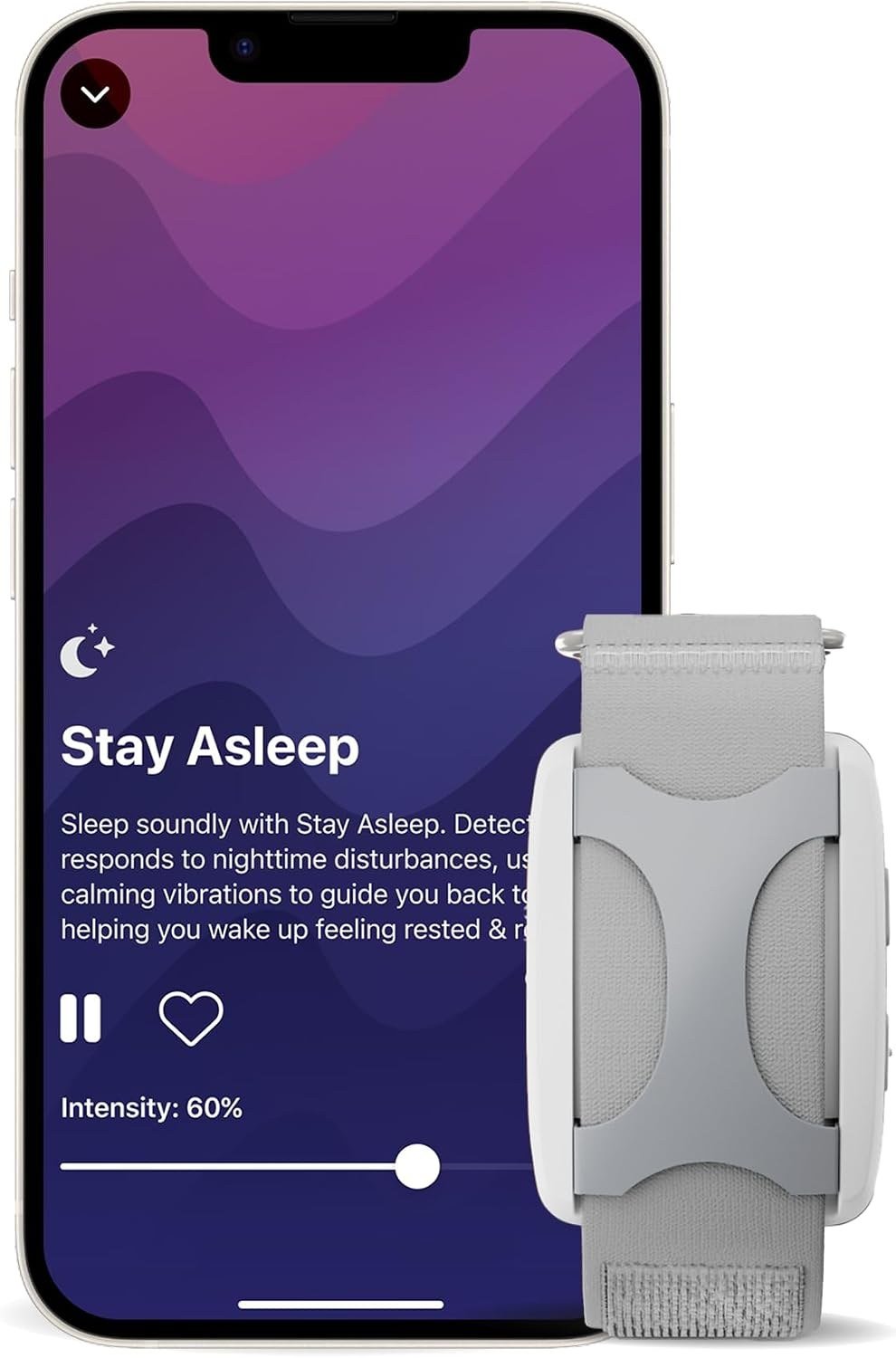
Apollo Neuro Wearable with 12-Month SmartVibes AI Membership
The Apollo Neuro is a small wearable worn on the wrist, ankle or clipped to clothing that delivers gentle vibration patterns ("Vibes") intended to feel calming or energising; this bundle includes a year of the SmartVibes AI membership that automates and personalises them. It suits people drawn to a physical, wordless cue who are comfortable charging a device and using an app. Independent evidence is thin, the company's studies are the main support, and the core vibes work without the membership.
The Placebo Effect in TikTok Sleep Trends
While we have extensively mapped the biochemical and neurological pathways that make ingredients like magnesium and tart cherry juice effective, it would be scientifically irresponsible to ignore one of the most powerful forces in human biology: the placebo effect. When evaluating viral TikTok health trends, parsing out the physiological efficacy from the psychological expectation is notoriously difficult. The Sleepy Girl Mocktail is a masterclass in the psychology of ritualistic behavior and its profound impact on subjective sleep quality. Does the drink work because of the magnesium, or does it work because millions of people believe it will?
The placebo effect is not a myth, nor is it "fake" healing; it is a highly documented neurobiological phenomenon where the brain’s expectation of a benefit triggers the release of endogenous neurotransmitters and hormones that actualize that benefit. When a user watches a beautifully edited video of someone meticulously mixing their sunset-colored drink, surrounded by soft lighting and lo-fi music, they are being primed for relaxation. The brain begins to associate the specific aesthetic, the clinking of the ice, and the tart flavor with the onset of sleep. Over time, classical conditioning takes hold. The simple act of preparing the drink signals the brain to begin down-regulating the sympathetic nervous system, entirely independent of the chemical composition of the beverage.
Furthermore, the creation of the mocktail enforces a crucial component of sleep hygiene: the transition period. Modern humans often attempt to go straight from a high-stress, dopamine-fueled activity—like scrolling through short-form video content or answering emails—directly into sleep. This abrupt shift is biologically jarring. The act of making the Sleepy Girl Mocktail forces the individual to step away from their primary stressors, engage in a low-stakes physical task in the kitchen, and perform a dedicated "wind-down" ritual. This psychological boundary between the active day and the resting night is immensely therapeutic. It provides the mind with the necessary buffer zone to begin processing the day's events, reducing the cognitive load that often leads to insomnia.
However, the danger of relying solely on the placebo effect of a viral trend is its fragility. If the mocktail is prepared inconsistently, or if the user develops a tolerance to the psychological cue, the sleep benefits will evaporate. Moreover, if the user is simultaneously violating other foundational rules of sleep hygiene—such as drinking the mocktail while staring at a bright screen emitting blue light, which actively suppresses melatonin production—the physiological harm will rapidly override the psychological placebo. A true, robust sleep architecture requires aligning the mind's expectations with biological realities. The mocktail's ritual is powerful, but it cannot permanently compensate for a dysregulated nervous system or a toxic sleep environment.
Conclusion
The Sleepy Girl Mocktail is far more than a fleeting social media aesthetic; it is a fascinating case study in how modern society is desperately attempting to biohack its way out of chronic stress. The core hypothesis underpinning the trend is biochemically sound: humans require a physiological "brake pedal" to transition from the hyper-arousal of daily life into the regenerative state of deep sleep. Magnesium, specifically in highly bioavailable forms like Magnesium Glycinate, perfectly fulfills this role by antagonizing excitatory glutamate and championing the relaxing pathways of GABA. Furthermore, the natural melatonin derived from tart cherry juice offers a legitimate, synergistic boost to the circadian rhythm.
However, the viral execution is heavily flawed. The insulin-spiking sugars and gastric-disrupting carbonation often neutralize the neurochemical benefits, transforming a sleep aid into a metabolic stressor. True rest requires a holistic, biologically rigorous approach. Whether you choose to optimize the mocktail with unsweetened ingredients and clinical-grade glycinate, or bypass ingestion entirely through advanced haptic technology that tones the vagus nerve directly, the goal remains identical: nervous system regulation. True, restorative sleep cannot be hacked with a single, sugary drink; it must be cultivated through intentional, scientifically backed practices that respect the intricate machinery of the human body.

Join the conversation
Questions and experiences are welcome. Every comment is read by a person before it appears, and your email address is never published.
No comments yet — yours would be the first.